
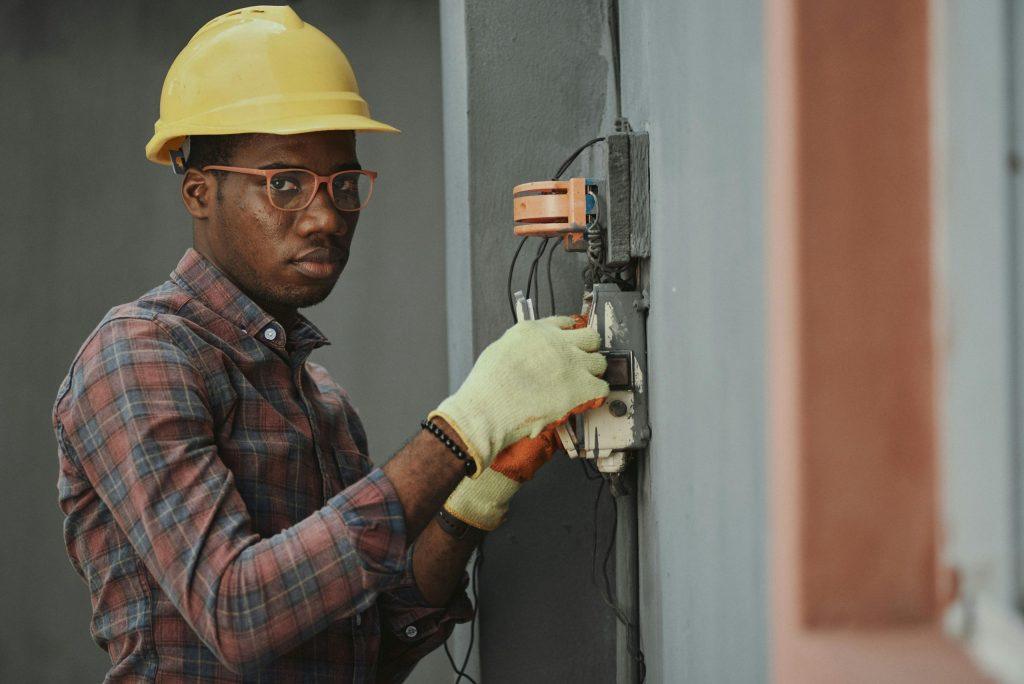
Smart meters give people a much better picture of their energy consumption, displaying when you’re actually using electricity and how that fluctuates throughout the day. You get a lot more detail than just a monthly bill and can figure out which of your habits are causing the biggest energy spikes.
Lots of people who work with energy, including energy analysts, grid planners, and those who advise on making homes more efficient, say that the easier it is to understand something, the better choices we make. When you can see your home’s energy use changing, you’ll probably shift when you do things, cut down on wasted energy, and manage your electricity usage more effectively when a lot is going on.
Why smart meters matter in everyday energy use
We tend to use electricity in pretty much the same way over and over. We cook, cool or heat the house, do laundry, turn on the lights and charge our gadgets at roughly the same times each day. Your standard electricity bill tells you how much power you’ve used in total, but it doesn’t necessarily show you when you’re using it. That’s where smart meters become valuable; they show much more clearly when the amount of energy you’re using goes up and down.
In fact, energy experts will often say the time of day is the most important thing to look at. Many families don’t realise just how much electricity they’re using during a single hour in the evening, compared to all the other hours. Smart meters make those high-use periods obvious, and that helps you make smarter decisions.
This isn’t to say you need to overhaul your life all at once. Simply having this improved information makes it easier to find and then do small changes which will make a difference.
peat.
How smart meters help households understand energy use
Smart meters collect electricity use data more frequently than older meter systems. This gives households and utilities a more detailed view of usage patterns instead of a simple total read at long intervals. The result is a clearer link between daily behavior and energy demand.
Home efficiency specialists often explain that once people see the pattern, certain habits stand out quickly. A heavily used cooling system in late afternoon, repeated partial appliance loads, or multiple devices running during the same busy hour may become easier to notice. That kind of visibility helps households understand energy use in practical terms.
In many cases, the value is not only in seeing higher use. It is also in seeing how small changes affect the overall pattern across the week.
Credit: Pixabay / Pexels
Why better timing can reduce lower electricity waste
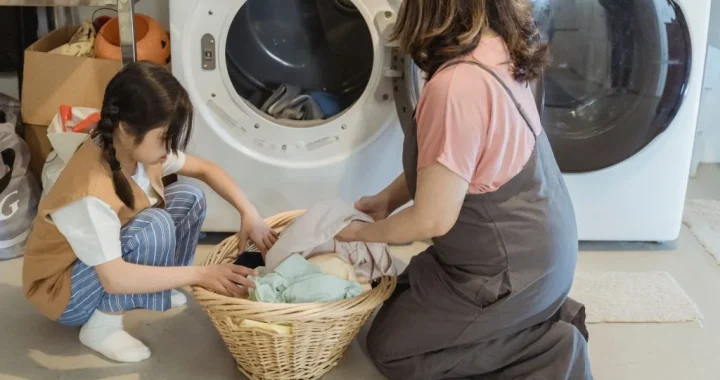
Using less electricity in total isn’t the only way to throw away less of it. When you can, it’s also about when you use the power. Smart meters can illustrate the moments of greatest electricity need, and that might lead people to do things like laundry later in the day, charge phones and tablets at a different hour, or avoid having several big appliances on simultaneously.
Those who know about the electricity grid say that getting the timing of our energy use right is good for both us as individuals and for the whole network. Lots of homes pulling a lot of electricity at the exact same time puts a strain on the grid. Smart meters show people how their timing impacts this, and you don’t have to be a techie to understand.
Because of this, smart meters are often included in plans for a more up-to-date electricity grid, and when people at home are more conscious of their use, the whole system can adapt to changes much more easily.
How smart meters support cleaner power systems
For a power system that’s environmentally friendly, it’s really important to balance how much power is being made with how much people are using. Solar and wind energy can generate a lot of electricity, yet the amount they produce goes up and down. Smart meters are a way to get a clearer picture of when each house uses electricity, and this helps with these systems.
In fact, as we get more of our electricity from green sources, being able to adjust to changes becomes more vital – as energy researchers frequently say. If people in homes know when they use the most power, they can then move some of their use around to help the whole network. Smart meters don’t magically make the power cleaner, but they allow households to be much smarter in their reactions to a cleaner energy grid.
Because of this, they’re valuable for getting the bill correct, plus for how homes are involved in energy systems that are evolving.
What experts say households often learn from smart meters
When people have more detailed information about their energy use, experts say families typically find out three helpful things. They can identify the times of day with the most power being used, and they see what specific actions cause the energy to jump up and down repeatedly. Also they realize a lot of the biggest energy drains are from habits you wouldn’t initially think of, for example, multiple things running at the same time, or the air conditioning working harder at particular points during the day.
Home energy consultants frequently say that understanding these points makes saving energy feel a lot more doable. Rather than just making assumptions about where the energy is being wasted, families can concentrate on the things they do regularly which are obviously changing the usage pattern. This makes choices about energy use feel more real and tied to what is happening each day.
Because of this, smart meters are often considered as much about changing how you act as they are about the technology itself. They take energy use that you can’t see and turn it into something much easier to grasp and control.

Credit: Andrea Piacquadio / Pexels
What smart meters cannot do on their own
Smart meters are useful, but they do not reduce waste automatically. Households still need to act on the information if they want to change results. A meter can show the pattern, but it cannot improve insulation, repair a draft, or decide when to shift appliance use.
Energy specialists often explain that the best results come when better data is paired with simple home efficiency habits. Efficient lighting, better ventilation, thoughtful cooling and heating, and more careful appliance timing all become easier to manage when households can see what their current behavior is already doing.
This means smart meters are best viewed as part of a larger energy awareness system rather than a complete solution by themselves.
Frequently Asked Questions
Q: What do smart meters do?
A: Smart meters record electricity use more frequently, which helps households and utilities see usage patterns more clearly.
Q: How do smart meters help households understand energy use?
A: They show when energy demand rises, making it easier to notice which routines create the biggest spikes.
Q: Can smart meters reduce electricity waste?
A: They can help reduce waste by giving households better information, but real improvement still depends on how that information is used.
Q: Do smart meters matter for cleaner energy systems?
A: Yes. Experts often explain that better demand awareness helps households fit more effectively into modern, flexible power systems.
Key Takeaway
Smart meters help households understand energy use more clearly by showing when demand rises and which routines shape daily electricity patterns. Experts often explain that better information can support lower electricity waste, better energy timing, and more practical home efficiency choices. Their value comes from making invisible energy use easier to read and respond to. Understanding smart meters helps show why better data matters in cleaner and more flexible power systems.