
When the heat goes on and on, the shade trees in your neighborhood become even more important. Throughout the day they change temperatures on streets, pavements, in parks, and on buildings. Because they block the sun’s direct rays, shade lowers surface temperatures and allows you to enjoy being outside on many terribly hot days.
City planners, scientists who study heat, and those in public health tell us that cooling down a specific place isn’t just about what the thermometer says. It’s about the amount of sun that hits hard surfaces, how long those surfaces hold onto the heat they absorb, and being able to get around your area comfortably.
Why neighborhood tree shade becomes more important during extended heat
A single extremely hot afternoon is annoying, but multiple days and nights of high temperatures are much more of a problem. Roads, walls, roofs, sidewalks all absorb heat and then retain it from one day to the next. And when the nights remain warm and the sun is powerfully hot during the day, parts of towns or cities can’t really cool down properly after dark.
Heat specialists explain that trees’ shade in a neighborhood is beneficial, as it prevents a great deal of sunshine from reaching these surfaces. These shaded areas are cooler throughout the afternoon and therefore don’t accumulate as much heat to be released in the evening. This can lower temperatures across an area, especially where there’s a lot of pavement.
Because of this, the cooling effect of shade trees is often more valuable during a prolonged heatwave than on a single, exceptionally hot day. They allow heat to accumulate at a slower pace over several days.
How neighborhood tree shade affects sidewalks, roads, and outdoor comfort
Patios, parking lots and roads really soak up the sun and become much hotter than shady ground. This isn’t only about appearances, but about how comfortable walking, waiting at a crossing, or just being outdoors happens to be.
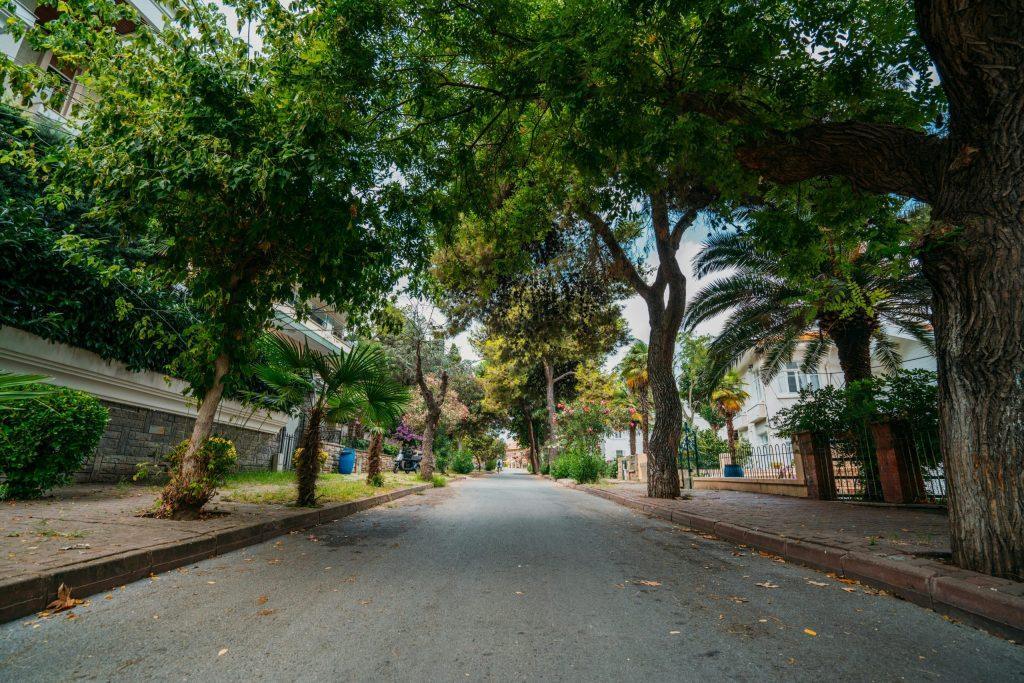
City heat researchers commonly find that streets and parks with trees are much cooler than the areas of pavement nearby, and this is true even on the very same street. Trees stop the sun from warming the surfaces under it and from warming us directly, so the heat is less intense when we are moving around.
In a neighborhood, tree shade is really important for children going to school, for older adults resting on benches or at the bus stop, in fact for absolutely anyone who needs to be out and about in intense heat.
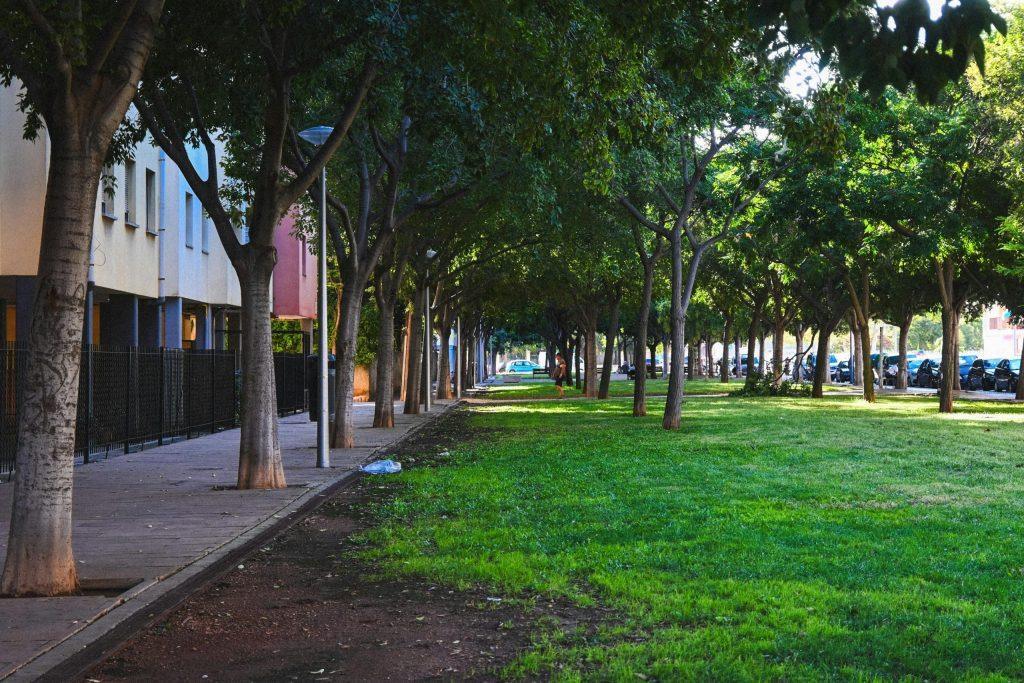
Credit: Pixabay / Pexels
Why shaded streets and parks support local cooling
Patios, parking lots and roads quickly soak up sunshine and get incredibly hot, much hotter than shaded ground. This isn’t only about appearances, but about how comfortable it is to walk, wait for a bus at a street corner, or just be outdoors.
City heat experts frequently point out that streets and parks with trees are a good deal cooler than sun-exposed areas right next to them, even on the very same street. Trees stop the sun from warming up surfaces and from warming us up, and that means the heat you feel as you move around isn’t so intense.
Tree shade is really valuable for children walking to school, for older people resting on benches or at bus shelters, and in truth for everybody who needs to be out and about in very hot weather.
How neighborhood tree shade affects homes nearby
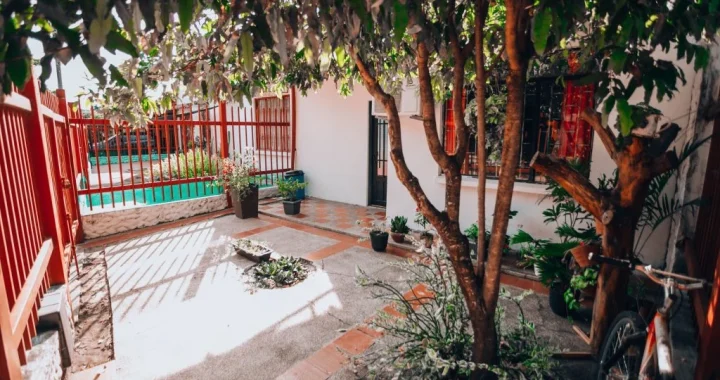
Trees aren’t just good for yards and parks; they actually affect the houses nearby. When the afternoon sun is strong, buildings, and in particular windows and exterior walls, will warm up fast. Trees growing nearby can block a lot of that direct sunshine.
A lot of people who know about home energy and being comfy at home say this will lower the temperature inside certain rooms, and make your place more pleasant. Over a long spell of hot weather, this can also take some of the strain off your air conditioning, because the heat will come into the house slower.
Good insulation and getting air moving are still important, but shade from trees in the neighborhood often helps with these by lessening the sun’s effect on a building before the heat even gets to it.
Why neighborhood tree shade matters for public health
When public health people talk about the dangers of heat, they immediately think about whether people can get relief from it. Plenty of people can’t just stay inside when it’s at its hottest and people’s homes don’t all have air conditioning or fans. That’s why having shady public places is so vital for a community to cope with hot temperatures.
The shade from trees makes walking, waiting for the bus, doing a bit of exercise or using a park much more comfortable when it’s warm. And during really long and hot spells, these shady spots can actually decrease how much heat you’re directly exposed to, and this is a surprisingly big benefit.
Areas of a city that have fewer trees are often hotter, and this is especially true where you have lots of concrete, a lot of cars and not many parks.

Credit: Pixabay / Pexels
What experts say neighborhoods should consider
Most professionals who know about trees suggest we consider how they provide shade as a vital part of the way a town or city is set up, and not just as something pretty to look at. Where the shade of the branches falls is important. Trees do the most good for people on pavements, in areas where they hang out, while they’re waiting, or where they live and near things like paving that get very hot quickly.
City planners and tree specialists commonly point out that you get the best outcome by choosing trees suitable for their location. Whether shade from them will continue to be good for you and to thrive over the years depends on the amount of room for roots to grow in the soil, how much water they need, how much care they’ll require in the future, and the typical weather in the area. A lot of shade in a neighborhood is usually down to being planned, rather than just happening.
When we have long spells of very hot weather, houses, public areas, and what people do each day are all put under a lot of strain.
Frequently Asked Questions
Q: Why does neighborhood tree shade matter during hot weather?
A: It helps reduce direct sun exposure, lowers surface heat, and makes outdoor spaces more comfortable during long hot periods.
Q: Can tree shade really cool a neighborhood?
A: Experts often explain that tree shade supports local cooling by blocking sunlight and helping reduce heat buildup on hard surfaces.
Q: Does neighborhood tree shade help homes too?
A: Yes. Trees near buildings can reduce direct sun on windows and walls, which may lower indoor heat buildup in some areas.
Q: Why are shaded streets and parks important?
A: They provide more usable outdoor space and can reduce urban heat exposure for people walking, resting, or spending time outside.
Key Takeaway
Neighborhood tree shade matters because it supports local cooling, lowers urban heat exposure, and makes streets and parks more comfortable during long hot periods. Experts often explain that shade helps both public spaces and nearby homes by reducing direct sunlight and slowing heat buildup. Its value grows when canopy cover is spread across the neighborhood rather than limited to a few isolated spots. Understanding neighborhood tree shade helps show how local environmental design can improve daily life in hot weather.