

Two places can share the same air temperature and still feel very different. A grassy yard edge may seem calmer and easier to cross, while a nearby concrete walkway feels harsher, brighter, and more tiring under the same summer sky. This difference often surprises people because the weather report gives only one temperature, and that number does not explain how the ground itself changes what the body experiences.
Climate researchers, landscape planners, and outdoor comfort specialists often explain that summer comfort depends on more than air alone. The material underfoot matters. Grass and concrete respond to sunlight in very different ways, and those differences shape how heat is stored, reflected, and felt at walking height. That is why walking on grass can feel cooler than walking on concrete even when the air temperature is exactly the same.
Why the weather report does not tell the whole story
Air temperature is important, but it is only one part of outdoor comfort. People do not move through the day floating in open air. They stand over surfaces, walk across materials, sit near walls, and pass through sunlit and shaded zones that change how heat is experienced from moment to moment. A hard bright surface can therefore make one space feel noticeably hotter than another even when the official temperature is unchanged.
Outdoor environment researchers often explain that this is why the same afternoon can feel very different across a yard, sidewalk, courtyard, or park. The air may be stable across the area, but the ground is not. Some surfaces intensify the heat people feel, while others soften it. This is especially noticeable when comparing grass with concrete because their physical behavior is so different under summer sun.
This matters because many everyday comfort decisions happen at the surface level, not in the abstract conditions reported by a forecast.
How concrete stores and gives back heat
Concrete often feels hotter because it absorbs sunlight and stores a large amount of heat during the day. Once it warms up, it does not simply sit there passively. It begins giving that heat back into the surrounding space. People feel this not only through their shoes or feet, but also through the warmth rising from the surface and the intensity of being close to it.
Building and landscape experts often note that this effect is strongest in places with long direct sun and little shade. A concrete path, driveway, courtyard, or patio may heat for hours without interruption. By afternoon, the surface itself can become part of the heat burden people experience, even before they factor in walls, reflected sun, or still air.
This is why concrete can feel harsher than the weather number suggests. The ground is no longer neutral. It has become an active heat source.
Why grass behaves differently under the same sun
Grass usually behaves differently because it is living plant cover rather than a solid hard surface. The blades themselves shade part of the soil beneath them, and the ground structure tends to be softer and less heat-dense than concrete. As a result, grassy areas often do not build and release heat in the same intense way as paved ones do.
Landscape ecologists often explain that grass also changes how sunlight interacts with the ground. The surface is uneven, plant-based, and usually more biologically active than a sealed paved area. Even when the grass is in full sun, it often produces a less punishing experience at foot level than concrete nearby. That difference may not make the area feel cool in an absolute sense, but it often makes it feel cooler by comparison.
This is one reason people instinctively step toward grassy edges during hot weather. The body responds to that softer surface environment even when no thermometer is in sight.
How the ground affects the air just above it
People do not only feel surfaces through direct contact. They also feel the air that the surface helps create. Concrete warms the air just above it more intensely than grass often does, especially during the hottest part of the day. This means a person walking over concrete is not only beside a hotter material. They are also moving through a warmer near-ground environment.
Outdoor comfort specialists often explain that the lower body is especially aware of this effect because it is closest to the surface doing the heating. A child, pet, or seated person may notice it even more strongly. By contrast, the air just above grass often feels calmer and less forcefully warmed because the surface beneath it has not become as intense.
This is why grass can feel like relief even when the official air temperature has not changed at all. The microclimate right above the ground is different.
Why reflected brightness also changes comfort
Concrete often reflects more glare and visual brightness than grass, especially when the surface is pale or fully exposed. That reflected light can make a place feel more severe, even before the body interprets the heat physically. Grass usually produces a softer visual environment, and that often contributes to a calmer sense of place during warm weather.
Urban climate advisers often note that comfort is partly sensory and partly thermal. Harsh brightness, reflected glare, and radiant warmth often arrive together on paved surfaces, which is why concrete areas can feel exhausting in a way that grassy ones do not. Grass does not remove summer heat, but it often reduces the sharpness of several discomfort signals at once.
This helps explain why people describe some spaces as “hotter” even when the air is technically the same. The ground changes the total experience.
Where this difference matters most in daily life
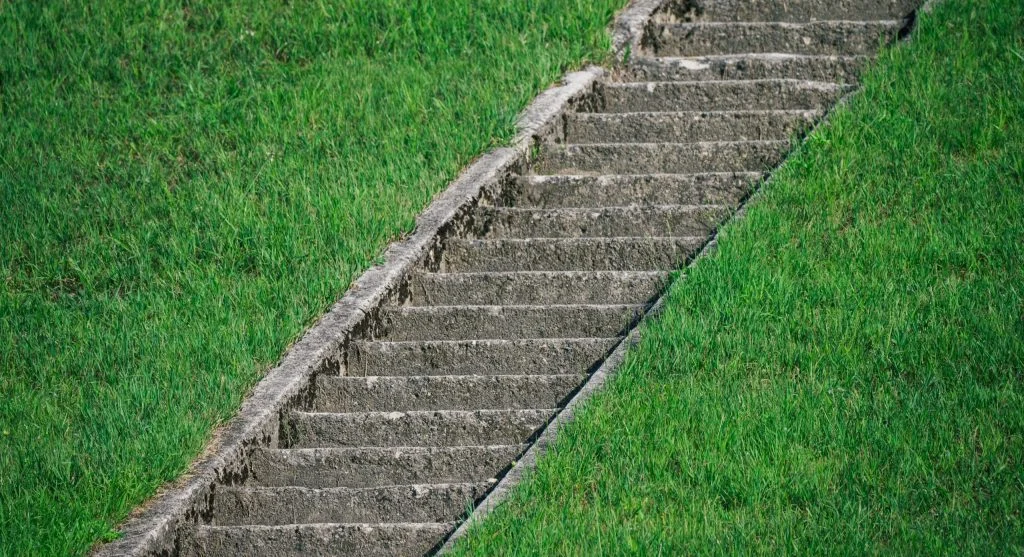
This difference matters most in places people cross repeatedly or use for even short pauses. Front paths, schoolyards, patios, sidewalks, park edges, playground routes, and backyard sitting areas are strong examples. If most of the usable space is paved, the whole area may feel harder to occupy in summer. If grass or planted ground breaks up that hard surface, the outdoor experience often becomes less severe.
Landscape planners often explain that comfort is often built from these repeated short moments. A person carrying groceries across hot paving feels the surface. A child waiting near a walkway feels it. Someone stepping from a shaded lawn onto bright concrete notices the contrast immediately. These are small daily experiences, but together they shape how livable a place feels in hot weather.
This is why surface choices matter so much. They influence comfort in ordinary spaces long before people think about larger climate design ideas.
What experts recommend households notice first
Experts usually recommend comparing how different surfaces feel at the same hour rather than relying only on general impressions. If a grassy patch seems easier to stand on, if the air over a paved area feels heavier, or if a concrete path stays unpleasant well into the afternoon, those are useful signs that the surface is shaping local comfort in a strong way.
They also suggest noticing where people naturally prefer to walk or pause during hot weather. Those choices often reveal surface comfort better than temperature talk does. If people keep moving toward the grass, hugging the planted edge, or avoiding the middle of a paved area, the reason is often physical rather than accidental.
These observations matter because they help households understand that local heat is not distributed evenly, even across a small yard or walkway.
Why this fits practical local heat awareness
Practical local heat awareness begins with noticing how ordinary surfaces change the feel of everyday places. Walking on grass can feel cooler than walking on concrete not because grass creates cold air, but because it often stores and gives back less intense heat while creating a softer ground-level environment. That difference matters in real life, especially during summer afternoons when people are most sensitive to what the ground is adding to the day.
Climate and landscape specialists often explain that better outdoor comfort often begins with simple comparisons like this one. Once people understand how different surfaces behave, it becomes easier to see why some parts of a neighborhood feel more punishing than others and why even small patches of living ground can matter.
That is why walking on grass can feel cooler than walking on concrete even when the air temperature is the same. The body is not only measuring the sky above. It is responding to the surface below and the heat that surface is sending back.
Frequently Asked Questions
Q: Why does grass feel cooler than concrete in summer?
A: Grass often feels cooler because it usually does not store and release heat as intensely as concrete under the same sunlight.
Q: Can two surfaces feel different even when the air temperature is the same?
A: Yes. Experts often explain that surface heat changes the air and comfort right above the ground, even when the wider air temperature stays unchanged.
Q: Why does concrete feel so harsh in hot weather?
A: Concrete often absorbs strong sunlight, stores heat for hours, and gives that heat back into the surrounding area.
Q: Does grass completely remove summer heat?
A: No. Grass can still be warm, but it often creates a less intense surface environment than concrete nearby.
Key Takeaway
Walking on grass can feel cooler than walking on concrete even when the air temperature is the same because the two surfaces handle sunlight and stored heat very differently. Experts often explain that comfort at ground level depends on what the surface is doing, not only on what the weather report says. Grass usually creates a softer, less heat-intense experience than concrete nearby. Understanding this difference helps explain why small patches of living ground can matter so much in everyday summer comfort.