
Opening windows at the wrong time can make summer rooms feel hotter because outside air does not always help a home cool down. Many households assume that fresh air is always the better choice, but experts often explain that timing matters. If outdoor air is already hotter than indoor air, open windows may bring in extra warmth instead of relief.
Building advisers, climate specialists, and indoor comfort researchers often note that window habits affect more than ventilation alone. They shape how heat moves through the home, how quickly rooms recover after hot afternoons, and whether air feels fresher or heavier. This is why opening windows at the wrong time can quietly make summer comfort harder to manage.
Why opening windows at the wrong time matters in summer
In warm weather, homes are constantly exchanging heat with the outdoors. Walls warm up, sunlight enters through windows, and surfaces inside the house collect heat through the day. At certain hours, a window can help release some of that buildup. At other hours, the same window can bring in air that adds even more warmth.
Building specialists often explain that the problem is not the window itself. The problem is the timing of the airflow. A household may open windows in the late morning or afternoon because the room feels stuffy, yet those hours may also be when outdoor air is hottest. In that case, the room can become less comfortable even though more air is moving through it.
This matters because many homes rely on windows as a first response to heat. If that response happens at the wrong hour, the room may feel hotter rather than calmer.
How opening windows at the wrong time can make summer rooms feel hotter
Opening windows at the wrong time can make summer rooms feel hotter by letting warm outdoor air flow directly into indoor spaces that were still cooler than the outside environment. Once that warmer air enters, it can raise the indoor temperature, warm surfaces, and weaken the cooler feeling the room had earlier.
Indoor climate researchers often note that this effect is especially noticeable in rooms that already receive strong sunlight. If a room is gaining heat from the sun and also pulling in warmer outdoor air, the combined effect can make discomfort build faster. What seemed like a simple attempt to freshen the room may actually increase the total heat load.
This is why indoor airflow timing matters. Fresh air feels helpful only when it is also supporting cooler conditions rather than competing with them.

Why outdoor air is not always cooling air
People often think of outdoor air as naturally cooling, but in summer that is not always true. Outdoor air only helps cool a room if it is actually cooler or more comfortable than the air already inside. During hot afternoons, the outside may feel breezy and still be too warm to help the room recover.
Climate experts often explain that a moving breeze can create the impression of relief without truly lowering indoor heat. The body may briefly enjoy the sensation near the window, but the room itself may still be taking in warmer air overall. That difference between personal sensation and room-level cooling is one reason window timing can be misunderstood.
This is why the question is not simply whether air is moving. The real question is whether the incoming air is helping the room cool or adding to its heat.
How sunlight and window timing work together
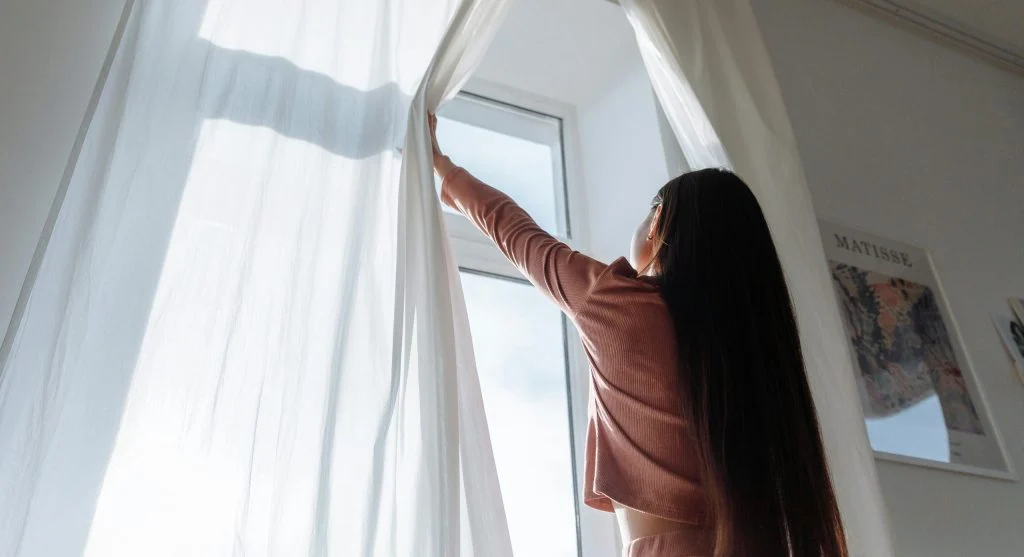
Sunlight and window timing often reinforce each other in ways that make heat worse. A room with open windows during the hottest hours may also be the same room receiving strong direct sun. If curtains are open, the room may be taking in both solar heat and warmer outdoor air at the same time.
Home comfort advisers often explain that this double effect is one reason some rooms become difficult by afternoon. A window that would help in early morning or late evening may do the opposite in full daytime heat. Without shading or good timing, the room may keep warming from several directions at once.
This is why window use works best when paired with an awareness of sun exposure. A window strategy without sun awareness often misses half the comfort problem.
Why opening windows at the wrong time affects upstairs rooms even more
Upstairs rooms often feel the effect more strongly because they already collect extra heat from rising warm air and rooftop exposure. If those rooms are opened to hot outdoor air during the wrong time of day, the added warmth may build quickly and linger for hours. Bedrooms and upper home offices are often where this problem becomes easiest to notice.
Building researchers often point out that upper rooms often depend on cooler evening or early morning air to recover. If warm midday air enters instead, the room may begin the evening from a much hotter starting point. This can affect both afternoon use and how comfortable the room feels later at night.
That is why window timing often matters even more on upper floors than on lower ones. The margin for extra heat is already smaller there.
What experts recommend households notice first
Experts usually recommend noticing which hours actually bring relief and which hours seem to make rooms feel heavier. If a room becomes hotter after the window is opened, or if the air feels fresher but the room itself keeps warming, those are useful clues that the timing may be wrong. The answer often changes by room, by weather pattern, and by sun exposure.
Indoor comfort specialists also suggest comparing morning and evening air with midday conditions. In many homes, windows are most useful during the coolest practical hours rather than throughout the whole day. Once outdoor air becomes warmer than indoor air, open windows may stop helping and start working against comfort.
This kind of observation matters because each home responds differently. The strongest routine is usually the one based on how the house actually behaves, not on a general assumption that open windows always improve summer comfort.
Why opening windows at the wrong time is a practical comfort issue
Opening windows at the wrong time is not a minor mistake because it affects the exact daily period when households are trying hardest to stay comfortable. A room that gains avoidable heat in the afternoon may need more fan use, stronger cooling later, or more evening recovery before it feels livable again. That change may begin with one simple window decision made at the wrong hour.
Climate and housing experts often explain that practical summer comfort depends on timing as much as equipment. Curtains, fans, doors, and windows all work differently depending on when they are used. Window habits are a strong example because they can either help a room release heat or quietly invite more heat in.
Understanding why opening windows at the wrong time makes summer rooms feel hotter helps households use airflow more carefully. The best cooling choice is not always more outside air. Sometimes it is choosing the right outside air at the right hour.
Frequently Asked Questions
Q: Why can opening windows make a room hotter in summer?
A: It can make a room hotter if the outside air is warmer than the indoor air and enters during the hottest part of the day.
Q: Is fresh air always helpful in warm weather?
A: No. Experts often explain that fresh air helps most when it also supports cooler indoor conditions, not when it brings extra heat inside.
Q: Which rooms are most affected by poor window timing?
A: Sunlit rooms and upstairs rooms often feel the effect most because they already collect more heat during the day.
Q: When are windows usually most helpful in summer?
A: In many homes, windows help most during the cooler practical hours, such as early morning or later evening, when outdoor air is more supportive of comfort.
Key Takeaway
Opening windows at the wrong time can make summer rooms feel hotter because warm outside air may add to indoor heat instead of reducing it. Experts often explain that home comfort in warm weather depends on airflow timing, sun exposure, and how quickly a room is already gaining heat. The same window can help at one hour and hurt at another. Understanding why opening windows at the wrong time matters helps households use natural airflow more effectively during summer.