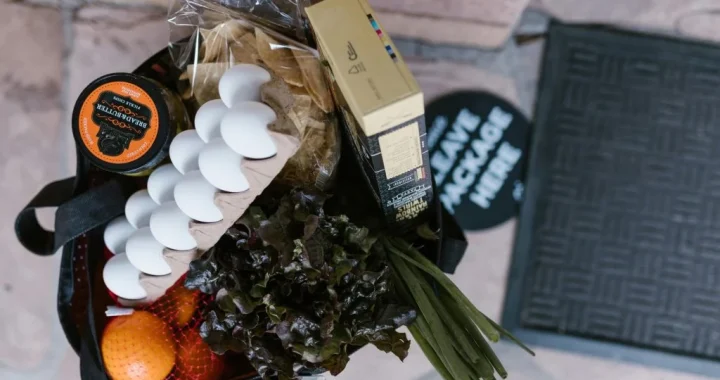


A kitchen reuse drawer can reduce packaging waste because many throwaway items are used only because they are faster to grab in the moment. Twist ties, rubber bands, clean jars, reusable clips, cloths, food wraps, and spare containers may already exist in the home, but they often stay scattered across several cupboards. When people cannot find them quickly, they often choose disposable options instead.
Waste reduction educators, home organization specialists, and behavior researchers often explain that lower-waste kitchen habits depend heavily on convenience. A kitchen reuse drawer works because it creates one easy place for small reusable storage items that would otherwise be forgotten. That simple visibility can change daily decisions around food storage, lunch packing, and kitchen cleanup.
Why a kitchen reuse drawer matters in daily kitchen routines
Most kitchen waste happens during busy moments. Someone opens a snack bag, stores half a vegetable, wraps leftover bread, packs lunch, or ties a produce bag closed. These are quick tasks, and the household usually chooses whatever tool is easiest to reach at that exact moment. If reusable supplies are spread across the kitchen, they may not feel practical enough to use regularly.
Home behavior experts often explain that a kitchen reuse drawer matters because it gathers these small tools into one reliable location. Instead of asking people to remember where every clip, jar lid, cloth wrap, or rubber band is stored, the drawer gives the routine one clear answer. That reduces friction and makes reuse much more likely during ordinary daily activity.
This matters because the smallest kitchen choices repeat the most often. A better system for those moments can have a steady long-term effect on waste.
How a kitchen reuse drawer helps reduce packaging waste
A kitchen reuse drawer helps reduce packaging waste by making reusable alternatives easier to choose than fresh disposable materials. If clips, washable wraps, containers, and saved ties are available in seconds, people are more likely to reuse what they already have rather than reaching for new plastic bags, foil, or single-use wraps.
Waste specialists often note that packaging waste grows through repetition rather than size alone. One extra bag or one extra sheet of wrap may seem unimportant, but repeated across a week, these items add up quickly. A kitchen reuse drawer changes this pattern by turning reuse into the faster option more often.
This is why the drawer works best as a daily system, not a storage trick. Its value comes from repeated use across many small kitchen tasks that would otherwise create steady packaging waste.
Why reusable storage items often go unused
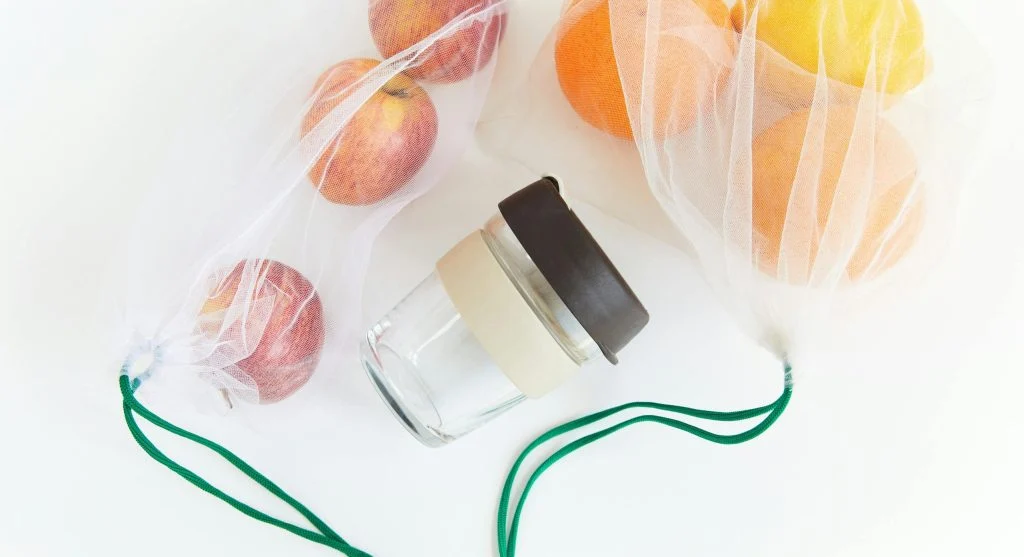
Reusable storage items often go unused for one simple reason: they are not where the action happens. A clean jar may be in a pantry cupboard, clips may be in a utility drawer, and reusable wraps may be stacked in the back of another cabinet. Even a well-meaning household may fall back on disposable materials if reusable tools take too long to locate.
Organization specialists often explain that good items alone do not create good habits. Placement matters just as much. A kitchen reuse drawer helps because it moves useful items into a shared location that matches food storage and cleanup activity. Once the items are visible and grouped, people are more likely to treat them as normal kitchen tools instead of backup supplies.
This is one reason many lower-waste habits fail quietly. The intention is present, but the system is too scattered to support quick real-world use.
How a reuse drawer supports lower-waste kitchen habits
Lower-waste kitchen habits grow stronger when the household stops treating reuse as a special effort. A reuse drawer supports that shift by making reusable tools feel ordinary and expected. Closing a bag with a saved clip, covering a bowl with a washable wrap, or reusing a small container becomes part of normal kitchen movement rather than an extra step.
Behavior researchers often explain that habit strength depends on repetition with low friction. If the drawer is easy to open, easy to scan, and stocked with frequently useful items, the household begins using it without needing to think much about the decision. That is when a lower-waste system starts lasting.
This matters because the goal is not occasional improvement. The goal is creating a kitchen that quietly supports better choices every day.
Why a simple system often works better than a larger one
Some households try to save every jar, every lid, or every small reusable item, but a large uncontrolled system can quickly become confusing. A reuse drawer usually works best when it holds the most practical and most frequently useful items, not everything that could possibly be reused. Too much variety can make the drawer hard to read and slow to use.
Waste educators often recommend choosing only the tools that solve real repeated problems. Bag clips, clean rubber bands, small containers, cloth wraps, produce ties, and a few carefully selected jars often do more good than a large mixed collection of uncertain objects. The stronger system is usually the one people can scan in seconds.
This is why a simple kitchen reuse drawer often works better than a larger storage bin. It stays focused on daily usefulness rather than abstract possibility.
What experts recommend keeping in a kitchen reuse drawer
Experts usually recommend stocking the drawer with only the items the household reaches for often. These may include reusable bag clips, clean saved twist ties, rubber bands, washable wraps, spare lids for active containers, small storage jars, and other compact items that help with everyday food storage and packing.
Home organization advisers also suggest reviewing the drawer regularly so it stays useful and uncluttered. Broken pieces, duplicates with no clear purpose, or items that are never chosen can make the drawer less effective. The best kitchen reuse drawer stays practical enough to guide fast daily decisions.
The strongest setup is not the one that saves the most objects. It is the one that helps the household actually use more of what it already has.
Why a kitchen reuse drawer fits practical lower-waste living
Practical lower-waste living often depends on making better choices easier than throwaway ones. A kitchen reuse drawer fits that idea because it supports reuse at the exact point where packaging waste often begins. It does not ask the household to become perfect. It only gives useful tools a fair chance to be chosen.
Waste reduction researchers often explain that successful home systems are usually quiet and repeatable. A drawer full of the right tools, placed in the right part of the kitchen, can reduce disposable use through ordinary routine rather than constant effort. That is often how meaningful waste reduction happens over time.
That is why a kitchen reuse drawer can cut everyday packaging waste more than people expect. It makes reuse easier when the decision is still small, fast, and manageable.
Frequently Asked Questions
Q: What is a kitchen reuse drawer?
A: A kitchen reuse drawer is a dedicated drawer for small reusable storage items such as clips, wraps, rubber bands, and containers used in daily food storage.
Q: Why does a kitchen reuse drawer reduce packaging waste?
A: It reduces waste by making reusable storage tools easier to grab than new disposable packaging during quick kitchen tasks.
Q: What should households keep in a reuse drawer?
A: Experts often recommend practical items such as reusable clips, washable wraps, clean saved ties, and small frequently used storage tools.
Q: Should the drawer hold every reusable item in the kitchen?
A: Usually no. A smaller focused set of useful items often works better than a crowded drawer that slows decisions.
Key Takeaway
A kitchen reuse drawer helps reduce packaging waste by making reusable storage items easier to see and easier to use during fast daily kitchen tasks. Experts often explain that lower-waste kitchen habits depend on convenience as much as good intention. A simple focused drawer gives reuse a clear place in the routine. Understanding the value of a kitchen reuse drawer helps households build a more practical and less wasteful kitchen system over time.