
A use-first shelf can help households waste less food because it gives older ingredients, leftovers, and short-life items one clear place to stay visible. In many kitchens, food is not lost because nobody wanted it. It is lost because it became hard to see, easy to forget, and less likely to be chosen during a busy day.
Food waste researchers, kitchen organization specialists, and home cooking educators often explain that visibility is one of the strongest parts of practical food management. When a use-first shelf is part of the refrigerator routine, the food most likely to be wasted becomes easier to notice before its quality declines.
Why a use-first shelf matters in everyday kitchen life
Most households open the refrigerator many times a day, but they do not study it carefully each time. People glance quickly while making breakfast, packing lunches, choosing snacks, or deciding what to cook for dinner. In those moments, they usually choose what is easiest to see and easiest to understand at once.
Kitchen behavior experts often explain that this is why a use-first shelf matters. It creates one visible area where food needing earlier attention is gathered together instead of disappearing across different drawers and containers. That simple arrangement often changes what gets eaten first.
This matters because refrigerators often hide small food losses in plain sight. A little cooked rice, a half-used sauce, a cut vegetable, or yesterday’s leftovers may all remain edible, yet still go unused when they are scattered through the fridge.
How a use-first shelf helps families waste less food
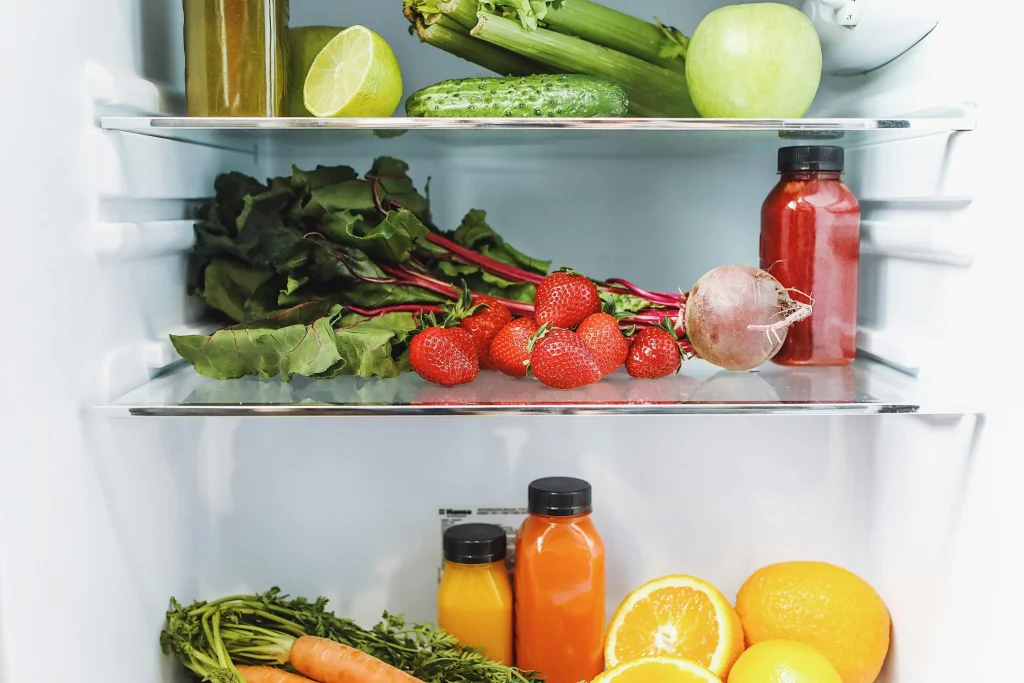
A use-first shelf helps families waste less food by creating a clear decision point. Instead of asking, “What should be used soon?” each time the fridge opens, the answer is already there in one visible place. Foods that are older, opened, or more delicate can be kept together so they become the first options for meals and snacks.
Waste reduction specialists often note that households lose food in small amounts more often than in dramatic ways. A small bowl of pasta, part of a cucumber, one container of soup, or a few soft berries may not look like much on their own. Yet these small items add up quickly when they are repeatedly overlooked.
This is why a use-first shelf works so well. It helps move those small items back into daily attention before they become avoidable waste.
Credit: Andrea Piacquadio / Pexels
Why families often forget short-life foods first
Short-life foods are often the first to be forgotten because they compete with newer, more appealing groceries. Fresh produce, opened dairy items, cut fruit, leftovers, and meal components often have a shorter useful window, yet they can be pushed behind newer purchases that look more exciting or feel easier to plan around.
Food storage educators often explain that forgetting happens through ordinary behavior, not carelessness. A parent may buy new groceries with good plans for the week, then unintentionally cover older foods or move them to less visible places. Once that happens, the likelihood of using those foods drops quickly.
This is one reason the use-first shelf helps so much. It protects the foods most likely to disappear from attention and gives them a clear priority in the kitchen.
How a use-first shelf supports better fridge visibility
Better fridge visibility often matters more than detailed tracking systems. A household does not always need labels on everything or a full inventory of what is inside. In many cases, it only needs one shelf where the most time-sensitive foods are grouped clearly and kept easy to reach.
Home organization specialists often point out that better fridge visibility reduces the need for memory alone. Instead of trying to remember that there is half a container of soup somewhere in the back, the household sees it where it belongs. This makes daily meal decisions simpler and often more accurate.
That is why a use-first shelf is often more practical than a more complicated system. It works with how people actually look into the refrigerator during busy routines.
Why a use-first shelf helps with leftovers too
Leftovers often become waste not because they are unwanted, but because they lose their place in the weekly food system. Once stored, they can drift into the background while newer meals and ingredients take attention. A use-first shelf helps solve that problem by giving leftovers a visible and predictable location.
Home cooking educators often explain that leftovers are more likely to be used when they feel like part of the next meal plan rather than random containers in the fridge. If the shelf clearly says, in effect, “use these next,” it becomes easier to turn leftover food into lunch, a side dish, or part of dinner before quality drops.
This helps families waste less food because it turns leftovers from forgotten storage into an active part of the meal routine.
Credit: RDNE Stock project / Pexels
What experts recommend putting on a use-first shelf
Experts usually recommend placing the shortest-life and most easily forgotten foods on the use-first shelf. This often includes leftovers, cut fruits and vegetables, opened dairy products, cooked grains, prepared meal ingredients, and any item that should be used within a few days. The exact mix depends on the household, but the principle stays simple: place the most urgent foods where they will be seen first.
Food waste educators also suggest keeping the shelf easy to read. Overcrowding can weaken the whole idea by turning the shelf into another cluttered space. Clear containers, modest grouping, and a regular quick check help the system stay useful without becoming complicated.
The best shelf is not the most decorative one. It is the one that clearly tells the household what needs attention soon.
Why a use-first shelf fits practical meal planning
Practical meal planning often works better when it includes one small system that responds to weekly change. A use-first shelf does this well because it gives the household a quick answer to one important question: what should be used before anything else? That answer can guide lunches, side dishes, quick snacks, and flexible dinners.
Food planning researchers often explain that homes waste less food when storage and planning work together. A use-first shelf creates that connection without requiring a lot of extra effort. It turns the refrigerator into a more active part of the meal system instead of a passive storage box.
That is why a simple use-first shelf often helps more than people expect. It supports better fridge visibility, helps families waste less food, and strengthens a practical kitchen routine that can keep working week after week.
Frequently Asked Questions
Q: What is a use-first shelf?
A: A use-first shelf is a designated refrigerator shelf for older, opened, or shorter-life foods that should be eaten sooner.
Q: Why does a use-first shelf help families waste less food?
A: It makes time-sensitive food easier to see, which helps the household choose it before it is forgotten or spoils.
Q: What foods should go on a use-first shelf?
A: Experts often recommend leftovers, cut produce, opened dairy items, cooked grains, and other foods that need earlier use.
Q: Does a use-first shelf need labels or a complicated system?
A: Not necessarily. In many homes, one clearly chosen shelf with easy visibility is enough to improve the routine.
Key Takeaway
A use-first shelf helps families waste less food because it keeps older and shorter-life items visible where they can be chosen sooner. Experts often explain that better fridge visibility is one of the most practical ways to reduce quiet food loss in busy homes. The habit is simple, but it supports a stronger kitchen routine every day. Understanding the value of a use-first shelf helps households build a more organized and lower-waste refrigerator system.