
Food scrap separation can make household waste much easier to manage because food waste behaves very differently from dry trash, paper, and packaging. It creates odor quickly, adds moisture to bins, and can contaminate recyclable materials when everything is mixed together.
Waste reduction educators, municipal recycling advisers, and home organization specialists often point out that separating food scraps early simplifies the entire routine. Instead of treating kitchen waste as one mixed stream, households can handle wet and dry waste in ways that suit each type better.
Why food scrap separation matters in everyday kitchen life
Kitchens produce waste constantly fruit peels, coffee grounds, leftovers, tea bags, eggshells, and vegetable scraps. When all of this goes into a single bin along with paper and packaging, the result is often a wet, heavy, and harder-to-manage mix.
Waste system experts often explain that separating food scraps improves the condition of everything else. Dry trash stays drier, recyclables are less likely to be stained, and the main bin is easier to handle and clean. Even before reducing total waste, this change can make daily routines feel simpler.
That’s why food scrap separation is often seen as a practical adjustment, not just an environmental goal. It improves how waste behaves inside the home.
How food scrap separation supports household waste sorting
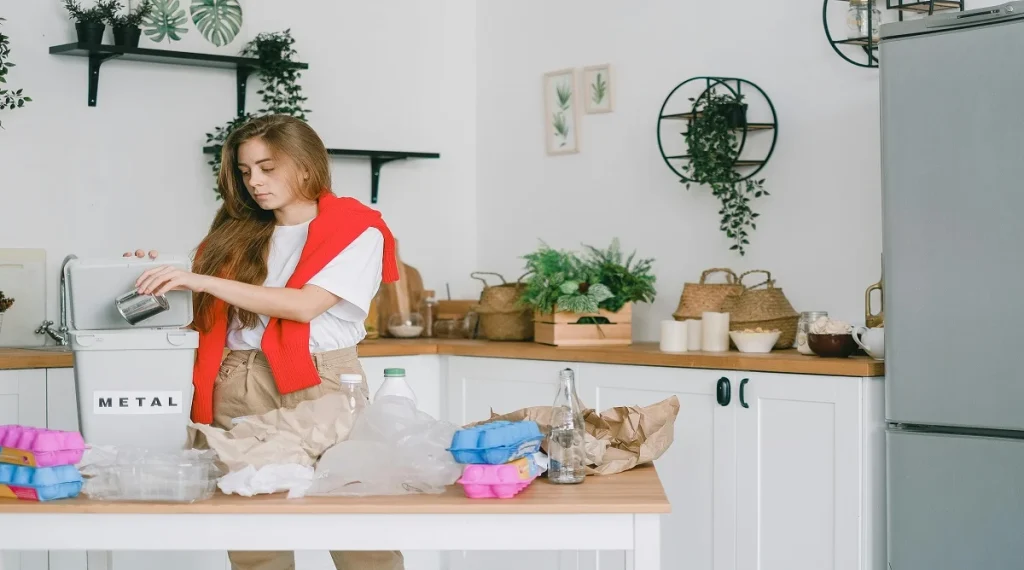
Sorting waste becomes much easier when categories are clear. Food scraps often create problems because they stick to surfaces, soak into paper, and make sorting feel unpleasant. Once they are placed in a separate container, the rest of the waste stream becomes more manageable.
Recycling specialists often note that many sorting issues begin when wet and dry waste are mixed. A cardboard box with food residue, a container left unwashed in a messy bin, or paper touching wet scraps can quickly lower material quality. Separating food scraps reduces this problem by isolating the wettest material first.
This usually leads to better sorting overall, since people no longer have to deal with a mixed, messy bin. The system becomes clearer, cleaner, and easier to maintain.
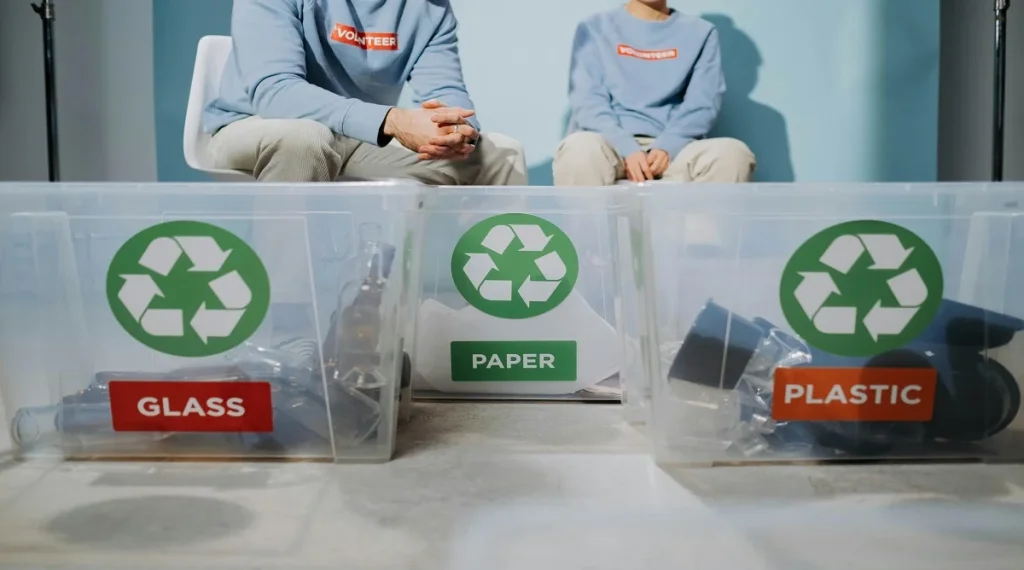
Credit: cottonbro studio / Pexels
Why food scraps create odor and clutter faster than dry waste
Food scraps change quickly. Moisture, warmth, and time all affect how they break down and how they smell. When they sit in a general kitchen bin, they often become the main source of odor and make the bin feel full sooner than expected. Even a small amount of food waste can affect the entire container.
Home organization experts often explain that separating food scraps helps by keeping the wettest material in a smaller, easier-to-manage container. That container can be emptied more frequently without needing to empty the entire trash bin. This makes the routine more flexible and easier to maintain.
It also improves overall cleanliness. A main bin that holds mostly dry materials is usually easier to line, clean, and keep in good condition than one that regularly fills with mixed food waste.
How food scrap separation can reduce trash contamination
One of the main benefits of separating food scraps is reducing contamination in the rest of the waste. Paper, containers, and packaging stay cleaner when they aren’t mixed with food residue. Cleaner materials are easier to sort and more likely to be useful in later processing.
Waste management specialists often explain that food scraps cause problems not just because of how much there is, but because of what they come into contact with. A small amount of liquid or soft waste can spread through a bag and affect many other items. Once that happens, sorting becomes more difficult and less reliable.
Separating food scraps helps prevent that spread at the source. It’s a simple way to protect other materials before they become harder to handle.
What experts recommend for a practical kitchen waste routine
Experts often suggest using a small, visible container for daily food scraps placed near the main food prep area. The goal is to make the habit easy enough that everyone in the household follows it without thinking. If the container is hidden or inconvenient, it’s less likely to be used consistently.
Waste educators also recommend being clear about what counts as food scraps. Some households may separate only basic kitchen waste, while others include items like coffee grounds, used paper towels from food prep, or compostable materials depending on local options. Clarity tends to matter more than complexity.
In most cases, the simplest system works best. A small container that’s emptied regularly is usually more effective than a larger one that sits too long and becomes unpleasant.
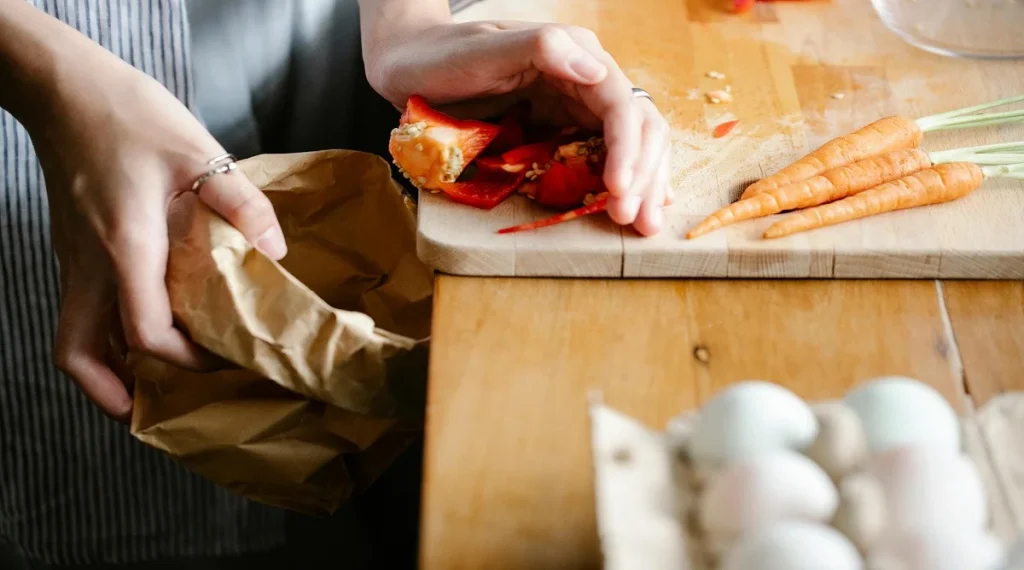
Credit: Sarah Chai / Pexels
Frequently Asked Questions
Q: Why does food scrap separation help household waste sorting?
A: It keeps wet waste away from dry materials, which makes sorting cleaner and reduces mistakes caused by contamination.
Q: Does food scrap separation reduce odor in the main trash bin?
A: Yes. Experts often explain that separating food scraps helps keep the main bin drier and less likely to smell strongly.
Q: Do households need a large system for food scrap separation?
A: No. A small visible container near the food prep area is often enough to start a simple routine.
Q: Can food scrap separation help reduce waste overall?
A: Yes. It often improves awareness of how much food is being discarded, which can support better shopping and storage habits.
Key Takeaway