
Lots of things people believe about recycling aren’t actually true, and while they don’t seem to be a big deal, they can actually reduce how well recycling works in your town. If people aren’t sure what can go in the recycling bin, more of the recycling gets messed up with things that shouldn’t be there and then more of it gets thrown out at the recycling facility.
People who work in trash and recycling, city recycling leaders, and people who study ‘stuff going round and round’ (the circular economy) all say recycling is most successful when everyone at home follows the simple recycling directions for their area. Simply wanting to recycle isn’t enough to avoid contamination or pointless work, so having accurate details is important.
Recycling myths often begin with oversimplified advice
Lots of things people believe about recycling aren’t actually true, and while they don’t seem to be a big deal, they can actually reduce how well recycling works in your town. If people aren’t sure what can go in the recycling bin, more of the recycling gets messed up with things that shouldn’t be there and then more of it gets thrown out at the recycling facility.
People who work in trash and recycling, city recycling leaders, and people who study ‘stuff going round and round’ (the circular economy) all say recycling is most successful when everyone at home follows the simple recycling directions for their area. Simply wanting to recycle isn’t enough to avoid contamination or pointless work, so having accurate details is important.
Myth 1: Every plastic item belongs in recycling
This is one of the most common recycling myths. Plastic packaging comes in many forms, and local systems may only accept certain types. Flexible wraps, black plastic, foam containers, and mixed-material packaging are often harder to recycle.
Waste sorting teams say that placing the wrong plastic in the bin can slow processing and increase contamination. Households usually get better results by checking local guidance rather than assuming all plastic is accepted.
Myth 2: Dirty containers are fine because machines will clean them
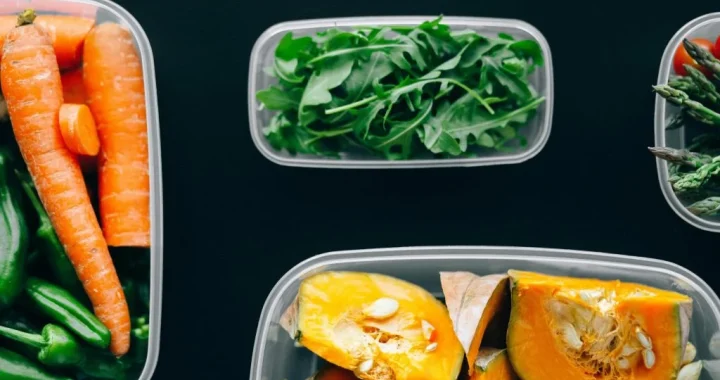
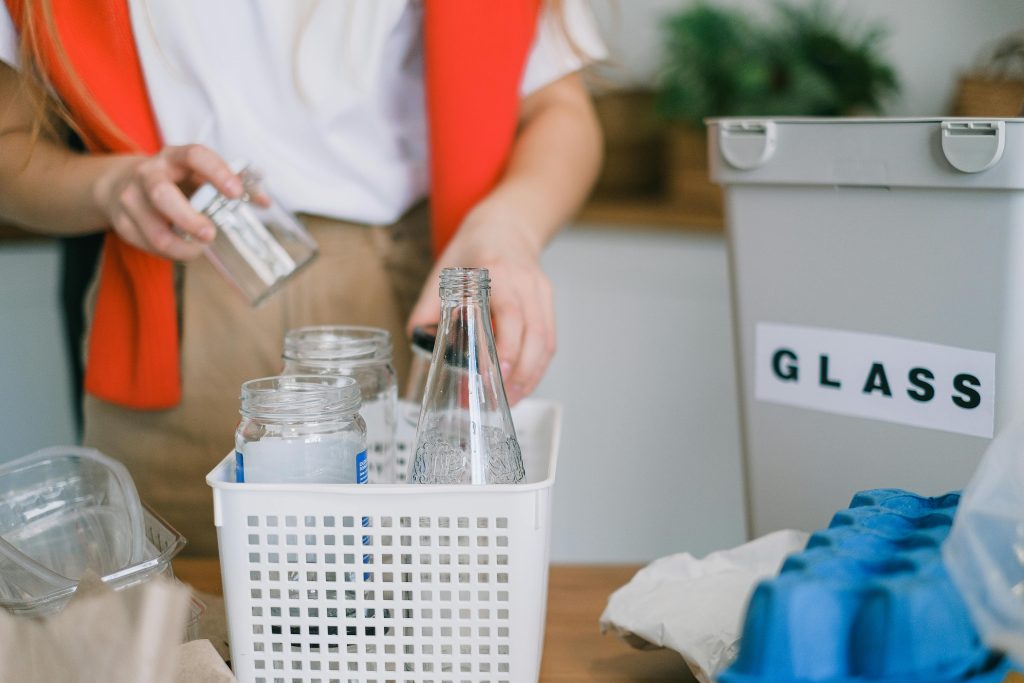
Your containers don’t have to be perfectly clean, but they do need to be empty and fairly tidy. Food stuck to paper or cardboard makes those things much harder to recycle, and it’s a magnet for bugs when they are being collected and kept before recycling. In fact, lots of recycling gets thrown out because of stuff that shouldn’t be in it. Usually a fast wash is all that’s required. Most of the people who know about this recommend getting rid of any remaining food or liquids, instead of putting really dirty containers with the recycling.
Credit: SHVETS production/ pexels
Myth 3: Small items are easy to recycle
Tiny items such as bottle caps, shredded paper, and very small plastic pieces may fall through sorting machinery. Even if the material itself seems recyclable, the size can make recovery difficult.
Materials recovery specialists often recommend checking local rules for caps, lids, and small metal pieces. In many systems, size matters nearly as much as material type.
Myth 4: If something has a recycling symbol, it will be recycled
The recycling symbol often causes confusion. It may identify a material type, not guarantee local recyclability. This is one of the most misleading recycling myths because it creates false confidence.
Packaging experts explain that labels can refer to resin types or general material categories. The real question is whether the local system accepts and processes that item. The symbol alone is not enough.
Myth 5: Wish-cycling helps
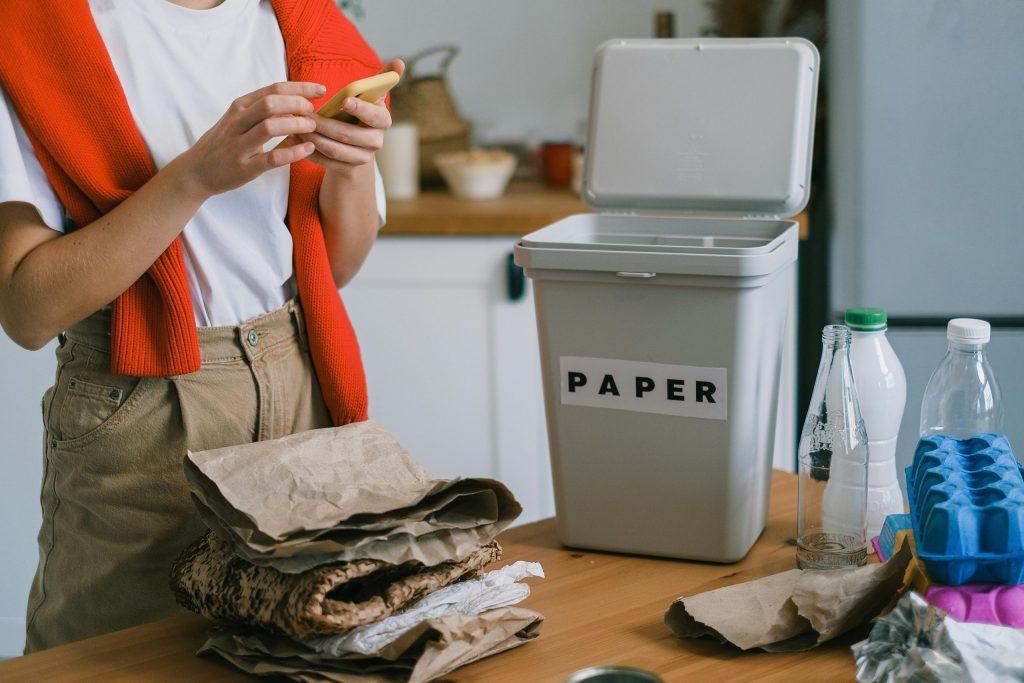
Wish-cycling happens when people place doubtful items in the bin and hope they can be recycled. This usually makes sorting harder. Contaminated loads may cost more to handle and can lower the value of collected materials.
Municipal waste programs often advise households to leave uncertain items out unless local guidance clearly says yes. In most cases, accurate sorting helps more than hopeful guessing.
Myth 6: Recycling matters more than reducing waste
Recycling is useful, but circular economy basics start higher up the chain. Reduce and reuse often have a bigger effect because they avoid waste before it exists. Refillable containers, longer product life, and repair habits lower material demand at the start.
Circular systems experts often explain that recycling should be one part of a wider strategy. Households create better outcomes when they buy thoughtfully, use items longer, and recycle only what local systems can manage well.

Credit: SHVETS production/ pexels
Myth 7: Paper and cardboard are always safe to recycle
Paper and cardboard are often accepted, but not when they are soaked with food, grease, or other contamination. Pizza boxes, greasy wrappers, and wet paper products may not be suitable for standard recycling streams.
Fiber recovery experts say clean, dry paper has the best chance of being turned into new products. Once fiber is heavily contaminated, quality drops and recovery becomes harder.
Myth 8: One household does not make a difference
It’s easy to get out of good routines, yet how well your local recycling works relies on lots of people doing a few things right. If a lot of homes carefully separate their recycling, then there’s less stuff that shouldn’t be there and it’s much quicker to deal with.
People who work in reducing waste are always telling us that doing things the same way every day is what’s important. One recycling container doesn’t hold much, but when everyone in the area does this over and over, the whole system gets a good outcome.
Frequently Asked Questions
Q: What is wish-cycling?
A: Wish-cycling means putting doubtful items into recycling and hoping they can be processed. It often increases contamination and makes sorting harder.
Q: Why are dirty containers a problem for recycling?
A: Food and liquid residue can damage nearby paper or cardboard and reduce the quality of collected materials.
Q: Are recycling rules the same everywhere?
A: No. Local recycling programs vary based on equipment, contracts, and material markets, so households should always follow area-specific guidance.
Key Takeaway
When people believe things that aren’t true about recycling, it often means things get mixed with recyclables that shouldn’t be there, people aren’t sure what to do, and all the recycling attempts are for nothing. Recycling works much better if you’re careful about separating things, the materials are clean, and you don’t put things in the bin hoping they’ll be recycled (that’s “wish-cycling”). And those in the know point out that cutting down on how much we use and finding new ways to use things are equally important for solving the problem. Knowing what’s incorrect about recycling means people at home can be far more correct, and need to do a lot less estimating, with their trash.