
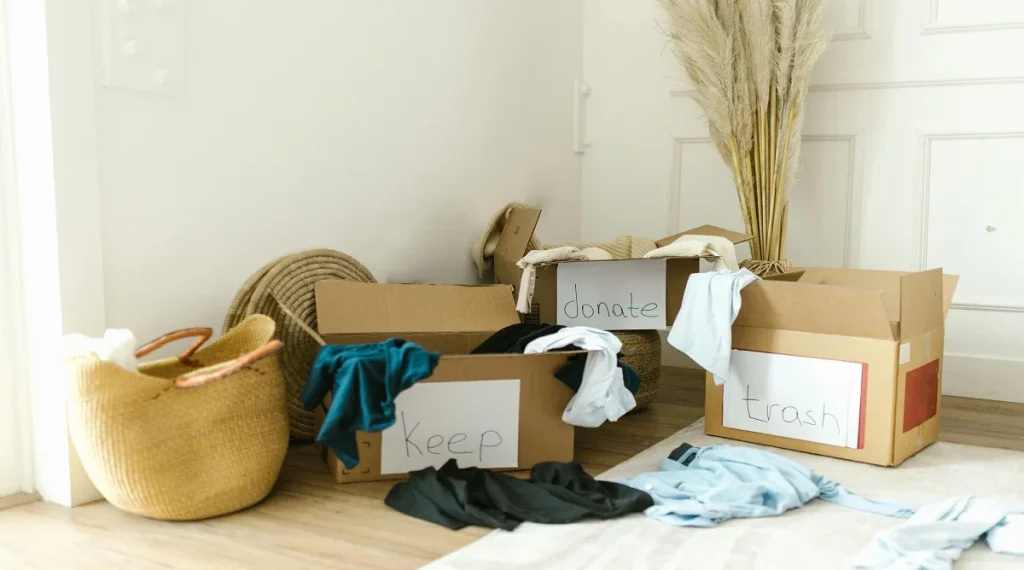
Using what you already own often has a bigger impact than buying something new, because waste doesn’t only come from what gets thrown away. It also comes from items that enter the home but never get fully used. Many people try to live more sustainably by choosing newer, “better” options, but experts often point out that a more practical first step is simply making full use of what’s already there.
Waste reduction educators, home organization specialists, and circular living researchers often emphasize that sustainable habits usually begin with better use of existing resources. Finishing a pantry item before buying another, using a notebook to the last page, or refilling a cleaning bottle instead of replacing it may seem small, but these actions steadily reduce household waste in realistic ways.
Why using up what you already own matters in daily life
Most homes already contain more useful items than people realize. Pantry goods, partially used products under the sink, reusable containers, clothing, and everyday household items still in good condition all represent value that’s already been created and brought into the home. When these are overlooked in favor of new purchases, waste begins before anything is even thrown away.
Household waste experts often explain that using what you already own slows this cycle. Instead of adding new items while older ones sit unused, the focus shifts to getting full value from what’s already there. This reduces duplication and makes daily routines simpler and more intentional.
It also improves decision-making. When households get into the habit of checking what they have before buying more, shopping tends to become more practical and less wasteful.
How using up what you already own helps lower household waste
Reducing waste often comes down to closing small gaps in purchasing habits. Bringing in new items before finishing older ones can lead to clutter, duplication, expiration, or eventually disposal. This pattern shows up across categories—food, toiletries, paper goods, office supplies, and cleaning products.
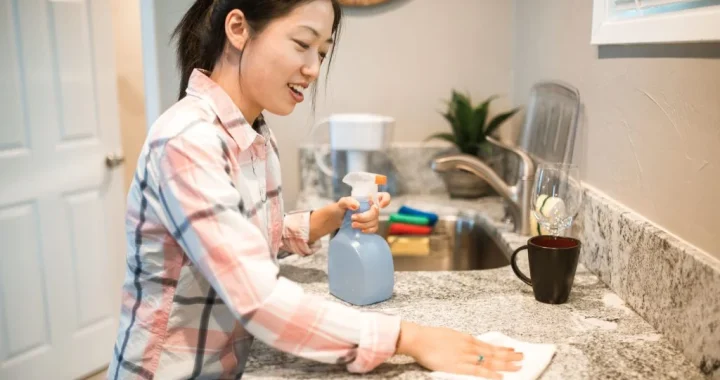
Waste reduction specialists often note that the issue isn’t always obvious overconsumption. More often, it’s a quiet pattern of unfinished use. One extra bottle of cleaner may not seem like much, but several half-used bottles can quickly create more clutter and waste than expected.
Using what you already own helps break that pattern by making completion part of the routine. Households that finish items before replacing them tend to be easier to manage and less likely to throw things away later because they were forgotten.
Credit: Sarah Chai / Pexels
Why buying new is not always the most sustainable first move
Many products are marketed as greener, cleaner, or more efficient, which can make replacing what you already have feel like progress. Sometimes an upgrade does make sense, but experts often caution that buying new isn’t automatically the best first step if the current item still works or can be used fully.
Circular economy researchers often explain that sustainability isn’t just about product labels—it’s also about timing. Replacing something too early can create unnecessary waste, especially when the existing item still has value left. This applies to everyday things like containers, tools, clothing, small household goods, and packaged products.
That’s why practical sustainability often starts with a simple question: is there still useful value in what I already have? If the answer is yes, using it more fully is often the better choice.
How this habit improves food, cleaning, and storage routines
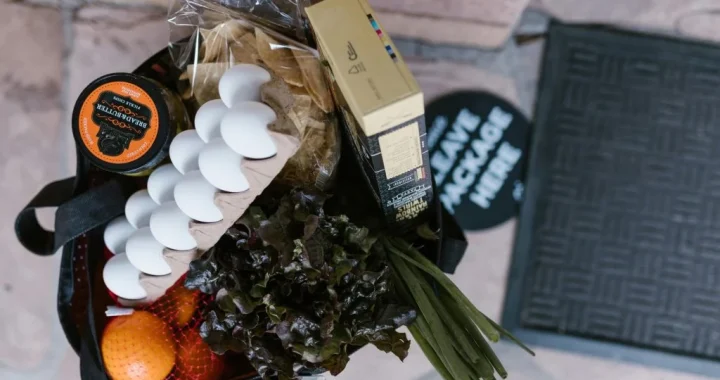
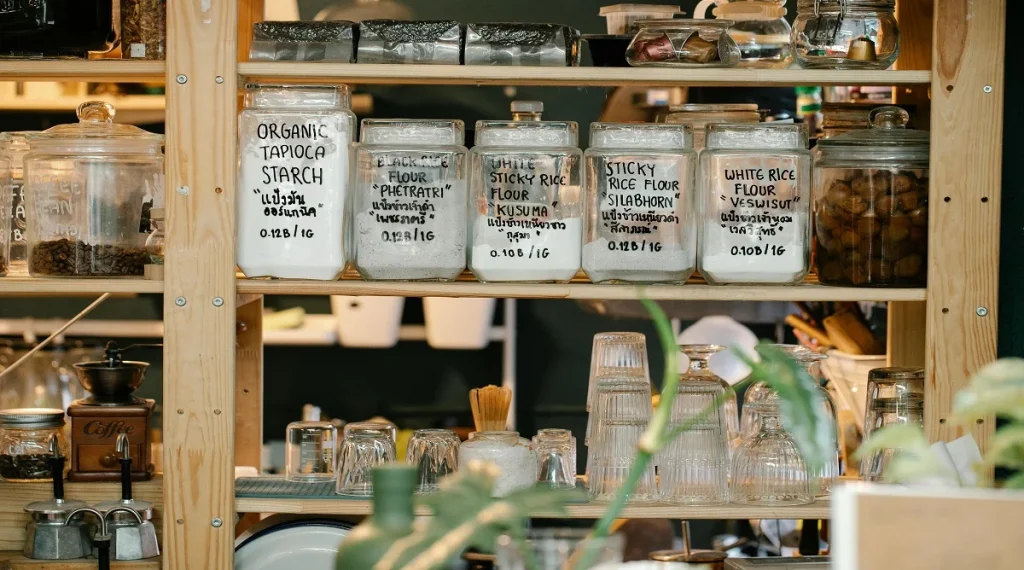
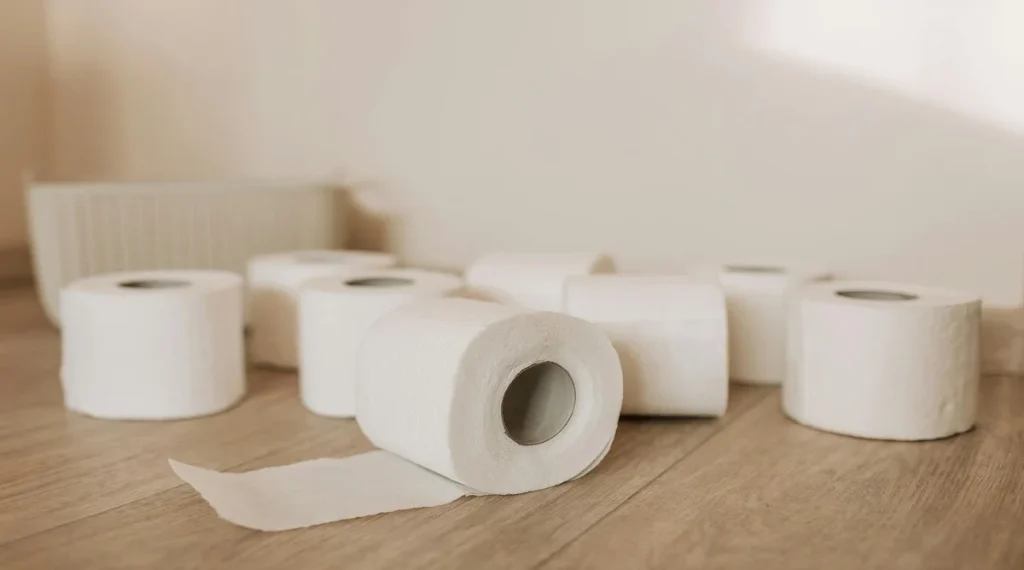
This approach is especially helpful in areas where buying happens frequently, like food and cleaning supplies. Pantry items, condiments, sprays, soaps, paper goods, and laundry products can build up quietly. When several partially used versions are in the home at once, it becomes harder to keep track of what should be used first.
Home organization specialists often suggest a simple “first-in-view” approach. Keep older or opened items visible, make partially used products easy to reach, and avoid placing new replacements in front before finishing what’s already there. This makes it less likely that something will expire or be forgotten.
These routines work because they make completion easier. When it’s clear what needs to be used first, reducing waste becomes a natural part of daily habits.
Why awareness matters more than strict rules
Experts often emphasize that this habit doesn’t need to be rigid. It’s not about avoiding every new purchase or forcing every item to be used to the last possible drop. What matters most is awareness. When people pay attention to what they already have, they’re more likely to use it well before bringing in more.
Behavior researchers often note that awareness quietly shifts routines. Once people get into the habit of checking shelves, drawers, or supplies first, unnecessary buying tends to decrease on its own. That’s part of what makes the habit sustainable it’s based on observation, not restriction.
Using what you already own becomes easier when the home is set up for visibility and simple choices, rather than trying to enforce perfect control.
Credit: Cottonbro Studio / Pexels
What experts recommend for building this habit
Experts often suggest starting small, focusing on one area of the home where unfinished items tend to collect. For some, that’s the pantry. For others, it might be the bathroom, laundry space, or cleaning supplies. Taking a quick look at what’s already open, partly used, or duplicated can reveal patterns right away.
Waste educators also recommend holding off on replacement purchases until they’re actually needed, instead of buying early “just in case.” This doesn’t mean avoiding all backups, but it does mean paying attention to repeated duplication and reducing it where possible.
This habit works best when it becomes part of everyday routines. When using up what’s already there feels natural, it’s much easier to maintain and more likely to reduce waste over time.
Why this approach supports practical sustainability habits
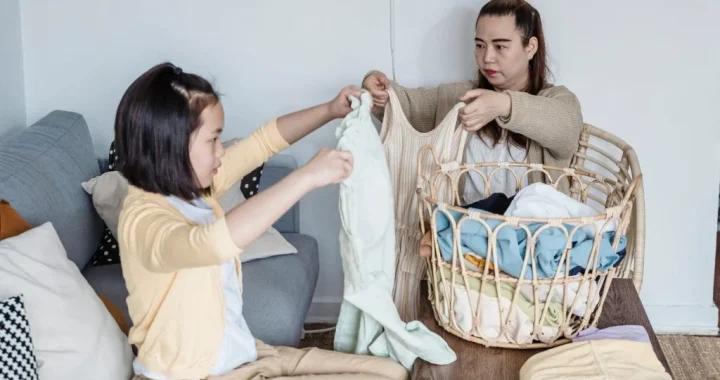
Sustainable habits tend to last when they make daily life easier. Using existing items more fully helps reduce clutter, makes shopping more accurate, and lowers the number of half-used or expired products that eventually get thrown away. It simplifies the home while cutting down on waste.
Experts often point out that this approach works earlier in the process than recycling, repair, or disposal. It prevents waste before it happens by slowing the flow of new items into the home until older ones are truly used up.
That’s why using what you already own often matters more than buying something new. It’s one of the simplest ways to bring sustainability into everyday life in a practical, lasting way.
Frequently Asked Questions
Q: Why does using up what you already own reduce waste?
A: It reduces duplication, prevents unfinished products from being forgotten, and lowers the number of items thrown away before they are fully used.
Q: Is buying greener products always the best first step?
A: Not always. Experts often explain that the current item may still have useful value, so finishing it first can be the more practical option.
Q: What household areas should people check first?
A: Pantries, bathroom shelves, cleaning supplies, laundry products, and storage drawers often reveal the clearest patterns of unfinished use.
Q: Does this habit need strict rules to work?
A: No. It usually works best through better awareness, visibility, and more intentional replacement timing rather than strict control.
Key Takeaway