
Using daylight more effectively can help households reduce home energy use because lighting is part of everyday life in every room. Many homes turn on lights out of habit, even when natural light is already sufficient for routine tasks. Small changes in how daylight is used can improve comfort while cutting down on unnecessary electricity use.
Building advisers, home efficiency specialists, and indoor environment researchers often explain that natural light influences more than just brightness. It affects how rooms feel, when lights are switched on, and how well spaces function throughout the day. That’s why making better use of daylight is often considered one of the simplest and most practical energy-saving habits a household can adopt.
Why using daylight better matters in daily home life
Most households follow similar patterns in how they use different rooms. Kitchens are active in the morning, living areas see more use later in the day, and workspaces, hallways, and bedrooms need light at different times. When electric lighting is used too early or too often, these small daily habits can quietly increase energy use more than expected.
Home efficiency experts often point out that using daylight well helps align lighting with actual need. A room doesn’t have to feel dark to avoid turning on a light. In many homes, closed curtains, blocked windows, or furniture placement limit the natural light that’s already available.
This means higher lighting use is not always due to a lack of windows, but rather how the home is set up to make use of daylight.
How using daylight better can lower home energy use
Lowering home energy use often comes down to small, repeatable choices rather than major upgrades. Turning lights on later in the morning, opening blinds in the right rooms, and placing daytime activities closer to windows can all reduce electricity use over time. Each change may seem minor, but together they can have a noticeable impact.
Energy researchers often highlight that lighting habits matter because they are both easy to repeat and easy to overlook. A light left on for just a few extra hours each day may not seem important, but over weeks and months, the added energy use becomes significant.
Using daylight more effectively helps by replacing unnecessary lighting with a resource the home already has. The benefit is strongest when these habits become part of the daily routine rather than something done occasionally.
Why window habits change indoor natural light more than expected
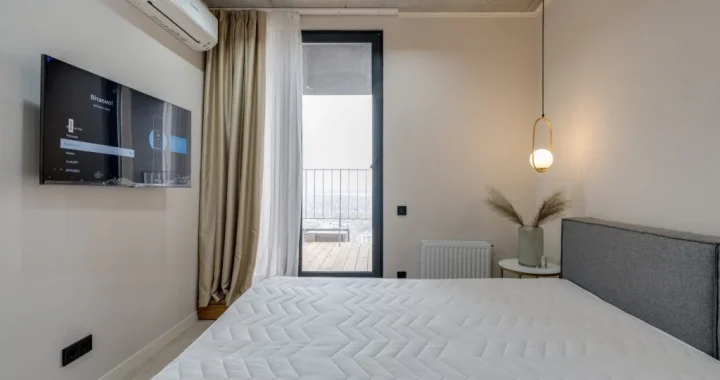
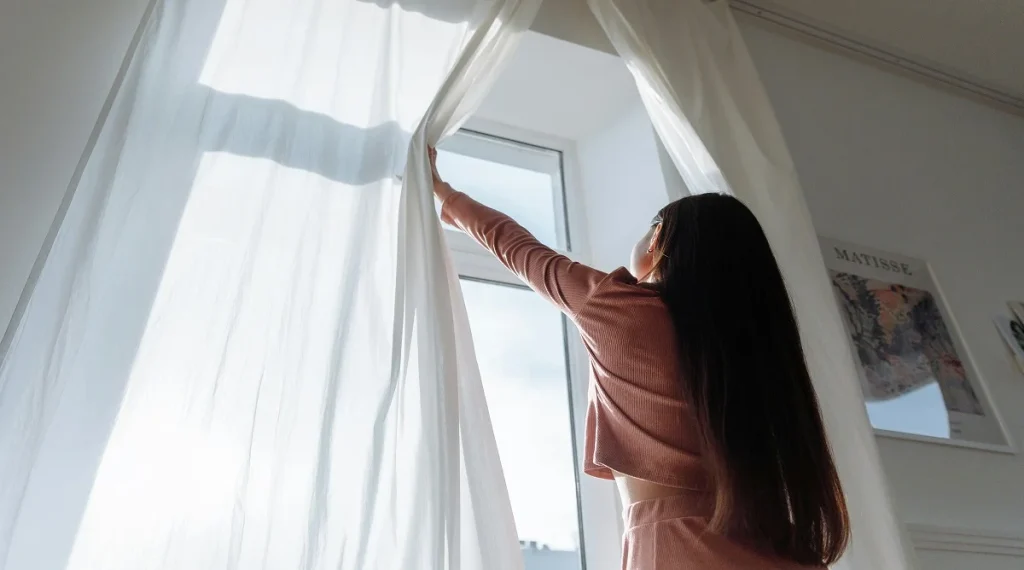
Indoor natural light is often shaped by simple window habits. Closed blinds, heavy curtains, dusty glass, and blocked window areas can all limit how much light actually reaches a room. In many homes, a space that feels dim is not lacking daylight it’s just not making full use of what’s already available.
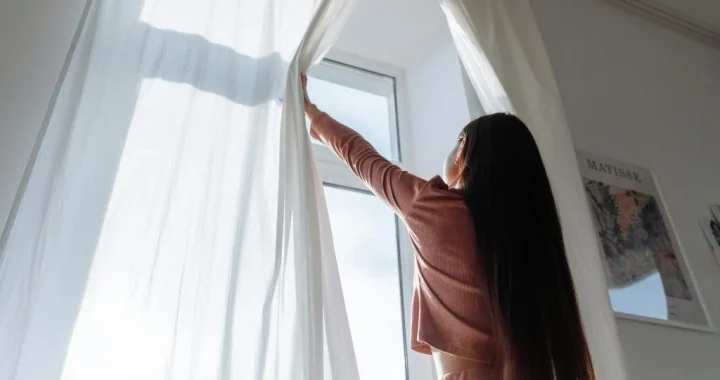
Indoor environment specialists often point out that small changes in how windows are managed can noticeably affect how usable a room feels during the day. Opening coverings at the right time, keeping window areas clear, and allowing light to reach the parts of the room where daily activities happen can make a space more functional without turning on lights too early.
This is why daylight use is often as much about layout as it is about lighting. The same room can feel very different depending on how the window area is used.
How using daylight better supports comfort as well as efficiency
Natural light doesn’t just reduce energy use it also improves comfort. A well-lit room often feels more open and easier to use for reading, cooking, organizing, and moving around. Balanced daylight can reduce visual strain compared to relying on a single lamp during the day, which can influence how long people delay switching on artificial lights.
Building advisers often note that comfort improves when glare is managed properly. The goal isn’t to fill a room with harsh direct sunlight, but to make good use of steady, balanced light where it’s most useful. In many homes, filtered daylight works better than full shade or intense direct exposure.
This balance is important because a room that feels too bright or uncomfortable may lead people to close everything and turn on lights earlier. Effective daylight use depends on comfort just as much as access.
Why room layout affects simple energy saving habits
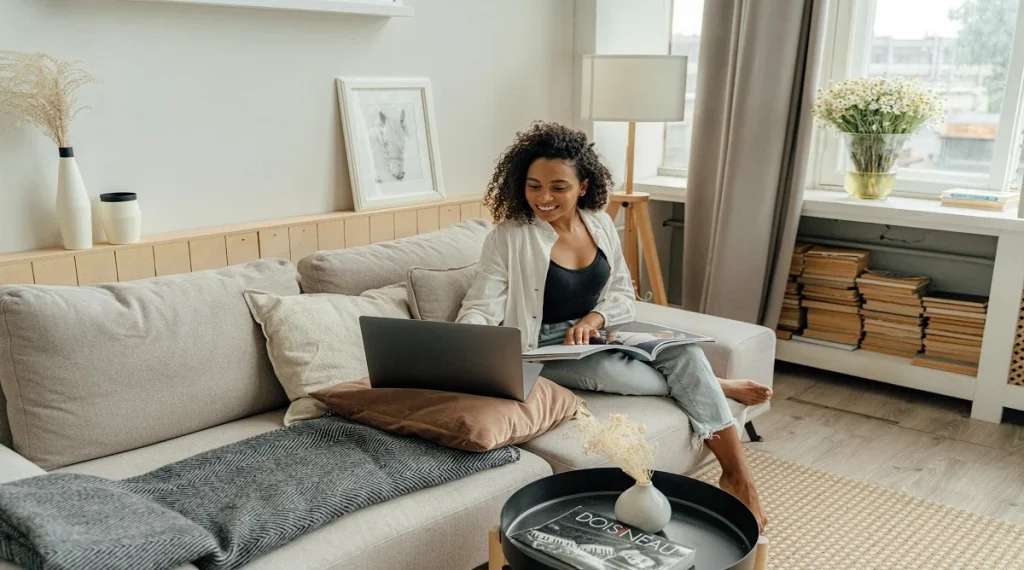
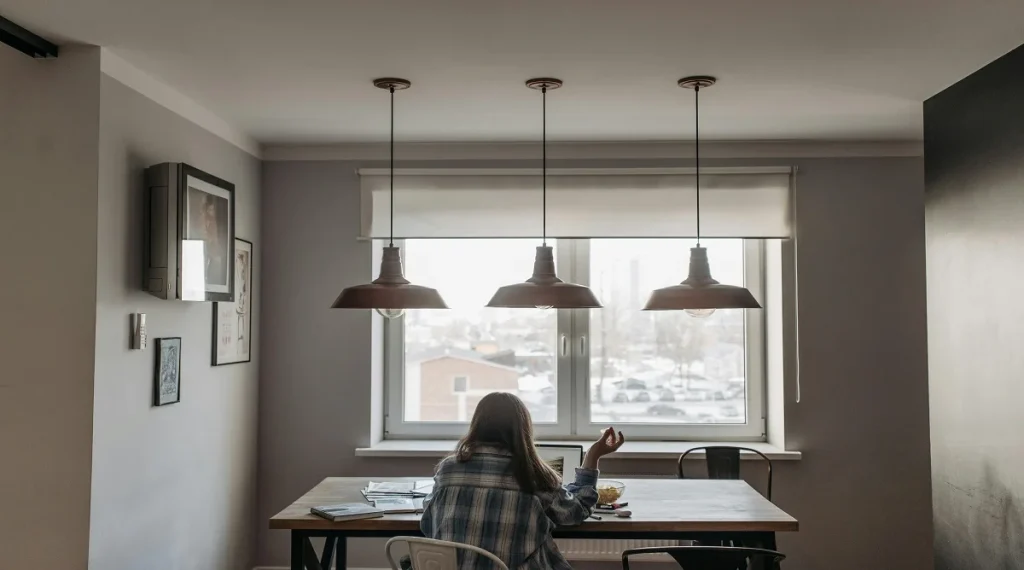
Room layout plays a major role in whether daylight is actually useful. If a desk, dining table, or reading spot is placed far from a window, people are more likely to rely on lamps sooner. If storage blocks light flow or darker furniture absorbs brightness, a room can feel dimmer than it really is.
Home organization and design experts often explain that simple energy-saving habits work best when the space supports them. Moving frequently used activities closer to a window can reduce the need for artificial lighting without any technical changes. Clearing window areas or using lighter surfaces in darker corners can have a similar effect.
These adjustments don’t need to be dramatic. The real benefit comes from making better use of the brightest parts of the room during daylight hours.
Credit: Pavel Danilyuk / Pexels
What experts recommend for using daylight better at home
Experts often suggest starting with the rooms used most during daylight hours. Kitchens, dining areas, living spaces, and home work areas usually offer the clearest opportunities. A helpful first step is noticing which lights are switched on out of habit rather than real need.
Home efficiency advisers also recommend matching daylight use to the time of day. Morning light may be strongest on one side of the home, while afternoon activities may work better in a different space. Paying attention to these patterns helps households make better use of available light before turning on switches.
Using daylight more effectively does not require major changes. It typically begins with awareness, access to windows, and small layout adjustments that make natural light more useful during everyday routines.
Why using daylight better fits sustainable home living
Sustainable home living often works best through habits that are simple to repeat and immediately useful. Using daylight more effectively fits this approach because it reduces unnecessary energy use without making the home less comfortable. It also helps people better understand how their spaces change throughout the day, which can improve overall comfort.
Efficiency researchers often note that the most lasting improvements are usually the simplest ones. A small habit that reduces repeated electricity use can have more impact over time than a one-time change that is difficult to maintain. Daylight use is a strong example because it connects awareness, comfort, and lower home energy use in a practical way.
That is why using daylight better often matters more than people expect. It turns natural light into a reliable daily resource that supports both comfort and efficiency.
Frequently Asked Questions
Q: Why does using daylight better lower home energy use?
A: It reduces unnecessary lighting hours by helping households rely more on natural light during the day.
Q: What is the easiest way to use daylight better at home?
A: A useful first step is opening blinds or curtains in the most-used rooms and noticing which lights are being switched on by habit.
Q: Does room layout really affect natural light use?
A: Yes. Experts often explain that furniture placement and blocked windows can make a room feel dimmer than it actually needs to be.
Q: Is using daylight better only about saving electricity?
A: No. It can also improve indoor comfort, make rooms feel easier to use, and support more practical daytime routines.
Key Takeaway