

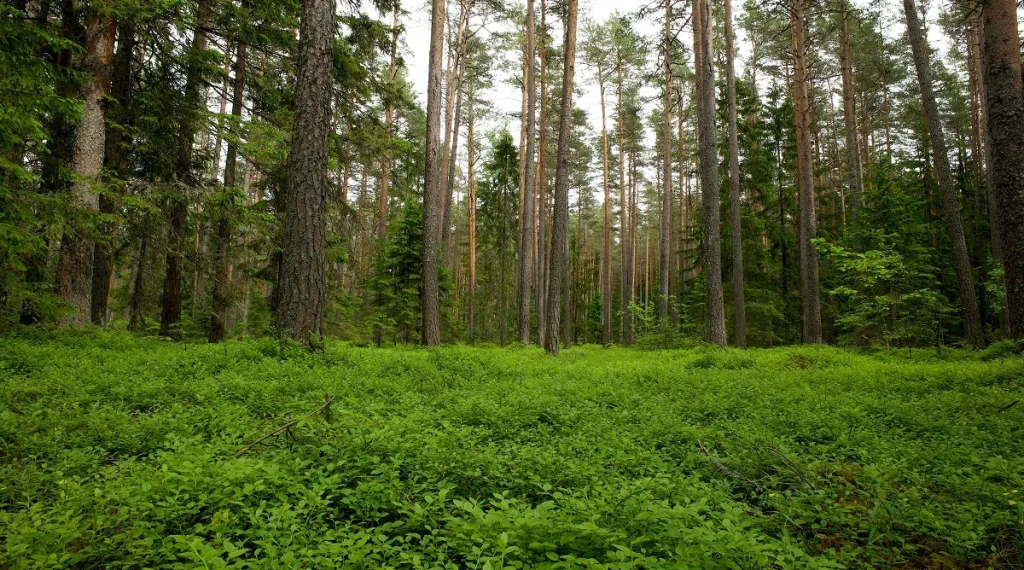
Forest edges are the transition zones where wooded areas meet open land, roads, fields, streams, or neighborhoods. These areas may seem less important than the deeper forest, but experts often explain that they play a key role in wildlife movement, water behavior, and local climate balance.
Forest ecologists, wildlife specialists, and watershed researchers often describe forest edges as active boundary spaces rather than simple borders. Light, wind, temperature, and moisture all shift at the edge, which means plants and animals behave differently there than they do deeper inside the forest.
Why forest edges matter in natural landscapes
Forest edges matter because they connect two very different environments. One side is typically shaded, cooler, and protected by tree cover, while the other is more open, brighter, and exposed to wind and weather. Where these conditions meet, unique ecological processes take place.
Ecologists often explain that edges influence how sunlight enters the forest, how air circulates, and how species move through the landscape. Some wildlife depends on the shelter of dense forest, while others rely on the edge for feeding or travel. This makes forest edges important not just as habitat, but as movement corridors.
That’s why forest edges are often seen as transition zones with their own ecological value. They shape both the forest and the surrounding land rather than simply dividing them.
How forest edges support wildlife habitat zones
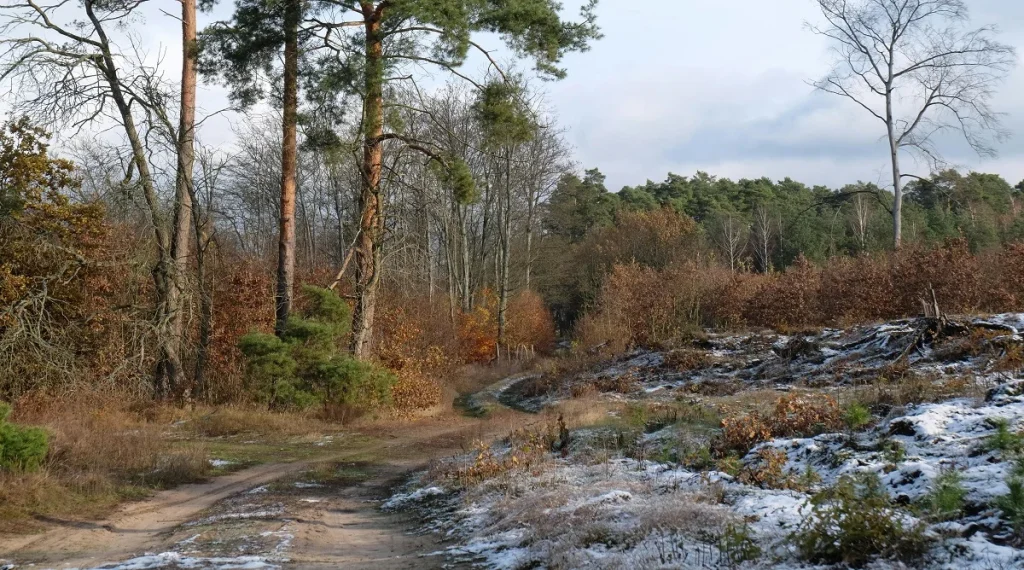
Many animals use forest edges because they offer a balance of shelter and access. Birds may nest in shrubs or low branches while feeding in nearby open areas. Mammals often travel along edges where they can stay close to cover while maintaining visibility. Insects also benefit from the mix of flowering plants, shade, and moisture found in these zones.
Wildlife biologists often note that edges can support multiple habitat needs at once. An animal might rest in dense vegetation, forage along the edge, and return to deeper forest when disturbed. This flexibility makes edges especially valuable in landscapes where habitats are broken into smaller patches.
While some species prefer deep forest interiors and avoid edges, many rely on these transition zones as part of their daily patterns. That’s why the quality and structure of forest edges can have a strong impact on overall ecosystem health.
Credit: Roman Biernacki / Pexels
Why forest edges influence water movement in forests
Water behaves differently at the forest edge because conditions there are not the same as deeper inside the woods. Rain often hits edge areas more directly, soil can dry faster under stronger sunlight, and wind can increase evaporation. The mix of leaves, roots, and low vegetation also affects how water slows down, soaks in, or runs off.
Watershed researchers often explain that water movement depends heavily on how vegetation is structured. In healthy forest edges, roots and ground plants help hold soil in place and reduce erosion, especially on slopes or near streams. When edges are cleared or disturbed, water tends to move more quickly across the surface, which can carry soil away.
This is why forest edges matter for nearby creeks, wetlands, and low-lying areas. Changes at the edge can influence how water leaves the forest and enters the surrounding landscape.
How forest edges affect local climate balance
Local climate is shaped by shade, airflow, humidity, and how heat moves across the land. Forest edges influence all of these factors. A well-structured tree line can reduce direct sunlight, block some wind, and help retain moisture in the soil and nearby plants.
Climate and land researchers often note that forest edges can soften local weather effects. They may reduce heat buildup on exposed ground, limit soil drying, and create cooler, more stable conditions in shaded areas. In farmland, near streams, or around neighborhoods, these effects can shape everyday environmental comfort.
The impact isn’t the same everywhere—it depends on tree density, slope, moisture, and surrounding land use. Still, forest edges often play a meaningful role in the small-scale climate experienced by both people and wildlife.
Why forest edges are sensitive to disturbance
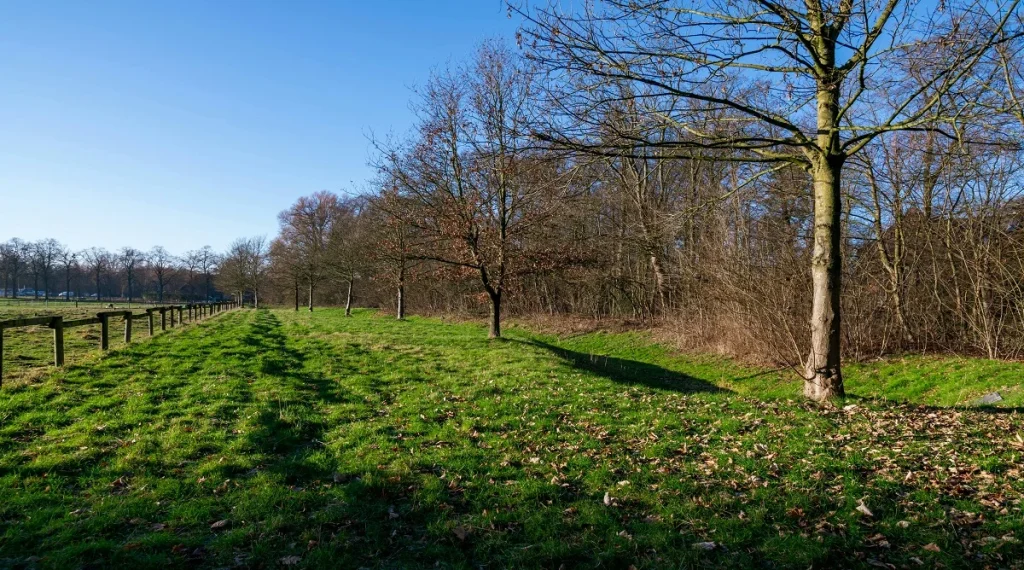
Forest edges can change quickly when they are cut back, widened, or exposed to ongoing pressure from roads, development, or land clearing. Increased sunlight and wind can stress plants that are adapted to cooler, more protected conditions. Soil may dry out faster, invasive species may spread more easily, and wildlife movement patterns may shift.
Forest management specialists often explain that while edges naturally change over time, sudden or intense disturbance can disrupt how they function. A gradual edge with a mix of shrubs, young trees, and mature growth tends to be more stable than a sharp, exposed boundary.
This matters because the forest edge is often the first part of a woodland system to respond to outside pressure. If the edge becomes weakened, those changes can gradually affect the interior of the forest as well.
Credit: Sergej / Pexels
What experts recommend for healthier forest edges
Experts often recommend treating forest edges as active habitat, not empty space. That usually means limiting unnecessary clearing, keeping tree cover intact near streams, and allowing a mix of shrubs, grasses, and young trees to grow along the boundary. Gradual transitions between forest and open land tend to support stronger habitat and more stable soil than sharp, exposed edges.
Forest and land planners also note that edge care should match the surrounding landscape. An edge next to farmland, water, or a residential area may need a different approach, but the core idea stays the same: well-managed edges help maintain stronger connections between land, water, and wildlife.
Forest edges matter because they shape how a woodland interacts with everything around it. When they are understood as active ecological zones rather than simple borders, their role in supporting movement, balance, and long-term resilience becomes much clearer.
Frequently Asked Questions
Q: What are forest edges?
A: Forest edges are the transition zones where wooded land meets open space such as fields, roads, streams, or developed areas.
Q: Why do forest edges matter for wildlife?
A: They provide mixed habitat conditions that help many animals feed, move, shelter, or travel between open and wooded areas.
Q: Do forest edges affect water movement?
A: Yes. Experts often explain that edge vegetation influences runoff, soil stability, and how water moves out of forested land.
Q: Can forest edges affect local temperatures and moisture?
A: Yes. Tree cover and layered vegetation at the edge can influence shade, wind exposure, soil moisture, and local climate balance.
Key Takeaway