
You’ll probably get further with sustainability by doing little things consistently rather than making huge plans you can’t stick to. Lots of families start out aiming high, but as specialists in the field are keen to point out, actually improving things for the environment over the long haul is typically down to things you do every day, not lots of effort for a short time.
Those who study how we behave, people who teach us to create less rubbish, and those who work in sustainability all tend to say that small changes to your usual eco-friendly routine are simpler to continue with as they just become part of how you live. Using a water bottle you can use again and again, looking in the fridge before going to the store, or making sure you switch lights off in rooms you aren’t in all seem like little details, but when you do these things over and over, they end up having a much bigger effect on the total picture than you might think.
Why small sustainability habits often last longer
At the start, really large plans can give you a boost, but they commonly fall apart because they demand all your time, money, and focus at once. A family might decide to overhaul all their ways of doing things at the same time, and then find it hard to keep it up during a hectic week.
People who know about changing how we act generally say that little steps are more likely to stick around because they’re simpler to do again and again. When something is a habit, part of what you do every day, it doesn’t need as much work to continue. This is why changes that genuinely will continue are usually built from easy things that aren’t too much to deal with.
This isn’t to say that having big aims is a bad idea. It’s just that getting to them is generally easier if you divide them into smaller steps that fit with how you really live and with your actual home.
How small sustainability habits build a practical eco-friendly routine
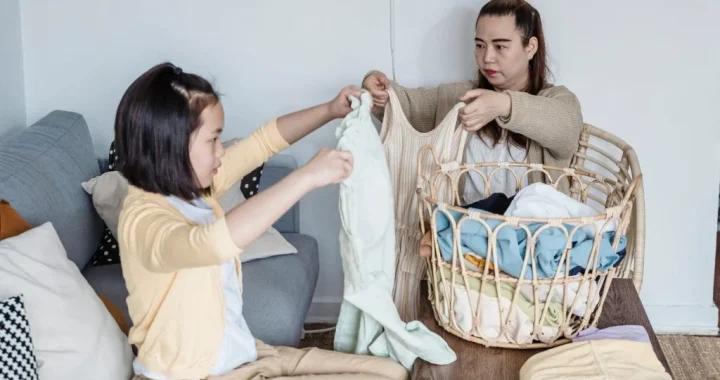
Most of us can start being better for the planet with the things we do anyway each day. Things like cooking, cleaning, going to the store, doing laundry, using lights, and putting things away are all areas where little adjustments will slowly decrease how much we throw away and how much of the Earth’s resources we use.
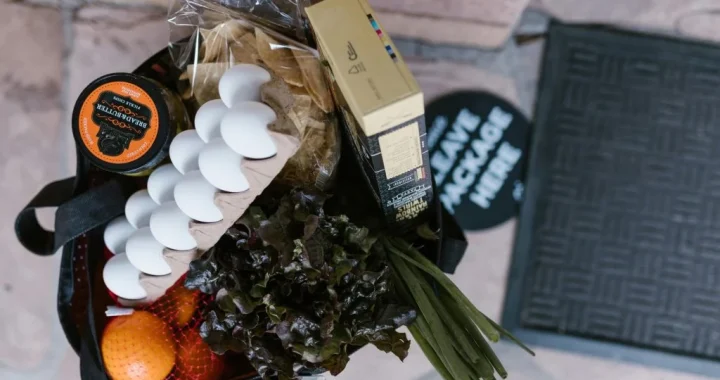
People who teach about living sustainably generally say to begin with what you’re already doing. So, keeping reusable bags by the door, making sure to put leftovers in a spot you’ll actually notice them, or only washing full loads of clothes will make your home work more smoothly, and don’t require you to think much harder about it all.
This works because it makes the eco-friendly thing easier to do. Households are far more apt to stick with something if the sustainable choice is also the convenient one.
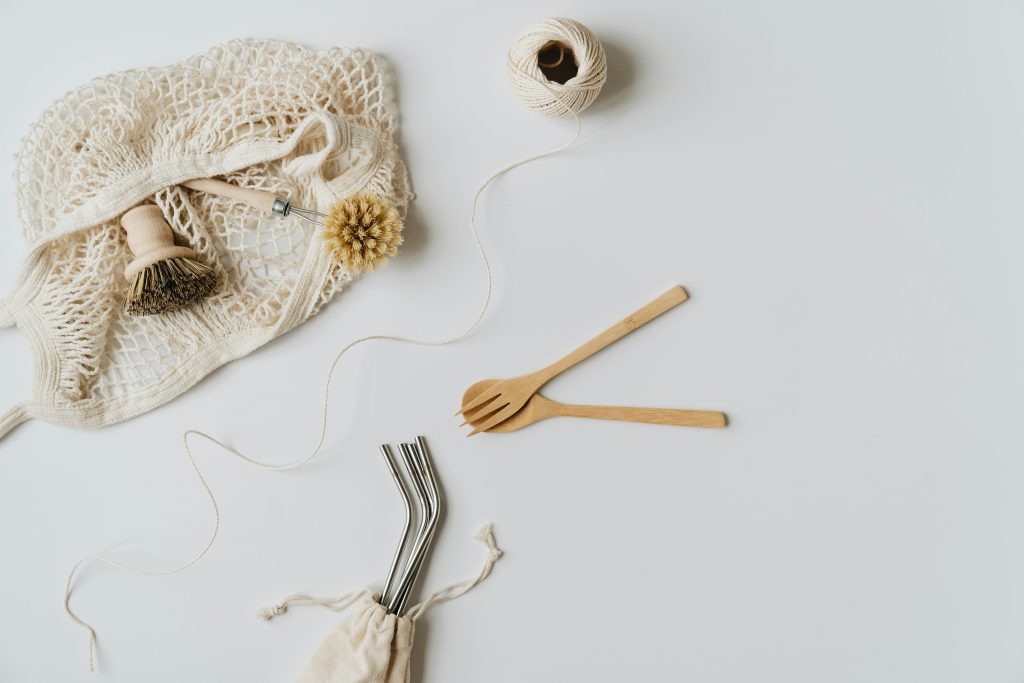
Credit: Darina Belonogova / Pexels
Why perfect plans often slow everyday environmental actions
One common problem with sustainability is the belief that every decision must be ideal. This mindset can make progress feel difficult because people may wait for the perfect product, perfect system, or perfect schedule before doing anything at all.
Environmental psychologists often point out that perfection can discourage action. A household may avoid starting a low-waste routine because it cannot do everything immediately. In practice, everyday environmental actions are often more effective when they begin imperfectly and improve over time.
This is one reason experts often encourage progress over image. A useful, ordinary habit repeated often usually matters more than a polished plan that never becomes real.
How repeated habits create lasting sustainable changes
Repeated actions shape material use, energy demand, and food waste across weeks and months. A single shorter shower may not seem important. A single repaired item may seem minor. A single meal planned around existing ingredients may feel small. But repeated across a year, these actions can significantly affect household patterns.
Waste reduction researchers often explain that the true value of a habit lies in frequency. The most useful sustainability changes are often not dramatic. They are the ones that keep happening without requiring fresh motivation every time.
This is why small sustainability habits are often linked to long-term success. They help households change systems quietly and steadily.
What experts say households should start with first
Experts usually recommend beginning with high-frequency habits. These include food storage, grocery planning, energy use, reusable daily items, water awareness, and maintenance of common household systems. These areas affect waste and resource use more often than rare one-time decisions.
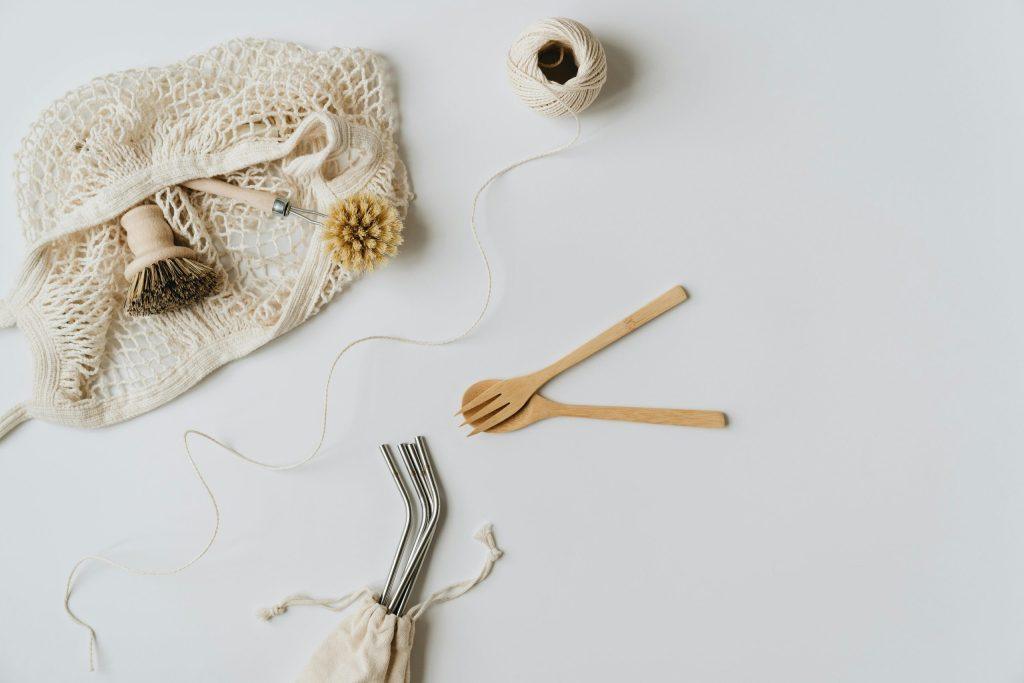
Home efficiency advisers often explain that the best starting point is where waste happens most repeatedly. A family that regularly throws away leftovers may benefit more from better food visibility than from a larger long-term plan that never becomes routine. A household that uses many disposable bottles may benefit more from one durable bottle than from a full shopping overhaul.
Small sustainability habits work best when they solve a real everyday problem while also reducing waste or demand.

Credit: Cottonbro Studio / Pexels
Why consistency often matters more than intensity
Doing something with a lot of energy can be thrilling, yet it’s sticking with things that makes things happen in a structured way. A home that does three uncomplicated earth-friendly things for a long time will generally throw away less, than a home that tries to do loads of big changes for just a short while. This is a trend professionals commonly find with getting rid of food scraps, using less energy, and finding new uses for things.
Those who study how we act say repetition is so important because it means you don’t have to choose to do it over and over. After something becomes a habit, you just do it, you don’t need to consciously decide to each time, and the habit itself almost does the work for you.
Because of this, living a more environmentally friendly life is frequently simpler than you initially imagine. Starting the habit is typically the toughest bit, after that, keeping it up is easier when it simply feels like what you do.
How households can make small sustainability habits easier
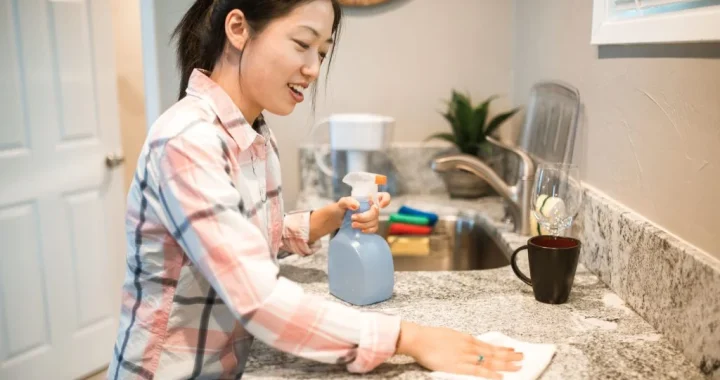
People who know about forming habits usually say to build your house to support what you actually do. Things you use over and over should be where you can get to them easily, and food you need to eat first should be where you can see it. Have cleaning rags close to the sink, and keep bags by the door. These little decisions about where things go are surprisingly important for keeping a good habit going.
Within a family, it’s also helpful to be realistic about what you’re aiming for. If you attempt to change too much all at once, you will likely get annoyed. It’s generally much more successful to pick two or three things you can do regularly, and allow those to become normal, before you try to add anything else.
Most importantly, small sustainable habits are at their best when they don’t overwhelm.
Frequently Asked Questions
Q: Why do small sustainability habits matter?
A: They matter because repeated small actions often create more lasting change than short-term efforts that are difficult to maintain.
Q: What are examples of small sustainability habits?
A: Common examples include using reusable bags, reducing food waste, running full appliance loads, and turning off unused lights.
Q: Are small habits really enough to make a difference?
A: Experts often explain that small habits become powerful when they are repeated consistently over time.
Q: Why do perfect sustainability plans often fail?
A: They can demand too much change at once, which makes them harder to maintain in everyday life.
Key Takeaway
Small sustainability habits often matter more than perfect plans because they are easier to repeat and more likely to become part of daily life. Experts often recommend practical eco-friendly routine changes that fit normal household behavior rather than demanding full lifestyle overhauls. Consistent everyday environmental actions can create lasting sustainable changes over time. Understanding the value of small sustainability habits helps households build progress that actually lasts.