
Night-blooming flowers do not usually receive the same attention as colorful daytime blooms, yet they play an important role in supporting backyard ecosystems. Many gardens are designed with daytime beauty, fragrance, and pollinator activity in mind, but nature does not stop working when the sun goes down. After sunset, moths, beetles, and other evening pollinators continue moving through gardens while bees have returned to their hives and most people have gone indoors.
Pollinator ecologists, wildlife gardeners, and habitat planners often explain that night-blooming flowers are valuable because they extend a garden’s feeding opportunities into the evening. This allows a wider variety of insects to find food and helps create a healthier backyard ecosystem by supporting wildlife throughout the entire day instead of only during daylight hours.
Why Evening Pollinators Are Often Overlooked
Bees and butterflies receive most of the attention because they are easy to see. They are active during the day, visit colorful flowers, and are widely recognized as important pollinators. Evening pollinators, however, work much more quietly. Their activity happens in fading light or complete darkness, so many people never realize how much life continues in the garden after dusk.
Wildlife researchers often note that this has influenced the way many gardens are designed. A landscape may be filled with flowers that look beautiful during the day but provide limited value to insects that depend on fragrance, pale blooms, and nighttime access to nectar. As a result, one group of pollinators is supported while another has fewer feeding opportunities.
This matters because healthy ecosystems rely on diversity. When gardens provide resources for more species across more hours of the day, they become far more valuable to local wildlife.
How Night-Blooming Flowers Support Moths
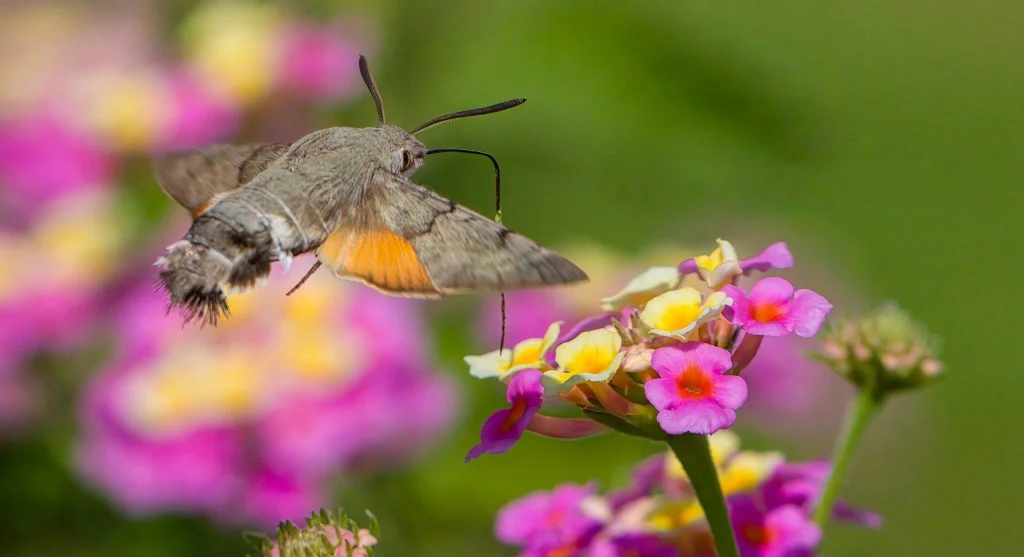
Moths are among the most important nighttime pollinators in many environments. They are naturally attracted to pale or white flowers, rich evening fragrance, and blooms that remain open or become easier to access after sunset. As they travel from flower to flower searching for nectar, they carry pollen that helps plants reproduce both within the garden and beyond it.
Pollination specialists often explain that moths are especially valuable because they are abundant, widely distributed, and active when most daytime pollinators have stopped feeding. While some plants have evolved specifically for moth pollination, many garden flowers can also provide useful nectar during the evening. By including night-blooming flowers, gardeners create a second period of pollinator activity after daylight fades.
This helps correct the common assumption that pollination ends once bees disappear for the evening.
Why Fragrance Becomes More Important After Sunset
At night, gardens depend less on bright colors and more on scent. During daylight, pollinators can easily locate flowers by their shape and color. After dark, fragrance becomes one of the most reliable signals guiding insects to nectar.
Garden ecologists often explain that many night-blooming flowers release their strongest fragrance during the evening rather than throughout the day. Their greatest ecological value is not necessarily how they look but when they produce scent. A flower that seems fairly ordinary at noon may become one of the busiest feeding stations in the garden after sunset.
This reminds gardeners that a plant’s value is not always measured by what people see during the day.
How Night-Blooming Flowers Strengthen the Food Web
Supporting more insects also benefits the wildlife that depends on them. Moths and other nighttime pollinators become an important food source for bats, birds, spiders, and numerous other animals that feed during the evening or early morning. Because of this, the benefits of night-blooming flowers extend far beyond pollination alone.
Habitat specialists often point out that the healthiest gardens provide multiple ecological resources at once. A flower that feeds pollinators, contributes to local food chains, and grows alongside areas offering shelter provides much greater environmental value than one selected only for appearance. Night-blooming plants frequently serve this broader purpose because they connect flowering plants with the often-overlooked nighttime portion of the ecosystem.
That is why these flowers play such an important role in creating healthier backyard habitats. They support not just one species, but an entire network of life.
Why Pale Flowers and Open Bloom Shapes Often Work Best
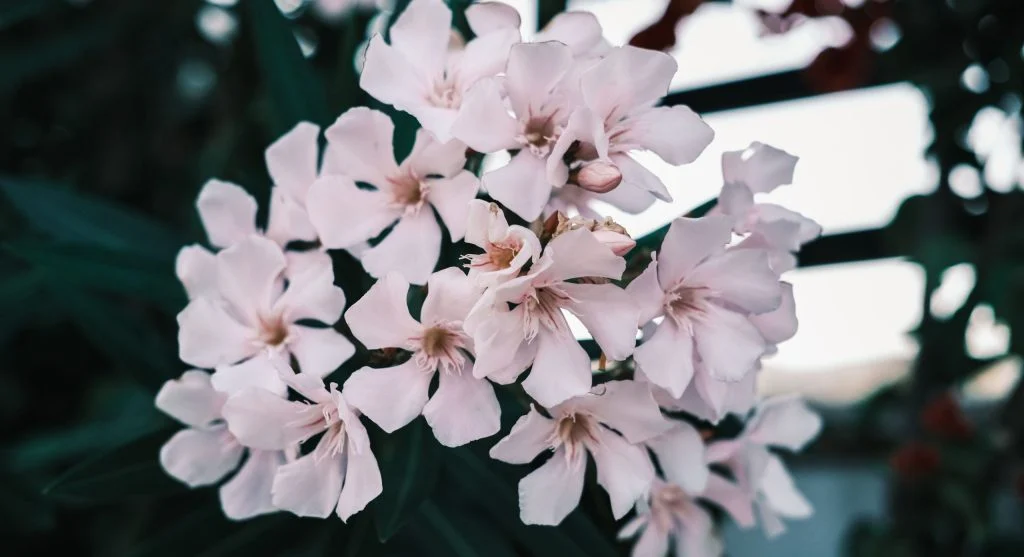
Many flowers pollinated during the evening share several common characteristics. Pale petals tend to stand out more clearly in low light. Open blossoms or flowers with tube-shaped access often suit the feeding habits of moths. Strong evening fragrance also helps insects locate blooms after sunset. While these are not strict requirements, they often make gardens more inviting to nighttime pollinators.
Wildlife gardening experts frequently explain that choosing suitable flowers does not need to be complicated. A mixture of plants that bloom into the evening, release noticeable fragrance, and remain accessible after dusk is often enough to make a meaningful difference. Even a relatively small planting area can provide valuable habitat when located in a quiet part of the garden.
This means gardeners do not need to redesign an entire landscape to support evening wildlife. A thoughtfully planted section can significantly increase the ecological value of the yard.
What Often Limits Night Pollinators in Home Gardens
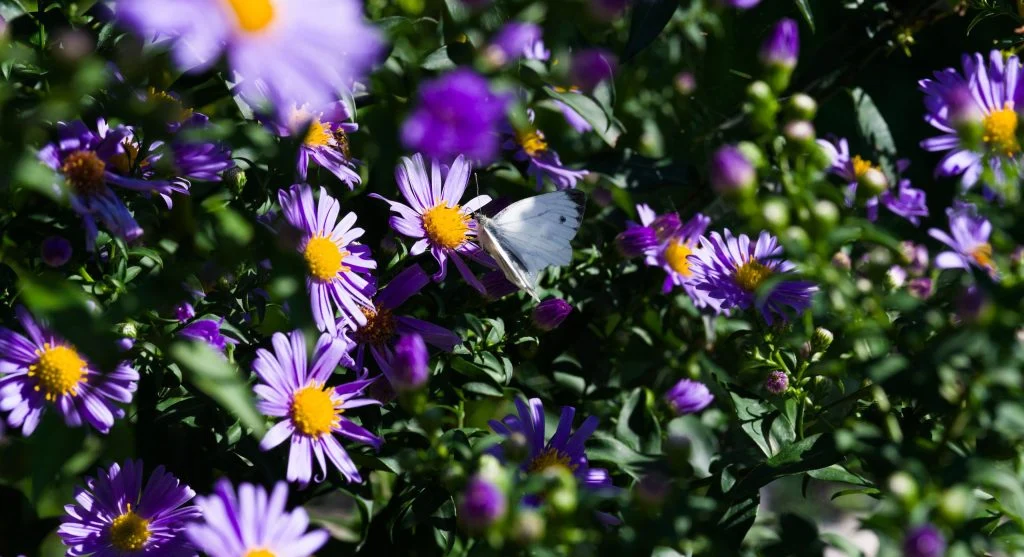
Many home landscapes are designed almost entirely around daytime enjoyment. Bright midday flowers, frequent trimming, and strong outdoor lighting can all reduce how welcoming a garden feels to insects active after sunset. Artificial lighting, in particular, may interfere with natural insect movement and distract pollinators from flowers.
Ecology educators often explain that supporting nighttime wildlife does not require leaving the garden unmanaged or completely dark. Instead, it means allowing some areas to remain quieter after sunset and letting fragrant evening flowers contribute naturally to the landscape. A garden illuminated gently by pale blooms and subtle fragrance often supports wildlife more effectively than one dominated by bright lights and purely decorative design.
This is why helping evening pollinators depends not only on the flowers themselves but also on how the space is used after dark.
What Experts Recommend Gardeners Observe First
Experts often suggest beginning with one simple question: What does my garden offer after sunset? If the answer is “very little,” then adding night-blooming flowers may fill an important ecological gap. Gardeners can start by noticing whether any flowers remain open in the evening, whether fragrance increases after dusk, and whether pale-colored blooms are already part of the landscape.
They also recommend spending a few quiet minutes outdoors around sunset whenever possible. Even brief observation can reveal moth activity, shifting fragrances, or subtle pollinator movement that often goes unnoticed during the day. Experiences like these frequently change the way people see their gardens. Instead of viewing the landscape as something active only in daylight, they begin recognizing it as a habitat that functions around the clock.
That awareness is important because people are far more likely to protect the wildlife they notice.
Why Night-Blooming Flowers Fit Practical Backyard Habitat Care
One of the best aspects of night-blooming flowers is that they increase ecological value without making a garden harder to enjoy. These plants can still be beautiful, fragrant, and appealing to people while also supporting overlooked pollinators and strengthening the garden after sunset.
Pollinator researchers often explain that local ecosystems become healthier when gardens provide resources throughout more hours of the day. A landscape that supports only daytime pollinators is still valuable, but one that also feeds evening pollinators offers more complete habitat. Small planting decisions can therefore create much broader environmental benefits.
That is why night-blooming flowers matter for moths, evening pollinators, and healthier backyard ecosystems. They extend the usefulness of a garden into the hours when people may no longer be watching, but nature continues to thrive.
Frequently Asked Questions
Q: Why do night-blooming flowers help moths?
A: They help moths by offering nectar, pale petals, and often stronger evening fragrance that is easier to locate after sunset.
Q: Are moths really important pollinators?
A: Yes. Experts often explain that moths are a significant part of nighttime pollination in many landscapes and help extend pollinator activity beyond daylight hours.
Q: What kinds of flower traits are useful for evening pollinators?
A: Pale colors, open blooms, and noticeable evening scent often make flowers more useful for nighttime visitors.
Q: Does a garden need many night-blooming plants to make a difference?
A: Not necessarily. Even a small cluster can add meaningful support if it provides accessible blooms during evening hours.
Key Takeaway
Night-blooming flowers are important because they support moths and other evening pollinators that are often overlooked in traditional garden planning. By extending nectar availability beyond daylight hours, these plants strengthen local food webs, increase biodiversity, and make backyard habitats more valuable throughout the entire day. For many households, adding just a few carefully chosen night-blooming flowers is a simple way to create a healthier, more balanced, and ecologically active garden.