
Running heat-producing appliances later at night can have a bigger effect on summer home comfort than many people realize because indoor temperatures are influenced by more than just the weather outside. The activities happening inside the home also play a significant role. Ovens, clothes dryers, dishwashers, and certain kitchen appliances all generate heat while operating, and that added warmth can make an already hot house feel even more uncomfortable during the warmest part of the day.
Building researchers, home efficiency advisers, and indoor climate specialists often explain that timing matters because summer discomfort tends to build in layers. Outdoor heat, direct sunlight, warm walls, and indoor humidity already place strain on a home’s cooling ability. When heat-producing appliances are added to that mix, the overall effect can feel much more noticeable than a single task would suggest. This is why shifting certain household chores to later in the evening can make a meaningful difference in how comfortable a home feels.
Why Indoor Heat Timing Matters During Summer
Most households think about appliance timing in terms of energy costs, but comfort is an important factor as well. Homes often feel most uncomfortable during the late afternoon and early evening, when outdoor temperatures remain high and walls, floors, and furniture have spent hours absorbing heat.
Indoor comfort specialists often note that the same appliance can have a very different impact depending on when it is used. A dishwasher running during a hot evening may noticeably warm the kitchen and nearby rooms. The exact same cycle, run later at night, may feel far less disruptive because the home has already begun cooling down. While overall energy use may remain similar, the comfort difference can be significant.
This is why appliance timing should be viewed as a comfort strategy rather than simply a scheduling choice.
How Heat-Producing Appliances Contribute to Indoor Heat Buildup
Heat-producing appliances release warmth directly into the home while indoor spaces are already working to recover from daytime temperatures. Ovens and stovetops are obvious examples, but dryers, dishwashers, and some countertop appliances can also increase room temperatures and contribute to a heavier indoor atmosphere.
Home efficiency researchers often explain that heat inside a house tends to linger longer than many people expect. Once warm air is introduced, nearby rooms may remain uncomfortable for hours, particularly during humid weather or in homes with limited airflow. When several heat-producing tasks occur close together, the effect becomes even more noticeable.
For this reason, adjusting the timing of just one appliance can influence how an entire section of the house feels throughout the evening.
Why Late-Night Use Often Feels Easier on the Home
Using heat-producing appliances later in the evening often feels more comfortable because outdoor temperatures generally begin to decrease after sunset. As the home gradually releases some of the heat stored during the day, additional warmth from a dryer, dishwasher, or oven tends to have a smaller impact.
Climate and housing experts often point out that this is particularly important in rooms where heat tends to collect. A kitchen used heavily during a hot evening may remain uncomfortable long after cooking ends. The same room often recovers more easily when appliances are used later, after outdoor conditions have become less intense and household activity has slowed down.
This is one reason later appliance use can improve comfort without requiring any major lifestyle changes.
Which Appliances Usually Have the Biggest Impact?
Not all appliances affect indoor comfort equally. Those that generate substantial heat or operate for extended periods often have the most noticeable effect. Ovens, clothes dryers, and dishwashers are among the most common contributors because they combine heat production with frequent household use.
Home comfort educators often recommend paying particular attention to kitchens and laundry areas, since these spaces tend to concentrate both heat and activity. Running a dryer during a hot afternoon or using an oven during the warmest part of the evening can increase discomfort precisely when the home is already under the most pressure.
This does not mean every heat-producing appliance must be used at night. It simply highlights that some household tasks have a greater effect on comfort than many people realize.
Why the Same Routine Feels Different in Summer
A routine that feels completely normal during cooler months can become surprisingly uncomfortable during summer. Running a dishwasher after dinner, baking in the evening, or doing laundry in the late afternoon may seem harmless during spring or winter. However, during hot weather, the home starts from a much warmer baseline.
Building advisers often explain that seasonal adjustments are among the simplest ways to improve comfort without changing daily life dramatically. Just as people adjust clothing choices, outdoor activities, and meal planning according to the season, appliance schedules can also benefit from small seasonal changes.
Sometimes the easiest way to improve comfort is simply to move a familiar task to a different time of day.
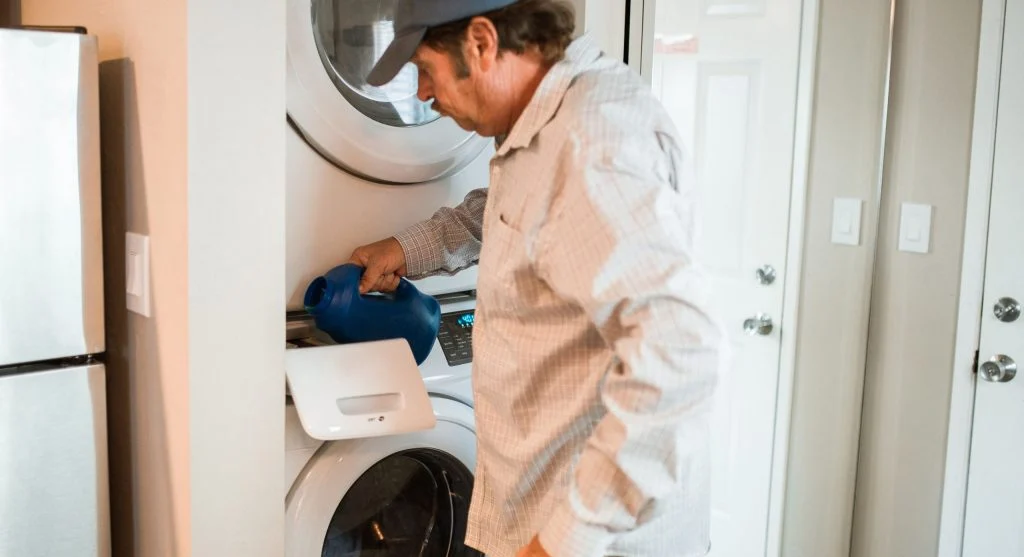
How Appliance Timing Can Support a More Comfortable Evening
Many households think of appliance timing primarily in terms of efficiency, but it can also influence the overall atmosphere of the home. A cooler kitchen, a less stuffy hallway, or a bedroom that begins cooling earlier can all contribute to a more relaxing evening.
Indoor climate specialists often note that people naturally want late afternoon and early evening to feel like recovery periods after a hot day. When those hours are filled with additional heat from cooking, laundry, and other household chores, the home may remain uncomfortable longer than necessary.
Delaying certain tasks until later can help preserve those key comfort hours without preventing the work from getting done.
What Experts Suggest Households Observe First
Experts often recommend paying attention to which activities noticeably change how the home feels. If the kitchen becomes significantly warmer after cooking, the laundry room heats nearby spaces, or evening cleanup leaves the house feeling stuffier, those are useful clues.
They also suggest identifying which tasks offer flexibility. Some activities, such as preparing dinner, may be difficult to move. Others, including dishwasher cycles or dryer loads, can often be shifted more easily. Starting with these flexible tasks typically delivers the most practical benefits with the least disruption.
Making small adjustments is often more effective than attempting a complete overhaul of household routines.
Why This Fits Practical Summer Living
Practical summer living is often about protecting the coolest version of the home during the most challenging hours of the day. Running heat-producing appliances later at night supports that goal by reducing unnecessary indoor heat when the house is already struggling to stay comfortable.
Energy and housing researchers frequently note that small timing adjustments are among the easiest long-term comfort strategies to maintain. They do not require expensive equipment, major renovations, or complicated planning. Instead, they simply encourage households to recognize when indoor spaces are most vulnerable to heat buildup and avoid adding extra warmth during those times.
That is why using heat-producing appliances later in the evening can improve summer comfort more than many people expect. The benefit comes from reducing indoor heat at the exact time when the home has the least capacity to handle it.
Frequently Asked Questions
Q: Why does appliance timing matter for summer comfort?
A: Appliance timing matters because ovens, dryers, dishwashers, and similar devices add indoor heat that can feel more disruptive during the hottest part of the day.
Q: Which heat-producing appliances affect comfort the most?
A: Ovens, clothes dryers, and dishwashers often have the clearest comfort effect, especially in enclosed kitchens and laundry areas.
Q: Is late-night appliance use always necessary?
A: Not always. Experts often explain that the biggest benefit comes from shifting the most flexible heat-producing tasks away from the hottest hours.
Q: Does this change energy use or only comfort?
A: The strongest immediate benefit is often comfort, though timing changes may also support smoother household energy patterns.
Key Takeaway
Running heat-producing appliances later at night can significantly improve summer home comfort by reducing extra indoor heat during the hours when a house already feels most stressed. Experts often note that appliances such as ovens, dryers, and dishwashers affect comfort not only because they consume energy, but because they add warmth when indoor temperatures are already elevated. Small adjustments in timing can therefore influence how comfortable the entire evening feels. Understanding this relationship allows households to reduce indoor heat buildup through one simple and practical everyday habit.