

Using task lighting at night can help homes use less electricity overall because many evening activities happen in one small area, not across the entire room. Reading in one chair, working at one desk, folding laundry on one table, or helping with homework at one counter usually does not require every overhead light in the room to be fully on.
Energy advisers, lighting specialists, and home efficiency researchers often explain that focused home lighting works well because it matches light to the actual need. Instead of lighting the whole room for one small activity zone, task lighting puts useful brightness exactly where the eyes and hands need it most. That simple change can support practical energy savings without making the home feel dark or inconvenient.
Why using task lighting at night matters in daily home life
Most evening routines are smaller and more specific than people often realize. Someone may read in bed, prepare one lunch at the counter, finish a short email at a desk, or knit on one side of the sofa. Still, many households respond by switching on the main overhead lights for the whole room, or even several connected rooms at once.
Home lighting experts often explain that using task lighting at night matters because lighting habits are usually shaped by routine rather than actual need. People reach for the main switch because it is familiar and quick, not always because the whole room truly needs that much light. Over time, that habit can lead to more evening electricity use than necessary.
This matters because lighting is one of the most repeated energy choices in the home. A small improvement in that routine can make a difference night after night.
How using task lighting at night helps homes use less electricity overall
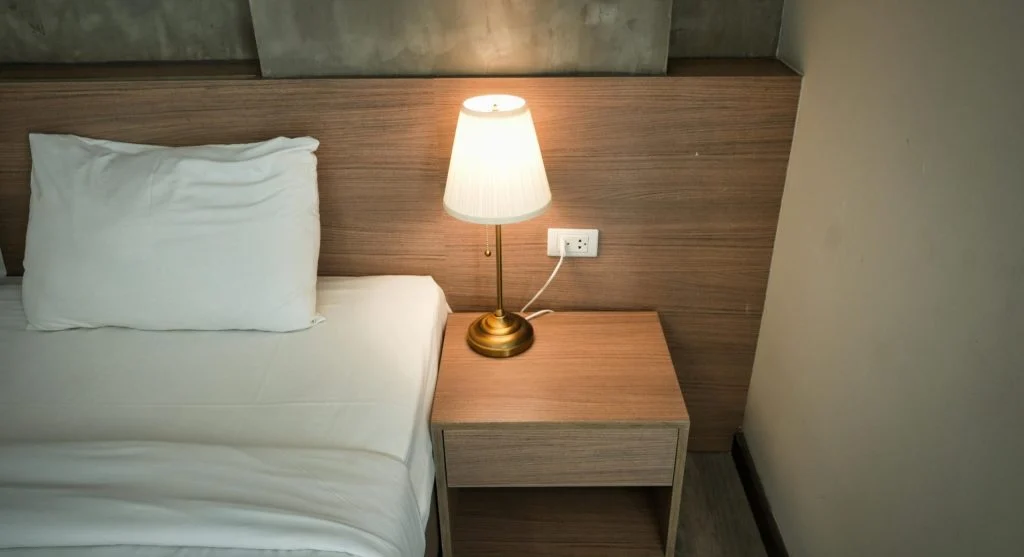
Using task lighting at night helps homes use less electricity overall by reducing the need for broad room lighting when only one activity area is being used. A desk lamp, reading lamp, under-cabinet light, bedside light, or focused floor lamp can often provide enough brightness for the task without requiring the entire room to be brightly lit.
Energy researchers often note that this works especially well because it matches real household behavior. Evening life often happens in zones. One person may be reading in a chair while another uses a laptop at a table. If each person has useful focused home lighting, the household may avoid turning on stronger general lighting across the whole space.
This is why task lighting often supports practical energy savings more effectively than many people expect. It changes the scale of lighting from “whole room” to “where the task is.”
Why overhead lighting is often more than the task really needs
Overhead lighting is useful, but it often serves a wider purpose than one evening task requires. It is designed to brighten the whole room, support movement, and create general visibility across walls, floors, and furniture. That can be valuable for some activities, but it is not always necessary for one focused task in a single corner.
Lighting specialists often explain that this is where households can use more light than they actually need. A person paying one bill at the table may not need the same level of brightness as a family meal, whole-room cleanup, or social gathering. Using task lighting at night helps avoid this mismatch by placing the strongest light where it matters most.
This is one reason focused lighting feels practical rather than restrictive. It provides enough brightness for the activity without assuming every part of the room needs to be used equally.
How focused home lighting supports comfort too
Focused home lighting is not only about energy. It can also support comfort by creating calmer evening spaces. Bright overhead lights can sometimes feel harsh late at night, especially in bedrooms, quiet living rooms, or work areas where people want a softer shift toward rest. A lamp aimed at the task often feels gentler while still being useful.
Home comfort researchers often note that many people prefer layered lighting in the evening because it helps a room feel more settled. A reading lamp beside a chair, a small desk light, or a warm counter light can make the home feel more intentional and less glaring. This can improve evening routines while still supporting practical energy savings.
That is why task lighting often works well in real homes. It matches both the size of the task and the calmer mood many households want at night.
Why task lighting is often most useful for repeated evening activities
Task lighting is especially useful when the same activity happens in the same place most nights. A child doing homework at the same desk, an adult reading in the same chair, or someone preparing lunch at the same kitchen corner can benefit from a dedicated light source that is ready for that repeated task.
Energy advisers often explain that repeated routines are where the strongest gains usually appear. If the household uses one focused light every night instead of a brighter full-room setup, the habit becomes automatic and easier to maintain. That kind of repeated behavior often matters more than one-time changes.
This is why using task lighting at night fits practical home energy planning. It builds savings through ordinary repetition rather than through effort that feels unusual or difficult to keep up.
What experts recommend households notice first
Experts usually recommend paying attention to which evening activities truly use only one part of a room. Reading, laptop work, sewing, puzzles, lunch packing, and quiet desk tasks are often strong examples. If the activity stays mostly in one place, that is usually a good sign that focused home lighting may work better than full overhead lighting.
Lighting and energy specialists also suggest noticing how often the main light is turned on out of habit rather than clear need. If an entire room is lit while only one chair or one desk is being used, the household may already have a simple opportunity to improve the routine. A small lamp placed where the activity actually happens is often enough to change the pattern.
This kind of observation matters because practical energy savings usually begin with matching the tool to the task more carefully.
Why using task lighting at night fits practical home energy planning
Practical home energy planning works best when it improves repeated habits without making daily life harder. Using task lighting at night fits that idea because it gives the household the light it actually needs while reducing unnecessary full-room lighting for small evening tasks. The activity stays easy, but the lighting becomes more intentional.
Energy researchers often explain that homes do not always need to use less by doing less. Sometimes they use less by using things more precisely. Task lighting is a strong example of that idea. It places light exactly where it is useful, helping the home use less electricity overall without sacrificing comfort or function.
That is why using task lighting at night matters more than it may seem at first. It turns a very common evening habit into a clearer, more focused, and often more efficient way to light the home.
Frequently Asked Questions
Q: Why does using task lighting at night reduce electricity use?
A: It reduces electricity use by lighting only the part of the room where the activity is happening instead of brightly lighting the whole space.
Q: What kinds of activities work best with task lighting?
A: Reading, desk work, homework, sewing, meal prep, and other focused evening tasks often work especially well with task lighting.
Q: Does task lighting make a room too dark?
A: Not necessarily. Experts often explain that it can provide enough useful light for the task while keeping the rest of the room softly lit.
Q: Is task lighting better than overhead lighting all the time?
A: No. Overhead lighting is still useful for full-room activities, but task lighting often works better for smaller evening routines in one area.
Key Takeaway