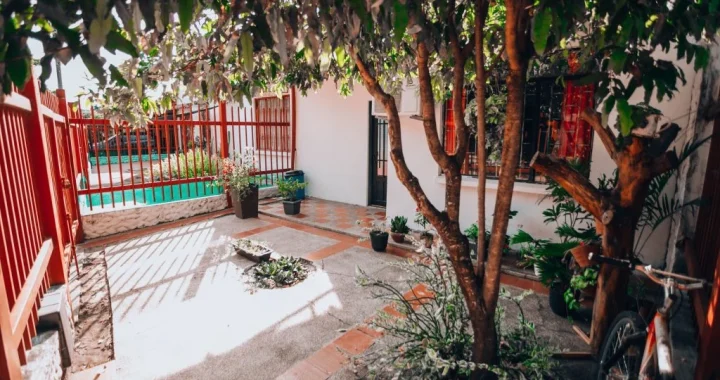

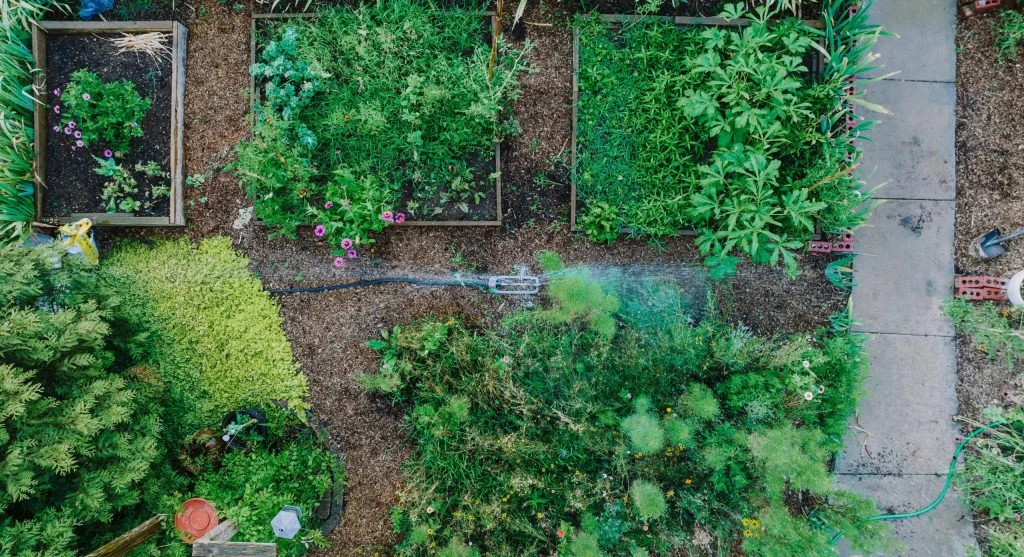
Rain barrels can help small gardens use water more wisely by collecting rain that would otherwise run off roofs and leave the yard quickly. During dry weeks, that stored water can become a helpful extra source for garden beds, containers, and other planted areas that need steady care but do not always require treated household water for every task.
Water conservation specialists, landscape planners, and garden educators often explain that rain barrels are useful because small gardens usually benefit from small water systems. A modest amount of stored rainwater may not carry an entire property through a long drought, but it can still make a meaningful difference in how a household manages garden care between rainfall events.
Why rain barrels matter for small gardens
Small gardens often need regular attention because their soil can dry out faster than people expect. Raised beds, flower borders, herbs, and container plants may all lose moisture quickly in warm weather, especially when they are exposed to wind, sun, or reflected heat from nearby paving. In these areas, even a small amount of extra water at the right moment can help.
Garden experts often explain that rain barrels matter because they fit the scale of the need. A household may not need a large storage system to support a few beds or containers. It may simply need a practical way to save some of the rain that already falls on the property and use it later when the garden starts to dry.
This is one reason rain barrels are often seen as a realistic tool for everyday yard care. They connect normal rainfall to normal garden needs in a simple and direct way.
How rain barrels help small gardens use water more wisely
Rain barrels help small gardens use water more wisely by holding roof runoff for later use in planted areas. Instead of treating rainfall as something that only needs to drain away, the household can keep part of it ready for the next dry stretch. This often helps gardeners respond more calmly when a few hot days arrive between storms.
Water researchers often note that the strongest benefit comes from timing. Rain may fall heavily one day and then stop for several days afterward. A small garden still needs moisture during that dry period. A rain barrel helps bridge that gap by saving water from the wet moment for the dry one.
This is why rain barrels are often viewed as a practical water-saving habit, not just a decorative garden feature. Their value comes from storing useful water when nature provides it and making it available when the garden actually needs it.
Why dry weeks are harder on gardens than many households expect
Dry weeks often affect gardens faster than lawns or larger landscapes because garden soil is usually worked more, planted more densely, and expected to support more active growth. Small beds can lose moisture quickly, especially when the weather is hot and rain has not fallen for several days. A garden may look fine at the start of the week and noticeably stressed by the end.
Landscape specialists often explain that this quick change is why stored water matters. It is not always a long drought that causes trouble first. Often, it is the ordinary dry gap between one rainfall and the next. If the household has no extra water ready during that gap, plants may depend entirely on immediate hose or tap use.
This is one reason rain barrels are especially useful for small gardens. They give the yard another option during the exact period when moisture begins to run short.
How rain barrels support practical yard care habits
Practical yard care works best when the right tools are close to the task. A rain barrel placed near a downspout and planting area can make watering feel more direct and intentional. Instead of treating watering as one large whole-yard chore, the household can use stored rainwater first for the beds and containers that need the most careful attention.
Garden educators often explain that this can also improve water awareness. People tend to notice more clearly how much water a small garden actually needs when they are using a limited stored source. That does not always mean using less water overall, but it often encourages more careful use where it matters most.
This is why rain barrels often support better habits along with better storage. They make watering feel connected to purpose instead of automatic.
Why rain barrels are often most useful for targeted watering
Rain barrels are usually most useful when the household uses them for specific garden areas instead of expecting them to replace all outdoor water needs. Small beds, herbs, seedlings, potted plants, and recently planted flowers often benefit most because they are sensitive to drying and easy to water in modest amounts.
Water conservation experts often explain that targeted watering makes the best use of stored rainwater. A barrel may not be suitable for every outdoor surface or every large landscape need, but it can be very practical for the plants that matter most in a small garden routine. This keeps the system realistic and easier to maintain.
That is one reason the idea works well for small spaces. A limited supply can go surprisingly far when it is used carefully and for the right purpose.
What experts recommend households notice first
Experts usually recommend paying attention to where water stress appears first in the yard. If containers dry quickly, herbs wilt between rains, or raised beds need frequent care, those are often the places where stored rainwater can help the most. The strongest system is usually the one that serves the most vulnerable planting areas first.
Water and garden advisers also suggest noticing how much roof runoff leaves the property during storms. Many households are surprised by how much water moves through a downspout even during an ordinary rain. Seeing that flow often helps people understand why storing even part of it can support more practical yard care later.
This observation matters because it connects two everyday events that are easy to overlook: fast runoff during rain and plant stress during dry weather. Rain barrels help link those moments into one more balanced system.
Why rain barrels fit practical local environment care
Practical local environment care often starts with using nearby resources more thoughtfully. Rain barrels fit that idea because they keep some rainwater on site instead of sending it away immediately and then making the garden rely only on another source later. This approach supports more careful water use at the small household scale.
Environmental planners often explain that better local care often comes from many modest actions rather than one dramatic change. A rain barrel is a good example of that principle. It is small, visible, and easy to understand, yet it helps households respond more intelligently to both rain and dry spells in the same yard.
That is why rain barrels can help small gardens use water more wisely during dry weeks. They give the household a practical way to save part of one weather event and use it to support another.
Frequently Asked Questions
Q: Why do rain barrels help small gardens?
A: They help by storing roof runoff that can later be used to water beds, containers, and other small planted areas during dry weeks.
Q: Are rain barrels meant to water an entire yard?
A: Usually not. Experts often explain that they are most useful for targeted watering in smaller or more sensitive garden spaces.
Q: Why are dry weeks hard on small gardens?
A: Small gardens often dry faster because their soil and planting areas are more exposed and more actively used than larger landscapes.
Q: What should households water first with stored rainwater?
A: Containers, herbs, seedlings, raised beds, and other quickly drying plants are often the best place to start.
Key Takeaway
Rain barrels help small gardens use water more wisely because they store rainfall for the dry periods when plants need it most. Experts often explain that this simple system works especially well for targeted watering in beds, containers, and other sensitive planting areas. The benefit comes from matching stored rainwater to real garden timing. Understanding rain barrels helps show how small outdoor systems can support smarter yard care during dry weeks.