

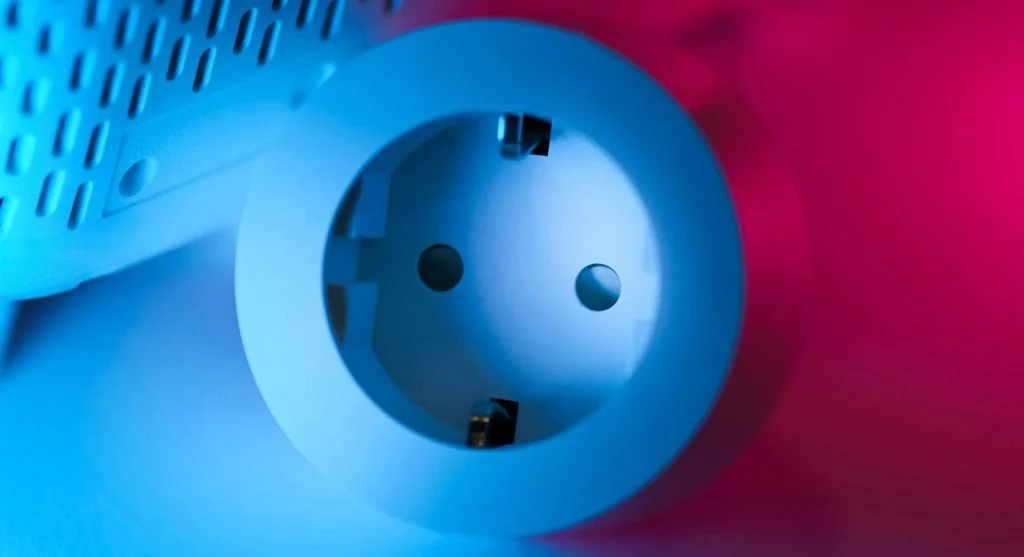
Small appliance standby habits can affect home energy use more than many households expect because electricity use does not only happen when a device seems active. A coffee maker clock, television box, speaker system, game console, microwave display, printer, or charger left connected all the time may keep drawing some power in the background. Each device may seem minor, but the pattern matters because it repeats every day.
Energy analysts, home efficiency advisers, and building researchers often explain that lower power waste is not always about one large machine. It is also about the quiet habits around many smaller devices. When standby use is repeated across several rooms, it can become part of a home’s normal electricity pattern even when nobody is actively using the equipment.
Why small appliance standby habits matter in daily home life
Many homes now depend on more plugged-in items than people realize. Kitchen counters, bedrooms, living rooms, and home offices may all hold devices that stay connected continuously. Some show lights or clocks. Others look inactive but are still ready to turn on instantly, keep settings stored, or stay linked to a remote or network connection.
Home energy specialists often explain that small appliance standby habits matter because they are easy to ignore. A device that seems “off” often stops feeling like an energy decision. Yet if the same quiet background use continues all day and all night across many items, the total effect becomes more meaningful than the household might assume.
This is one reason standby use is often discussed as a habit issue as much as a technology issue. The equipment matters, but the routine around it matters too.
How small appliance standby habits shape home energy use
Small appliance standby habits shape home energy use by adding a steady layer of electricity demand beneath the more visible tasks of cooking, cooling, lighting, and laundry. This background demand may not rise dramatically in one moment, but it stays present for long periods. A few watts here and there may not feel important alone, yet the pattern becomes more noticeable when several devices do the same thing every day.
Energy researchers often note that homes usually think in terms of active use. People notice when the oven runs or the air conditioner starts. They do not always notice what stays quietly connected all the time. Standby use matters because it can continue during work hours, overnight, and through periods when the room itself is barely being used.
This helps explain why small appliance standby habits can affect home energy use more than expected. The issue is not intensity alone. It is duration and repetition.
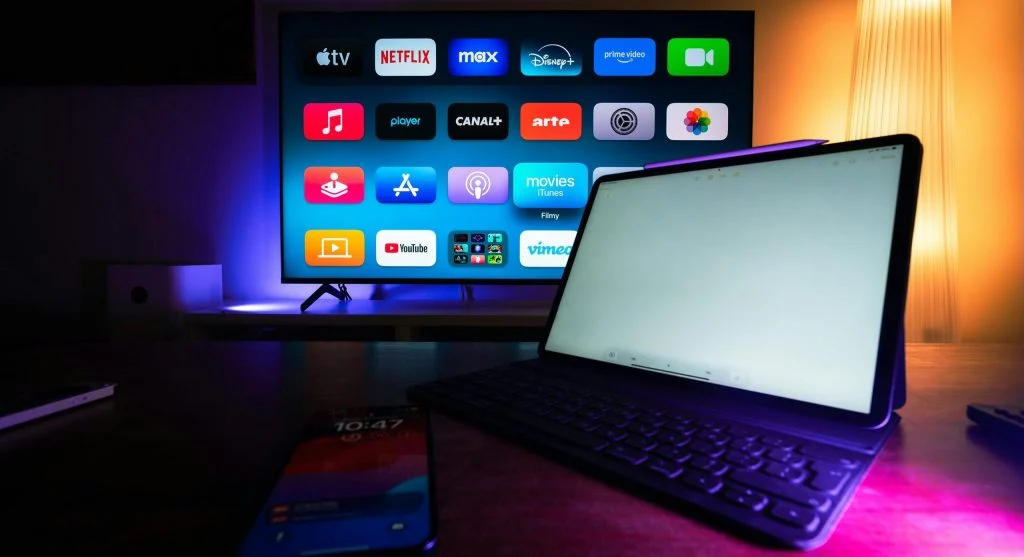
Why standby power is easy to overlook
Standby power is easy to overlook because it often feels invisible and harmless. A digital display looks small. A charger feels inactive when nothing is being used. A console or printer may appear fully at rest. In daily life, these devices fade into the background, so the home stops thinking about them as ongoing electricity users.
Behavior researchers often explain that people pay more attention to actions than states. Turning something on feels like a decision. Leaving it connected feels passive, even though it can still shape energy use over time. This mental gap is one reason standby habits can continue unchanged for years without much review.
That is why simple awareness matters so much. Once households begin noticing which devices stay quietly active in the background, their energy routine often becomes easier to understand.
How standby habits often build across multiple rooms
Standby use becomes more important when it spreads across the whole house. One room may have a television box and speaker. Another may have a printer and computer accessories. The kitchen may have a microwave clock, coffee machine display, and plugged-in chargers. Bedrooms may hold bedside charging stations, smart speakers, or extra electronics that remain connected continuously.
Home efficiency advisers often point out that the real pattern is rarely in one room alone. It develops through many small defaults across many spaces. This is why small appliance standby habits are often underestimated. Each item seems too small to matter, but the home is usually adding them together without meaning to.
This whole-house view matters because it shows how background use becomes part of everyday electricity routines rather than a single isolated detail.
Why standby habits can matter even more in low-use rooms
Standby habits are often especially wasteful in rooms that are used only occasionally. A guest room with plugged-in electronics, a home office used a few days a week, or a spare room holding connected devices may keep drawing some power even when almost no one enters the space. That makes the energy use feel less purposeful than standby demand in a room used every day.
Energy specialists often explain that this is one of the clearest places where lower power waste can begin. If a room is quiet most of the time, its background demand deserves closer attention. A device that is practical in an active room may become unnecessary in a room with light or occasional use.
This is why room-by-room awareness often helps. It reveals where the habit is still serving real convenience and where it is only continuing by default.

What experts recommend households notice first
Experts usually recommend starting with visibility. A household can look for glowing lights, clocks, always-on chargers, entertainment equipment, and devices that stay plugged in mainly out of habit. The goal is not to unplug everything instantly. The goal is to identify which devices are truly needed in ready mode and which ones are simply continuing without much benefit.
Energy advisers also suggest paying attention to clusters of devices that share one area. A power strip in a media corner, a charging shelf in the kitchen, or a desk full of accessories may reveal a stronger standby pattern than any one item alone. These clusters often show where small appliance standby habits are shaping electricity use most clearly.
This practical review often works better than guessing. Once the background pattern is visible, smarter choices become easier to make.
Why small appliance standby habits fit practical home energy planning
Practical home energy planning works best when it looks at the quiet routines as well as the obvious ones. Small appliance standby habits fit that idea because they are easy to miss, repeated every day, and often flexible enough to improve without disrupting the household. A home does not need to eliminate every convenience to reduce lower power waste. It often only needs to see where convenience has become automatic without review.
Energy researchers often explain that the strongest improvements are often the ones tied to habits that repeat across years. Standby behavior is a good example because it affects home energy use slowly and continuously. Once the household notices which devices stay active by default, it becomes easier to choose a more intentional pattern.
That is why small appliance standby habits matter more than they first appear. They show how everyday electricity routines are shaped not only by what a household uses, but also by what it quietly leaves running in the background.
Frequently Asked Questions
Q: What are small appliance standby habits?
A: They are the daily routines around leaving small electronics and appliances plugged in or in ready mode even when they are not actively being used.
Q: Why do standby habits affect home energy use?
A: They affect home energy use because many devices keep drawing some electricity in the background for long periods of time.
Q: Are standby devices a big problem on their own?
A: Usually each one is small, but experts often explain that the combined effect across many devices and many hours can become meaningful.
Q: What should households notice first?
A: A useful first step is looking for always-on displays, chargers, and clusters of electronics that stay connected mainly out of habit.
Key Takeaway
Small appliance standby habits can affect home energy use more than expected because many quiet background devices add steady electricity demand across the whole day. Experts often explain that lower power waste depends not only on big appliances, but also on everyday electricity routines that repeat without much attention. The strongest improvement often begins with simply noticing what stays on in ready mode. Understanding small appliance standby habits helps households build a more intentional and efficient home energy pattern.