
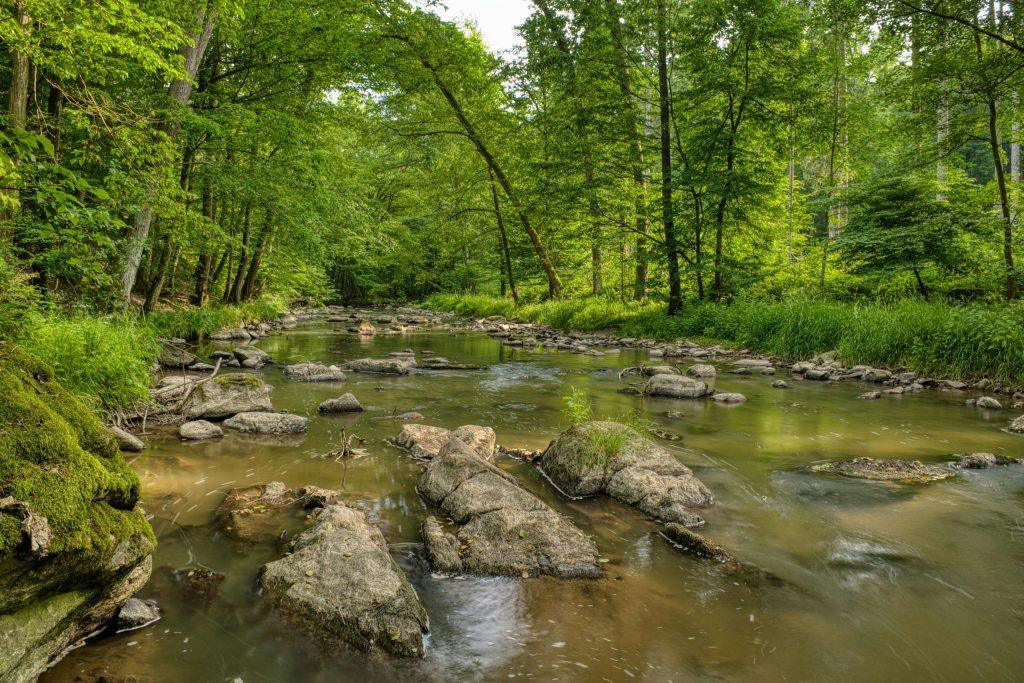
Forests that are in good health are about much more than just being pretty to look at or places to go for fun. They are home to animals, safeguard our water supplies, act as a reservoir for carbon, and are a great help to towns and cities close by in dealing with hot temperatures, flooding and eroding earth.
Experts in forest health, water management and the variety of life, often talk about forests as being all linked together as one, rather than just collections of trees. And if a forest has a lot of different life in it and is doing well, the good effects of that are found well past the edge of the trees themselves.
1. Healthy forests provide habitat for many species
Forests are home to birds, insects, mammals, reptiles, fungi and a huge number of tiny creatures, and all of them rely on the forest’s many levels. The tops of the trees, the fallen leaves, the roots below ground, and decaying wood are all important. Various animals use different areas of the forest at different times of the day or year.
Looking after all the different kinds of life in a forest isn’t just about the number of trees. Importantly, how old the trees are, how many different types of plants are growing, and how long a habitat has been around all influence how much life the forest can hold.
2. Healthy forests help protect clean water
Because of their roots, soil is better at soaking up rain, which means less water washes off the land and a more consistent flow of water into streams and rivers. Also, forests act as a natural cleaning system, removing particles and contaminants from the water before it gets to rivers and streams.
When forests aren’t broken up, the watershed (all the land draining to a certain point) is healthier; there’s less erosion, and the way water travels is more predictable. This is really important for animals, people, and towns further down the river.
3. They reduce soil erosion
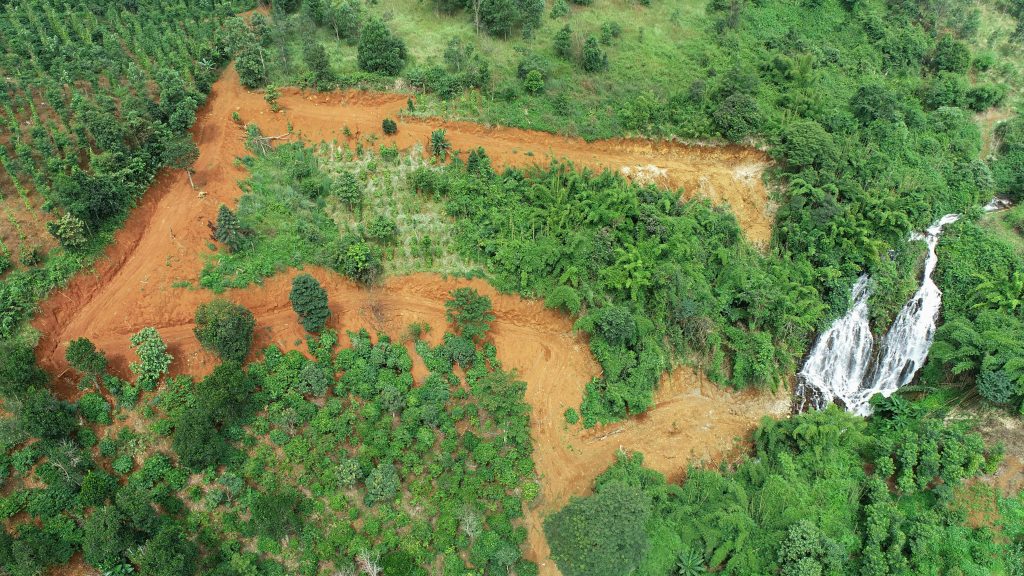
Roots from trees keep the soil from moving, and leaves and things growing on the ground soften how hard the rain hits. If we didn’t have that to shield it, the rain would wash the soil away much faster in a big storm.
People who are in charge of looking after the land will tell you erosion is bad for both natural environments and things we’ve built. Specifically, it hurts farms, blocks rivers and streams, and makes flooding more likely.
Credit: Doan Phuong / Pexels
4. Healthy forests can lower local heat
Trees offer shade and put water vapor into the air, and this actually lowers temperatures in the immediate area. Around towns and cities, places with lots of trees are generally cooler than places covered with concrete or where all the trees have been cut down.
People who work on adjusting to a changing climate frequently emphasize that having enough trees is an easy, yet vital step in lessening the effect of extreme heat. And staying cooler at a local level is important for people, animals, and the health of our streams, lakes and other waterways.
5. They help store carbon over time
Forests that are in good shape actually keep carbon inside the trees themselves (in their trunks and branches), in the roots, and in the ground. Because of this, and because well-established forests exist for ages, they are a big factor in how we plan to protect the environment – they can lock up lots of carbon for a very long time.
However, scientists are quick to point out that the amount of carbon they hold depends on the forests being healthy. If they’re harmed by things like wildfires, insects, or if the land is cleared, that long-term advantage is lessened.
6. Forests can reduce flood pressure
While forests cannot stop all floods, they can help slow runoff and increase water absorption. This can lower sudden pressure on nearby streams after rainfall.
Hydrology experts note that intact land cover matters most when paired with broader watershed planning. Healthy forests are one useful layer of flood resilience.
7. Healthy forests support pollinators and food webs
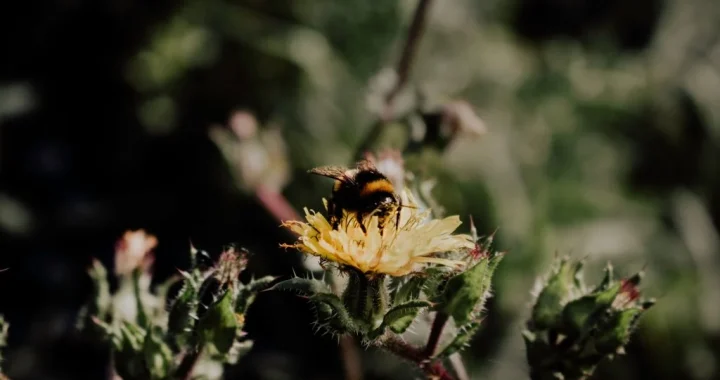
Lots of creatures that pollinate (things like bees and butterflies) need the edges of forests, flowers, and places where nature is left alone. These insects, in turn, provide food for birds and other animals further up the food chain. Because of this, forests are valuable for much more than just the land they actually cover.
Ecologists will tell you that even little gaps in where things can live can change how food moves through an ecosystem. And a forest that stretches on and on, with lots of different species in it, is generally one that works in a healthier, more robust way.
8. They help communities through recreation and recovery
Forests let us go for walks, learn things in the open air, support local trips and holidays, and really calm our minds. People who work for the government managing public land frequently point out that having parks and woodland around enhances how people live in towns and cities close by.
You get the most from these good things when forests are looked after to keep animals and plants safe, but with a sensible amount of public access. It’s all about finding the right equilibrium.
9. Forest health supports long-term environmental stability
Forests in good shape are linked to our water supply, the animals that live in them, the earth beneath the trees, the weather, and how people do. If one aspect of a forest starts to suffer, other things get harder on it too. Because of this, protecting forests is frequently included in much larger plans for living sustainably.
Most people who study the environment would say that having good, robust forests isn’t simply about preserving them. It’s about how well they can bounce back, keeping people in the surrounding areas safe, and the health of the whole natural environment over many years.
Frequently Asked Questions
Q: Why are healthy forests important for wildlife?
A: They provide shelter, food, nesting areas, and connected habitat for many species across the food web.
Q: How do forests protect water quality?
A: Forest soils and roots help absorb rainfall, reduce erosion, and filter runoff before it reaches streams and rivers.
Q: Can healthy forests reduce climate risk?
A: They can help store carbon, lower local heat, and reduce some flood pressure, although they work best as part of broader environmental planning.
Key Takeaway
When forests are in good shape, they’re home to animals, provide us with pure water, make areas around them less hot, and create hardier environments overall. They safeguard the earth beneath our feet, hold a lot of carbon, and are useful to towns and people living near them. People who know about these things think of looking after forests as being good for the environment and for people. Appreciating all that healthy forests do makes it clear they’re important for much more than just the trees themselves.