
Salt marshes are one of the most important habitats along many coasts because they help slow floodwater, support birds and marine life, and improve how water moves through the shoreline environment. From a distance, they may look like simple grassy wetlands, but experts often describe them as highly active living systems that protect and support the coast in several ways at once.
Coastal ecologists, water quality researchers, and shoreline planners often explain that salt marshes matter because they sit between land and sea. That position allows them to absorb pressure from tides, hold sediment, and create habitat for many species that depend on shallow coastal areas for feeding, nesting, and shelter.
Why salt marshes matter in coastal ecosystems
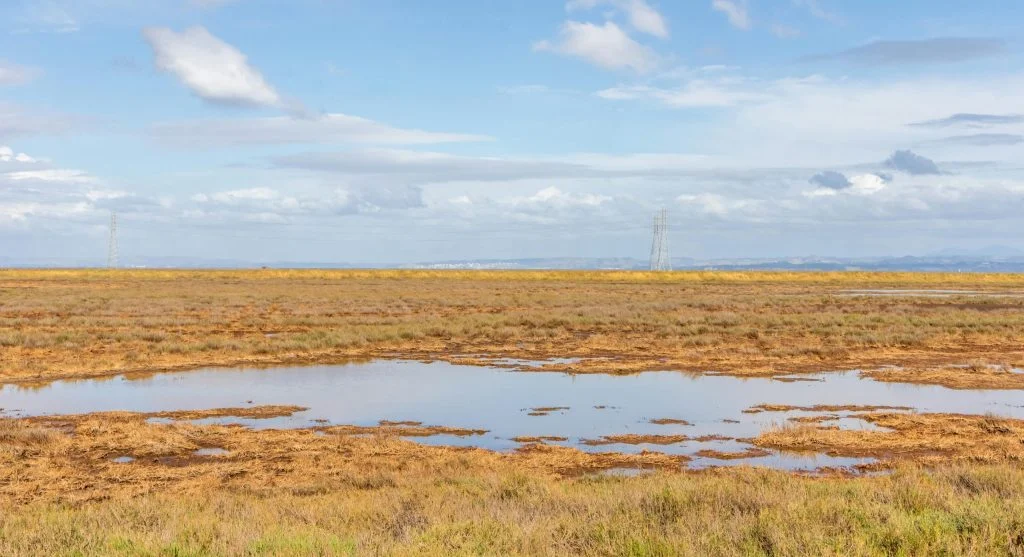
Salt marshes matter because they are part of the transition zone where coastal water meets low-lying land. They are shaped by tides, shallow channels, mud, and salt-tolerant plants that can survive in conditions many other plants cannot. This makes them different from inland wetlands and especially important in estuaries and tidal shorelines.
Coastal habitat researchers often explain that salt marshes act like living buffers. They are not just open spaces beside the water. They are working habitats that slow wave energy, trap sediment, support young marine life, and give birds a place to rest, feed, or nest depending on the season.
This is why salt marshes are often described as foundation ecosystems. Their value comes from how many processes they support at the same time, not from any one feature alone.
How salt marshes support coastal birds
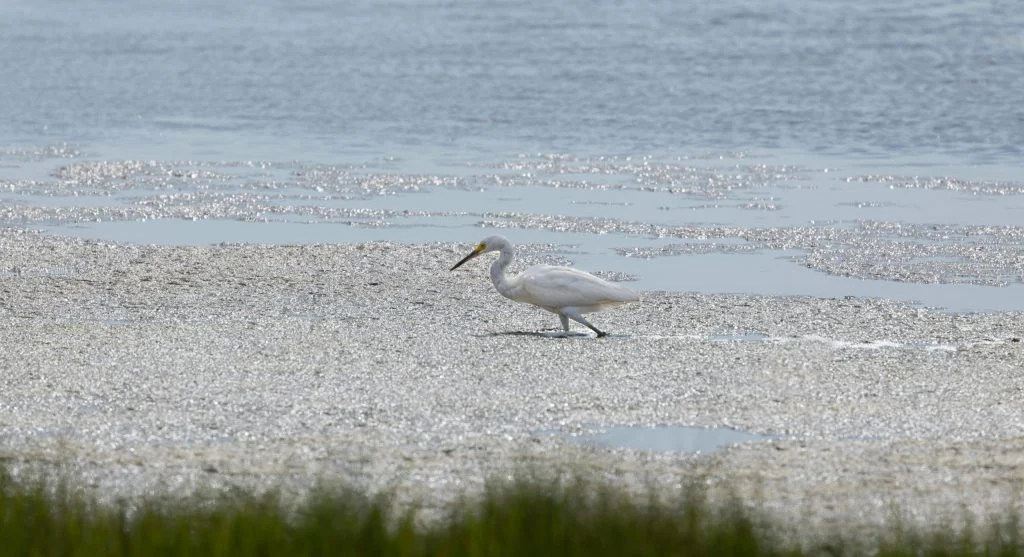
Coastal birds depend on salt marshes because these habitats provide food, shelter, and breeding space. Shallow water, muddy edges, plant cover, and open tidal flats all create different feeding opportunities for different species. Some birds search for small fish or insects. Others depend on the marsh for nesting cover or safe resting areas during migration.
Wildlife biologists often note that salt marshes are especially valuable for birds because the habitat changes with the tide. A single marsh can offer feeding grounds at low tide and more protected water or grass cover as the tide rises. This shifting pattern supports a wide range of bird behavior through the day and across the year.
That is why coastal birds are often treated as one of the clearest signs of marsh health. When marsh habitat is strong, bird use is often easier to see and more diverse.
Why salt marshes help with flood protection
Flood protection is one of the most practical reasons salt marshes matter to coastal communities. During high tides and storm events, marsh vegetation and wet ground can help slow incoming water and reduce how quickly it moves across the shoreline. This does not stop every flood, but it can reduce the force of water reaching inland areas.
Shoreline planners often explain that salt marshes help by spreading water over a rough, vegetated surface instead of allowing it to move directly across hard exposed ground. The grasses and wet soils absorb some of the energy that would otherwise strike the coast more sharply. This can help reduce erosion and support more balanced shoreline movement over time.
This is one reason salt marshes are often discussed as natural coastal protection. They do not act like walls, but they still help reduce pressure on the shore in valuable ways.
How salt marshes support cleaner water
Cleaner water is another major benefit linked to salt marshes. As water moves through a marsh, plants and sediments can help slow its flow and trap suspended material that would otherwise stay moving through the system. This helps support clearer conditions in nearby channels and estuaries.
Water quality researchers often explain that salt marshes are useful because they influence both water speed and sediment behavior. Slower movement gives particles more time to settle, while marsh plants help hold those sediments in place. This does not solve every water quality problem, but it can make a meaningful difference in how coastal water behaves.
That is why salt marshes are often linked to cleaner water in larger estuary systems. Their effect starts at the shoreline but extends into the broader coastal environment.
Why salt marsh plants are so important
The plants growing in salt marshes do much of the physical work that keeps the habitat stable. Their roots hold sediment together, their stems slow moving water, and their presence helps create the layered marsh surface that many animals depend on. Without strong vegetation, the marsh becomes more vulnerable to erosion and breakdown.
Coastal ecologists often explain that salt marsh plants are adapted to hard conditions. They can survive in salty soils, shifting water levels, and regular tidal flooding. That ability makes them especially valuable in places where ordinary land plants would fail. These grasses and low plants are a major reason the marsh can function as a protective shoreline habitat.
This is why plant loss in a marsh often signals broader stress. When the vegetation weakens, many other marsh functions begin to weaken too.
What threatens salt marshes over time
Salt marshes can be damaged by coastal development, polluted runoff, altered water flow, dredging, and shoreline hardening that blocks the natural movement of sediment and tides. Because marshes depend on a delicate balance of water, plants, and sediment, even gradual changes can weaken the whole habitat over time.
Marine and coastal researchers often explain that marsh loss is often slow at first. A small change in elevation, water quality, or plant cover may not seem dramatic, but repeated pressure can eventually lead to erosion, habitat loss, and weaker flood protection. Once the marsh surface begins to break apart, recovery can be difficult.
This is one reason protecting salt marshes often matters more than trying to rebuild them after severe damage. Healthy marshes take time to develop and cannot be replaced quickly.
What experts recommend for protecting salt marshes
Experts usually recommend protecting tidal flow, reducing polluted runoff, limiting direct shoreline damage, and allowing marsh plants and sediments to function naturally where possible. Since salt marshes depend on movement between land and water, the goal is often to keep that connection working rather than cutting it off.
Coastal planners also emphasize that salt marshes should be treated as active infrastructure as well as wildlife habitat. They support flood protection, cleaner water, and coastal birds in one connected system. Protecting them is not only about conserving scenery. It is also about helping shorelines remain healthier and more resilient under pressure.
Salt marshes matter because they support both nature and coastal communities. Their quiet work becomes most visible when storms, tides, and daily shoreline life all depend on the stability they provide.
Frequently Asked Questions
Q: What are salt marshes?
A: Salt marshes are coastal wetlands with salt-tolerant plants that grow in shallow tidal areas between land and sea.
Q: Why are salt marshes important for coastal birds?
A: They provide feeding areas, nesting cover, shelter, and seasonal resting habitat for many bird species.
Q: How do salt marshes help with flood protection?
A: Experts often explain that marsh grasses and wet ground help slow incoming water and reduce some shoreline pressure during storms and high tides.
Q: Do salt marshes improve water quality?
A: Yes. They can help support cleaner water by slowing flow and trapping some sediment before it moves farther through the coastal system.
Key Takeaway
Salt marshes matter because they support coastal birds, flood protection, and cleaner water in one connected shoreline habitat. Experts often explain that these wetlands slow water, trap sediment, and create living space for many species that depend on healthy coasts. Their value is ecological and practical at the same time. Understanding salt marshes helps show why healthier shorelines often rely on protecting the wetlands already working along the water’s edge.