
Credit: RODNAE Productions / Pexels
Why Indoor Moisture Makes a Home Feel Heavier
Moisture is one of the main reasons drying laundry can affect indoor comfort. As wet clothing dries, water moves into the air. During a cool or mild season, this may not feel like a major issue. In warm weather, however, it can make a room feel more humid, less fresh, and slower to recover.
Indoor environment researchers often explain that moisture changes the way heat feels. A room may not be extremely hot, but it can still feel stuffy or uncomfortable if humidity rises. This is one reason laundry drying can affect comfort even when the heat source itself seems fairly small.
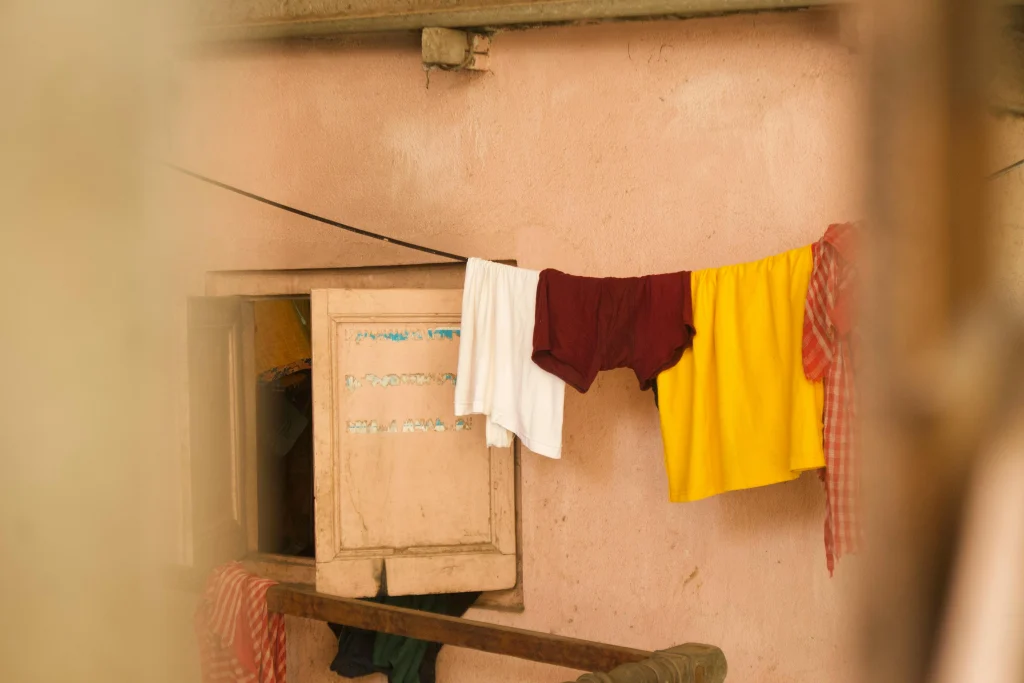
Drying clothes earlier in the day can help because moisture released in the morning often has more time to spread out through ventilation or changing indoor conditions before evening comfort becomes more important.
How Laundry Timing Affects Lower Energy Waste
Lower energy waste often depends on avoiding extra pressure during the busiest and warmest hours of the day. If drying clothes adds heat and humidity in the late afternoon, households may respond by using more cooling, running fans longer, or increasing ventilation later in the day. This may not always happen in an obvious way, but the pattern can still increase energy demand.
Energy advisers often note that timing is one of the simplest parts of household efficiency. A task done earlier may still use the same basic process, but it can reduce the need for other systems to work harder later. In this way, drying clothes earlier in the day may support lower energy waste indirectly through better comfort timing.
This is especially useful during hot periods when cooling demand is already high and the household is trying to avoid unnecessary overlap between indoor heat sources.
Why Drying Clothes Later Can Feel Harder on Warm Evenings
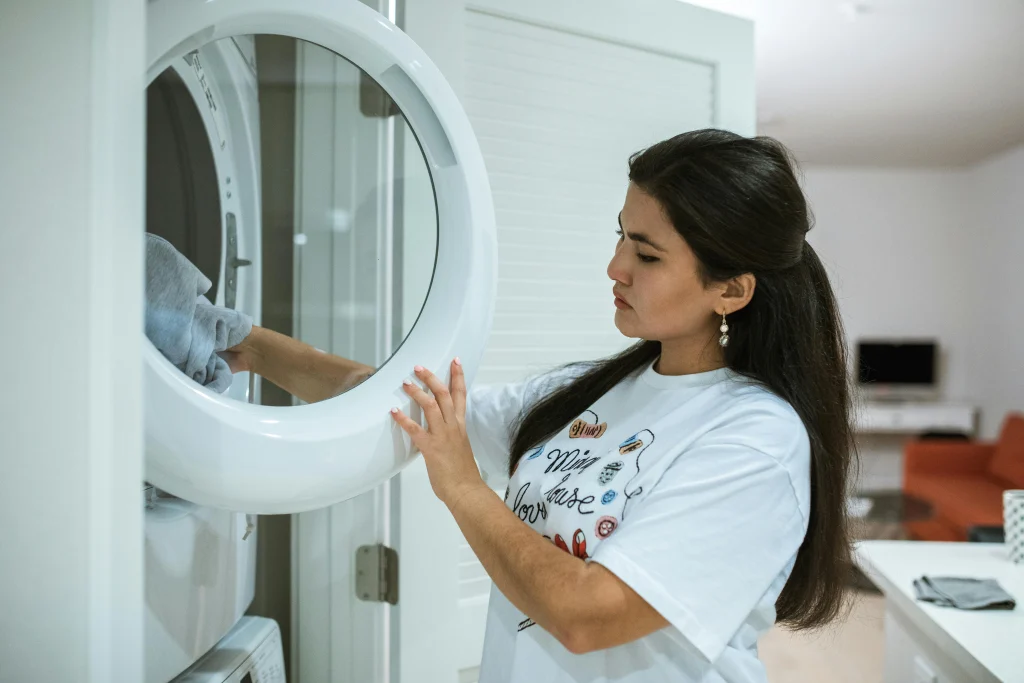
Evening often feels like a convenient time to do laundry, but warm evenings do not always give the home much indoor relief. If the house is already holding heat from the day, adding damp laundry air or appliance warmth can make recovery slower. Bedrooms, hallways, or upper rooms may feel less comfortable by bedtime if the indoor air stays heavy.
Comfort specialists often explain that households rely on evening cooling to help reset the home before morning. When clothes are dried too late, especially indoors, it may slow that reset. This can affect sleep, room freshness, and how manageable the house feels overnight.
That is why laundry timing matters beyond the laundry area itself. Its effect can spread into the overall evening comfort of the home.
Credit: cottonbro studio / Pexels
Frequently Asked Questions
Q: Why does drying clothes earlier in the day help a home feel cooler?
A: It helps because heat and moisture from drying have more time to clear before the hottest hours of the day build up indoors.
Q: Does indoor drying affect comfort even without a dryer machine?
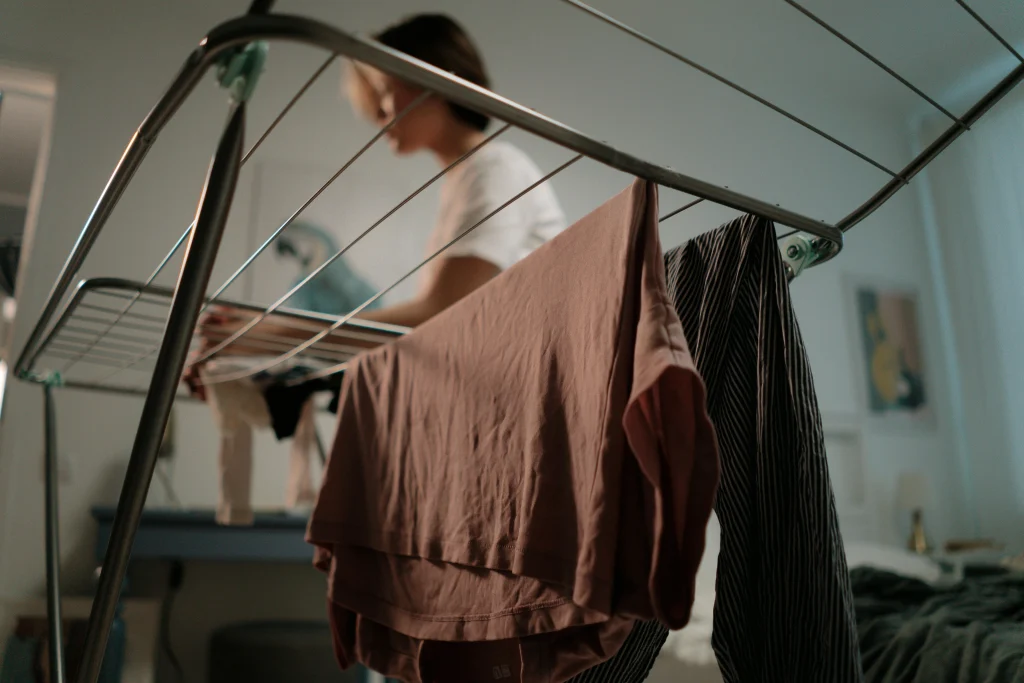
A: Yes. Experts often explain that wet clothes drying indoors can still release moisture that makes a room feel heavier and less comfortable.
Q: Is laundry timing really important in hot weather?
A: Yes. Laundry timing can affect how much indoor heat and humidity overlap with other warm-weather comfort problems later in the day.
Q: What should households watch first?
A: Useful signs include stuffy laundry spaces, humid-feeling rooms after drying, and weaker evening comfort after late-day laundry.
Key Takeaway
Drying clothes earlier in the day can help homes feel cooler indoors because it reduces how much heat and moisture build up during the hottest hours. Experts often explain that smarter laundry timing supports better indoor comfort and may also help lower energy waste by reducing overlap with cooling demand. The task stays the same, but the timing changes how the home experiences it. Understanding drying clothes earlier in the day helps households build more practical warm-weather routines.