
Seagrass meadows are underwater flowering plants that grow in shallow coastal areas where sunlight can reach the seabed. They may look quiet and simple from above, but marine scientists often describe them as some of the most valuable coastal habitats because they help support cleaner water, shelter wildlife, and stabilize the seafloor.
Marine ecologists, coastal planners, and water quality researchers often explain that seagrass meadows matter because they connect several parts of the coastal system at once. They influence sediment movement, provide habitat for fish and invertebrates, and help shape conditions that support healthier coastal life over time.
Why seagrass meadows matter in coastal ecosystems
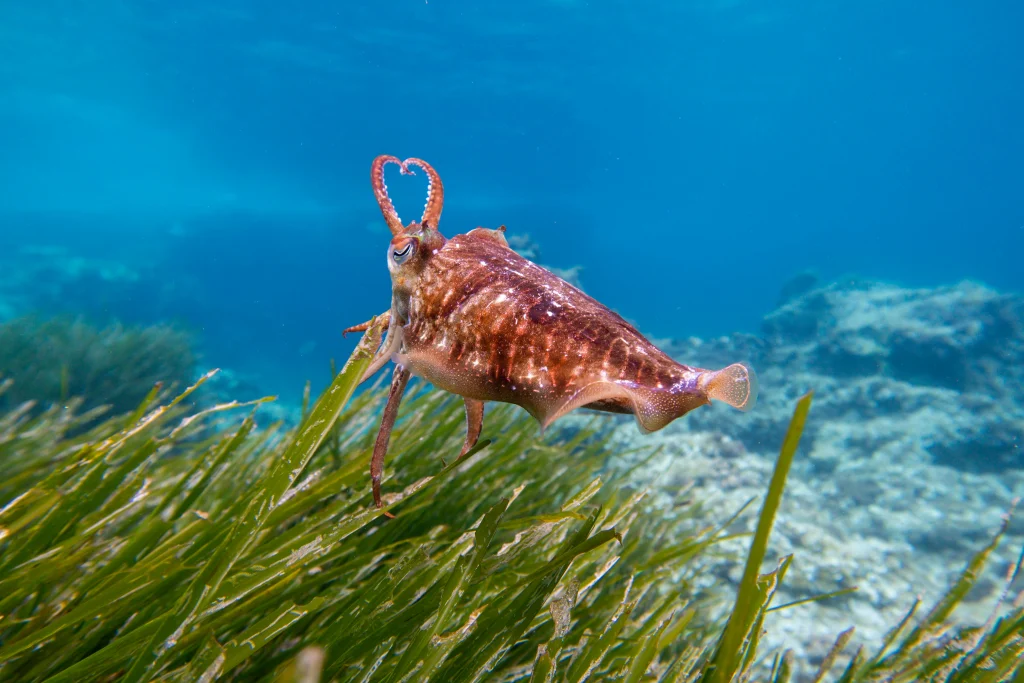
Seagrass meadows matter because they create structure in areas that might otherwise be open seabed. Their leaves slow water movement, their roots hold sediment in place, and their presence changes how the coastal environment functions. This makes them more than underwater plants. They help organize the habitat around them.
Marine habitat researchers often explain that coastal ecosystems depend on connected spaces rather than isolated features. Seagrass meadows often sit between open water, estuaries, shorelines, and reef or mudflat habitats. That position gives them an important role in supporting movement, feeding, and shelter for many species.
This is one reason experts often call seagrass meadows foundation habitats. They help make surrounding marine life possible by creating stable conditions in shallow water.
How seagrass meadows help support cleaner water
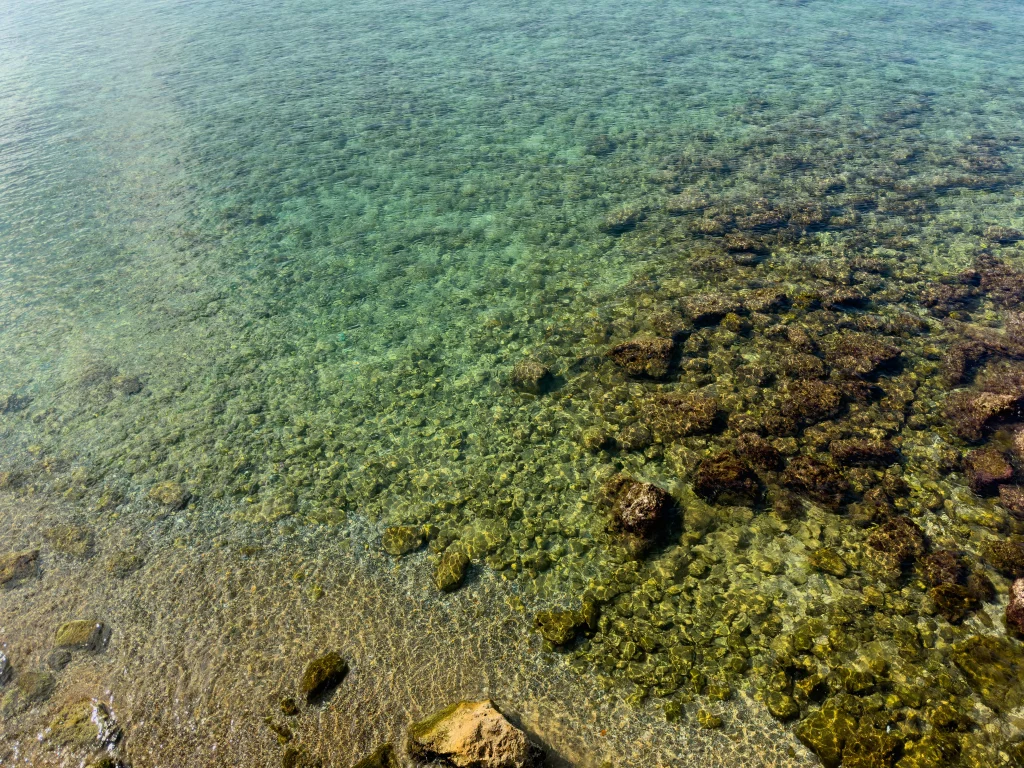
Cleaner water is one of the clearest benefits linked to seagrass meadows. The leaves slow water movement enough to help suspended sediment settle instead of staying stirred up in the water column. When less sediment remains floating, coastal water can stay clearer and more stable for other forms of life.
Water quality researchers often note that seagrass meadows are especially useful in shallow areas where waves and currents can easily disturb the seabed. By reducing movement near the bottom, the plants help support cleaner water conditions over time. Clearer water can also allow more sunlight to reach the meadow itself, which further supports the habitat.
This creates a helpful feedback pattern. Healthy seagrass meadows can support cleaner water, and cleaner water can help the seagrass stay healthy.
Credit: Engin Akyurt / Pexels
Credit: Pawel Kalisinski/ Pexels
Frequently Asked Questions
Q: What are seagrass meadows?
A: Seagrass meadows are underwater flowering plant habitats that grow in shallow coastal waters where sunlight can reach the seabed.
Q: Why do seagrass meadows help create cleaner water?
A: They slow water movement and help sediment settle, which can reduce cloudiness and support clearer coastal conditions.
Q: Why are seagrass meadows important for wildlife?
A: They provide shelter, feeding areas, and nursery habitat for many fish, shellfish, and other coastal species.
Q: What threatens seagrass meadows most?
A: Experts often point to polluted runoff, dredging, coastal development, physical disturbance, and poor water clarity as major threats.
Key Takeaway
Seagrass meadows matter because they support cleaner water, healthier coastal life, and stronger shoreline balance in shallow marine habitats. Experts often explain that these underwater plant systems help settle sediment, stabilize the seabed, and provide shelter for many species. Their value reaches far beyond the meadow itself into the wider coastal ecosystem. Understanding seagrass meadows helps show why healthier coasts often depend on protecting the habitats just below the surface.