
Street trees do more than provide shade or improve how a neighborhood looks. They also help rainwater soak into the ground more easily after storms by slowing runoff, supporting soil structure, and reducing how quickly water moves across paved surfaces. In areas filled with roads, driveways, and sidewalks, that role can make a meaningful difference.
Urban planners, arborists, and water management specialists often point out that stormwater issues don’t start only at rivers or drainage systems. They often begin right on everyday streets, where rain hits hard surfaces and has nowhere to go. Street trees help shift that pattern by making the ground around them more effective for managing water locally.
Why street trees matter during rainy weather
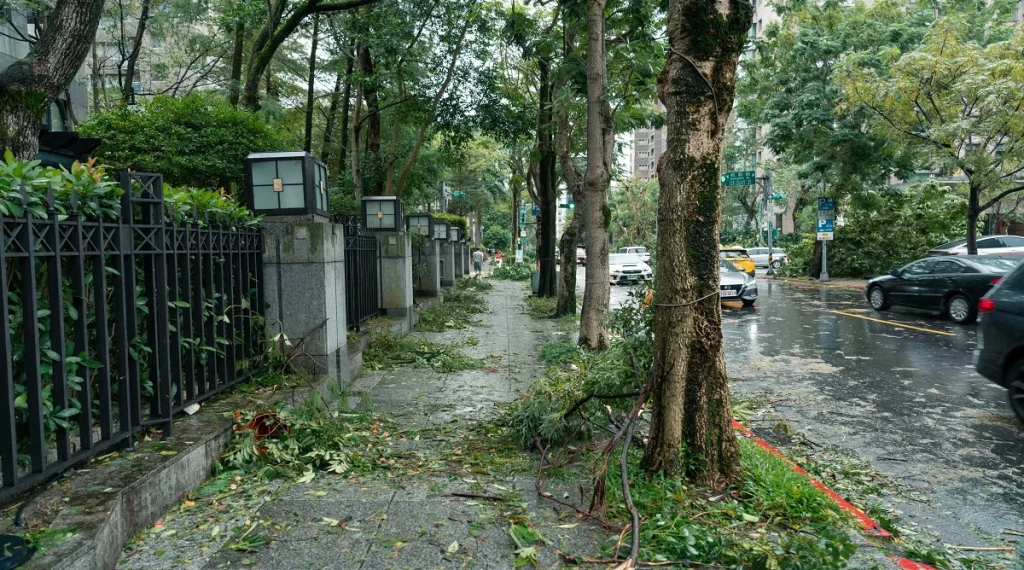
Rain behaves differently depending on the surface it lands on. On pavement, water tends to run off quickly instead of soaking in. This fast movement can lead to puddles, added pressure on storm drains, and temporary flooding in low-lying areas. Street trees help interrupt that flow in small but repeated ways across a neighborhood.
Water specialists often explain that a single tree won’t solve drainage problems on its own. The real impact comes when many trees are spread throughout an area. Together, they break up continuous hard surfaces, support healthier soil near curbs, and create small zones where water can slow down instead of rushing straight into the street.
This is why experts often describe street trees as part of everyday infrastructure. They are living elements that help neighborhoods handle rainfall more effectively, not just visual additions.
How street trees help rainwater soak in more easily
Street trees improve how rainwater soaks into the ground by changing what happens at the surface. Their roots gradually improve soil structure, making it more open and better able to absorb moisture. Leaves and other organic matter also contribute to healthier soil conditions around the base of the tree.
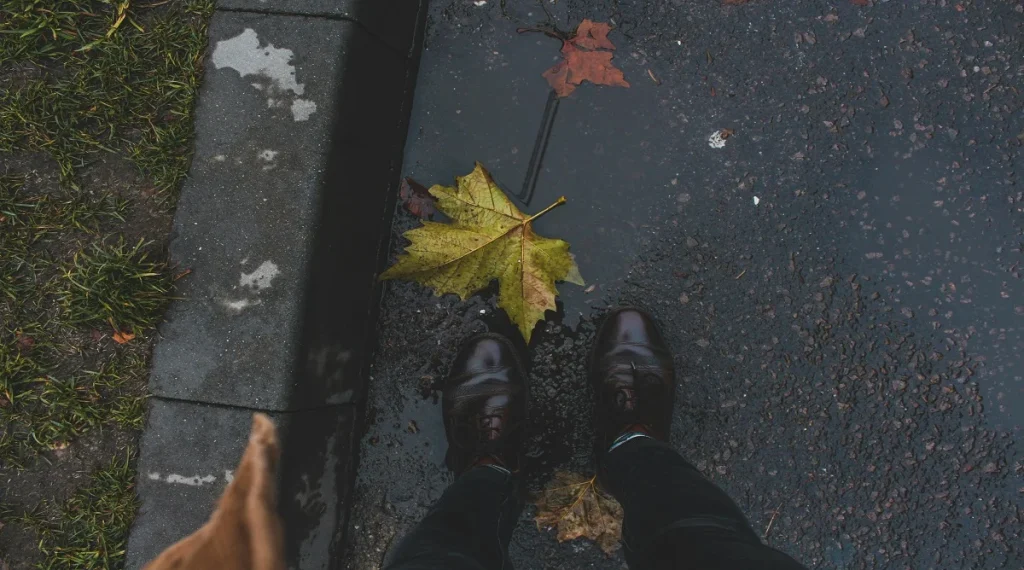
Arborists and soil researchers often note that compacted soil is a major barrier in urban areas. Construction, traffic, and regular use can press the ground down, limiting its ability to absorb water. Tree roots help loosen and stabilize that soil over time, creating pathways that allow water to move into the ground instead of running off immediately.
This is why street trees are often linked to better drainage in neighborhoods. They support soil conditions that let more water soak in rather than remaining on the surface.
Credit: Czapp Árpád / Pexels
Why tree roots matter for neighborhood drainage
Tree roots play an important role in drainage because they create small channels and spaces in the soil where water can move more naturally. A healthy root system also helps hold soil in place, reducing erosion and keeping the ground more stable around sidewalks and curbs.
Environmental planners often explain that drainage improves when the landscape shares some of the work usually handled by pipes and gutters. Root systems don’t replace built infrastructure, but they support it by helping the ground absorb part of the rainfall before it turns into runoff.
This is especially noticeable during steady, moderate storms. Streets may not flood heavily, but water can still collect quickly. Street trees help slow that process by giving more of the rain a chance to soak into the soil nearby.
How street trees slow runoff before it reaches drains
Street trees also help by slowing rainfall before it even reaches the ground. Leaves, branches, and trunks change how water falls and where it lands. Instead of hitting pavement all at once, rain may drip more gradually beneath the tree canopy.
Urban forestry experts often note that this effect spreads rainfall over time. Rather than a sudden surge into gutters and drains, some water is delayed and redirected toward tree pits, planting strips, or nearby soil. Even small delays like this can support local stormwater control when repeated across many streets.
The effect may seem minor in a single spot, but across an entire neighborhood, those small changes add up—especially in areas dominated by hard surfaces that shed water quickly.
Why paved neighborhoods need street trees more than expected
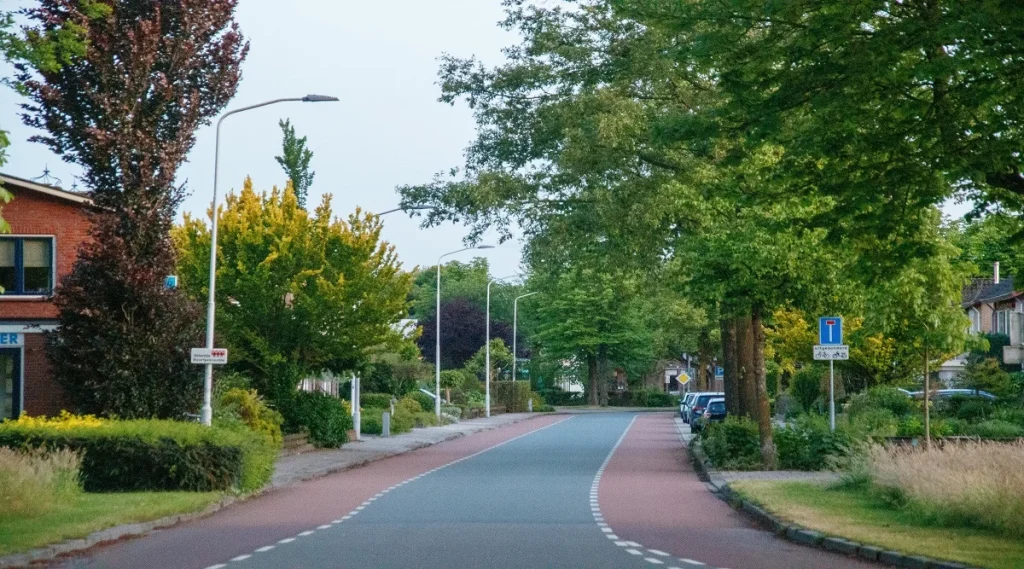
In places with limited open soil, street trees often become one of the few ways the land can still interact with water naturally. Roads, driveways, parking areas, and sidewalks cover much of the ground, leaving fewer opportunities for rain to soak in. Without enough trees or planted areas, runoff pressure tends to increase.
Water management researchers often point out that even small green features can make a difference in these environments. Street trees don’t need to form a dense canopy to be effective. Their value comes from being placed along streets, near curbs, and beside pedestrian areas where water typically gathers.
This is one reason street trees are often included in city resilience planning. They help restore a small but important natural function in areas that would otherwise send most rainfall directly into built drainage systems.
Credit: Freek Wolsink / Pexels
What experts say makes street trees more effective
Experts often explain that the tree itself is only part of the solution—the space around it matters just as much. Tree pits that are too small, heavily compacted soil, or roots restricted by pavement can limit how much a tree can help with rainwater soaking in. When there’s healthier soil, enough room for roots to grow, and thoughtful curb design, the overall benefit improves.
Urban planners and arborists usually recommend treating street trees as part of a broader system that includes planting strips, permeable surfaces, and well-designed drainage. When these elements work together, neighborhoods tend to handle rainfall more smoothly than when each feature is considered on its own.
This is why careful placement matters. A tree with enough space to grow and develop strong roots often provides more long-term drainage value than one squeezed into a tight, stressed urban spot.
Why street trees support healthier local environments overall
Street trees offer more than stormwater benefits. They provide shade, make outdoor spaces more comfortable, support birds and insects, and improve how streets feel for walking. These added advantages strengthen the case for seeing them as practical infrastructure rather than simple decoration.
Local environment experts often point out that the most effective features serve multiple purposes. Street trees are a strong example they help with rainwater absorption, support local stormwater control, and improve everyday comfort all at once. This makes them especially valuable in built environments where space is limited.
Understanding how street trees support rainfall management helps explain why greener streets often lead to healthier neighborhoods. Their impact becomes especially clear after storms, when the difference between rapid runoff and slower absorption can affect the entire area.
Frequently Asked Questions
Q: Why do street trees help with rainwater?
A: Street trees help by slowing runoff, improving soil structure, and creating better conditions for rainwater to soak into the ground.
Q: Can street trees prevent flooding?
A: Experts often explain that street trees do not stop every flood, but they can help reduce local runoff pressure and support healthier neighborhood drainage.
Q: Why do tree roots matter for stormwater control?
A: Tree roots help open and stabilize the soil, which gives rainwater more ways to move into the ground instead of staying on the surface.
Q: Are street trees useful only for shade?
A: No. They also support local stormwater control, neighborhood comfort, habitat value, and healthier urban soil conditions.
Key Takeaway