


Small changes to laundry habits can make a meaningful difference in water and energy use because laundry is one of the most repeated tasks at home. Washing, drying, and sorting happen regularly—sometimes daily so even small inefficiencies can add up over time.
Home efficiency advisers, water specialists, and appliance researchers often point out that laundry routines matter more than many people realize. The biggest improvements usually come from better timing, smarter load sizes, and simple care habits rather than complicated rules. When the routine becomes slightly more efficient, those benefits tend to repeat throughout the month.
Why small laundry changes matter in everyday home routines
Laundry feels like a routine task, which is exactly why it has such an impact. Small habits that seem insignificant in the moment like running a half-full machine, adding an extra cycle, or using the dryer when air drying would work can lead to steady resource use over time.
Household resource specialists often explain that laundry uses both water and energy because multiple steps are involved. Washing requires both, and drying adds more demand if every load goes straight into the machine regardless of conditions like weather, airflow, or fabric type. That’s why small changes often improve several parts of the process at once.
This makes laundry one of the simplest areas to build practical, sustainable habits. It’s a routine that’s easy to see and adjust without major effort.
How small laundry changes help reduce water and energy waste
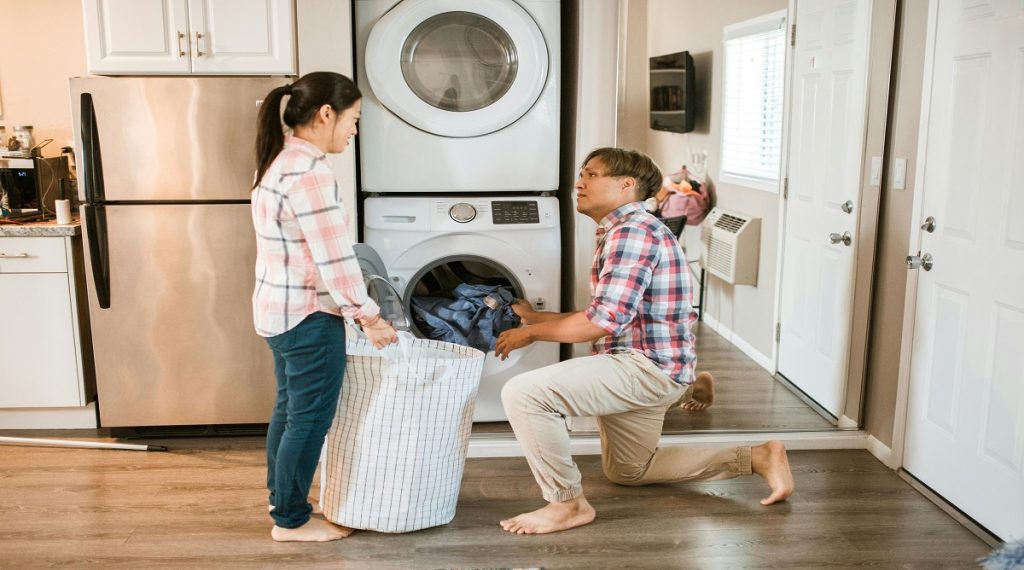
One of the most effective ways to reduce waste is to make each cycle more efficient. Running fuller loads without overfilling helps make better use of the water and electricity used in each wash. Instead of doing multiple small loads, combining items more thoughtfully can often achieve the same result with fewer cycles.
Efficiency experts often emphasize that frequency plays a key role. Several small loads spread across the week can use more resources than fewer, well-planned ones. The same principle applies to drying. When drying is matched to fabric needs and actual conditions, unnecessary energy use often drops.
Small laundry changes work because they reduce extra cycles before the routine becomes more demanding in time, water, and energy.
Credit: RDNE Stock project / Pexels
Why load size and timing shape efficient washing habits
Efficient laundry often starts before the machine is even turned on. When a household sorts clothes thoughtfully and waits for a practical load size, it can avoid running extra cycles. This matters most for lightly worn items or clothing that can reasonably wait another day without becoming a hygiene issue.
Appliance specialists often explain that timing plays a role because rushed laundry routines tend to lead to small but repeated mistakes. Clothes may be washed too soon, left in the machine and rewashed, or dried longer than needed simply because the process wasn’t planned. A steadier routine helps reduce these unnecessary steps.
This doesn’t require strict rules. It usually comes down to building a rhythm that fits how the household actually lives, instead of reacting to every small pile right away.
How temperature choices affect laundry resource use
Water temperature has a direct effect on how much energy a wash cycle uses. Not every load needs the same setting, and many everyday items don’t require the most energy-intensive options. Fabric type, how soiled the clothes are, and local care guidance all matter, but routines often become more resource-heavy simply because the same settings are used by default.
Home efficiency advisers often note that many households stick to one temperature setting out of habit rather than necessity. Making more deliberate choices can reduce energy use while still cleaning effectively. This is why small laundry changes often come from awareness, not expensive upgrades.
Choosing settings based on actual need instead of routine habit can make the process more practical and efficient over time.
Why drying habits matter as much as washing habits
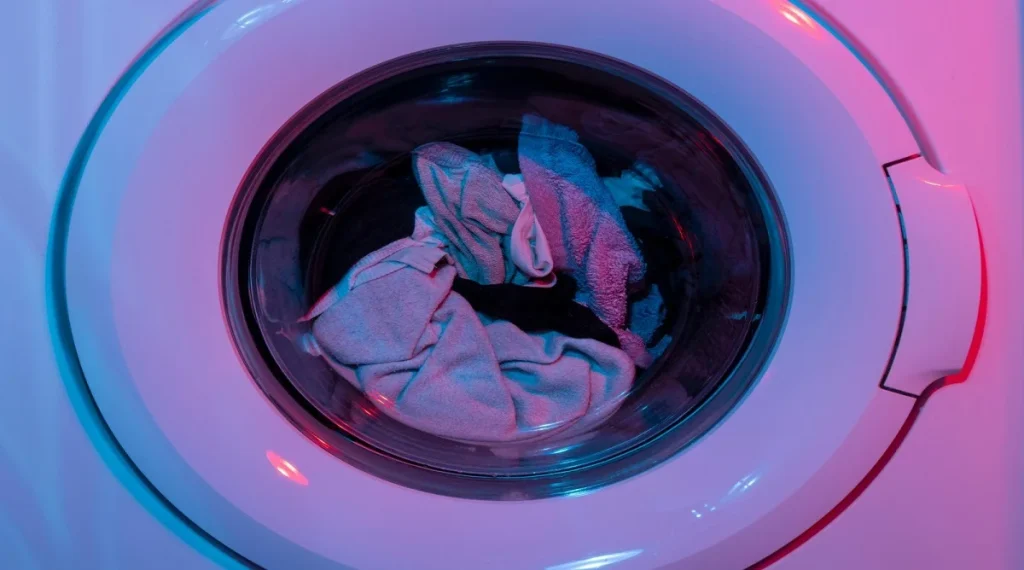
While washing gets most of the attention, drying also plays a major role in overall energy use. Heavy fabrics, long dryer cycles, and mixed loads that aren’t sorted by type can all increase demand. In some cases, part of a load can finish drying through natural airflow or shorter machine cycles instead of running everything through a full dry.
Household efficiency researchers often explain that drying habits are closely linked to weather, indoor airflow, and timing. Homes with good ventilation or outdoor drying options may have more flexibility than expected. Even when a dryer is needed, better sorting and timing can help prevent over-drying.
This is another example of how small adjustments can make a meaningful difference. The biggest gains usually come from repeated everyday decisions rather than major changes.
Credit: Engin Akyurt / Pexels
What experts recommend for a more efficient home laundry routine
Experts often suggest starting with the habits that happen most often. These include running fuller loads when it makes sense, avoiding unnecessary rewashing, choosing settings that match the type of clothing, and paying more attention to how drying fits into the day’s conditions. There’s no need to change everything at once small adjustments can already make a difference.
Water and energy specialists also highlight the importance of maintaining the laundry setup itself. A clogged lint filter, a disorganized laundry area, or rushed sorting can all make the process less efficient. A more organized space usually helps reduce repeated mistakes by making the routine easier to follow.
Small laundry changes tend to work best when they make the routine simpler, not harder. The habits that last are usually the ones that save resources while still fitting naturally into daily life.
Why small laundry changes add up over time
It’s easy to overlook laundry because each load feels routine. But because it happens so often, those everyday choices add up. Slight improvements in washing, drying, or scheduling may not seem significant in a single day, but their impact grows over weeks and months.
Sustainability educators often explain that reducing household waste and resource use usually comes from steady, practical changes rather than trying to be perfect. Laundry is a good example of this, showing how small shifts in timing, awareness, and habits can lower water and energy use without affecting comfort or cleanliness.
That’s why these small changes matter they turn a routine task into a simple, consistent way to use fewer resources in everyday life.
Frequently Asked Questions
Q: Why do small laundry changes matter so much?
A: They matter because laundry happens often, so even minor improvements in washing and drying can reduce repeated water and energy use over time.
Q: What is the easiest laundry change to make first?
A: Many experts recommend starting with better load planning so the machine runs less often for partly filled loads.
Q: Does drying really affect household energy use a lot?
A: Yes. Drying habits often add significant demand, especially when loads are over-dried or every item is machine dried by default.
Q: Do efficient washing habits make clothes less clean?
A: Not necessarily. Experts often explain that better settings and better timing can support cleaning effectively while still reducing waste.
Key Takeaway