
When it’s hot, how the air flows around your house is surprisingly important. Moving air affects how fast heat collects on and near the walls, windows, patios and inside the rooms. Lots of people only think about the temperature reading, but those who study this say that if outside heat is stuck and there’s not much breeze in the area, your home will feel unpleasant even if the thermometer hasn’t climbed a lot.
People who design buildings, research heat and plan for the environment consistently point out that how comfortable you are in the summer isn’t just about the sun. Air that circulates around the house lets heat escape, makes the air around doors and windows less thick, and makes it easier to cool the inside. Stagnant air is the problem; it means heat stays around the building and in the yard much longer.
Why local air flow around homes matters during warm periods
Heat hits your house in multiple ways. The sun heats up the roof, the walls, the windows and any paths or driveways around the house. Also, warmer air gets trapped in patios, the small spaces between buildings, in yards with fences, or anywhere the breeze doesn’t really get to. And how the air flows around the house is what matters in these situations.
Designers who think about the environment will say that moving air takes heat from surfaces and stops it building up in a single spot. When there isn’t a breeze, the house and the ground around it will simply continue to radiate heat into the immediate area. This is why doors, balconies, windows and places to sit outside are often still very hot in the evening.
This explains why hot weather feels particularly bad in places where the air isn’t circulating much. Even though the temperature might be the same as somewhere else nearby, the stillness makes the heat feel heavier, more pressing, and harder to get away from.
How trapped outdoor heat changes daily comfort
Heat gets stuck outside in areas where surfaces soak up sunshine, yet the air doesn’t have much space to circulate. Walls, driveways, patios, and particularly dark surfaces will hold onto heat throughout the day. And if the area around the house is blocked in or doesn’t have good airflow, this heat just gets hotter, not dispersing.
Experts who deal with heat usually say that people realize this is happening by how comfortable (or not!) they are, more than by reading a thermometer. You might find a living room is warmer than it should be, a patio is too hot to sit on in the evening, and even opening the windows doesn’t help, as the incoming air will be warm and still. All of these indicate that air isn’t moving well in the space around your home.
When heat accumulates around the house like this, it’s then much more difficult to get the inside cool without help. Consequently, you’ll probably start using fans earlier, the air conditioning will have to run for a longer time, or you’ll just be less comfortable at bedtime.
Credit: Pixabay / Pexels
Why neighborhood air movement affects one home more than expected
Most of the time, we consider airflow within a house, but what’s around it is important too. Air flows from one yard to another and is affected by buildings, fences, garages, trees, hedges, and patios. Sometimes the way streets are set out will help the air move through a neighborhood, or it will seem to stop and slow it down.
Researchers of cities and towns say a house doesn’t get cool by itself. A whole street with not much shade, lots of things that store heat, and not a lot of space for air to circulate, will mean each house gets a lot of heat. Conversely, if air is able to move easily through a neighborhood, all the homes in it are more comfortable.
That’s why you can have two houses that are almost exactly alike, but feel very different in the same hot weather. What they’re surrounded by, rather than just the inside of the house, is likely the cause of the difference.
How local air flow around homes supports better indoor cooling
It’s easier to cool a house if heat can get out of it instead of being stuck inside and all over the building. Air moving around the outside of your house can lower the temperature of the areas around windows, doors and exterior walls. This then makes it easier for a natural breeze to come in and cool things down during the cooler parts of the day, like mornings or evenings.
People who know about buildings are quick to point out that moving air isn’t a substitute for proper insulation or good air conditioning. However, it will help with both of those things. A house with very little air flow and heat that is hanging around will have a hard time cooling down, even if you do open the windows at the right time. Good airflow outside, though, will make opening your windows and getting a breeze a lot more useful.
Because of all this, how the air flows is really important in summer. It affects the conditions that your usual ways of being comfortable inside are based on.
What parts of a property often block useful airflow
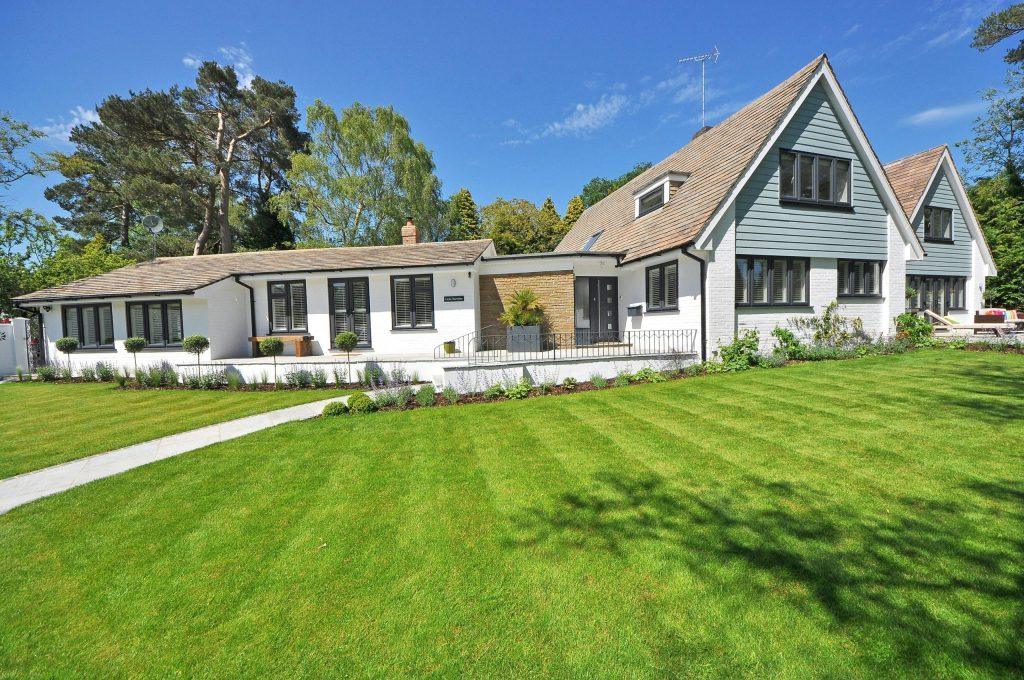
Several common features can slow air movement more than people expect. Solid fencing, crowded side passages, tall shrubs placed too tightly, heat-reflecting walls, and heavy paved surfaces can all affect how easily air circulates. In some homes, one enclosed section of the property may stay much warmer than the rest because the heat has nowhere to go.
Landscape and home comfort experts often recommend observing how air feels in different parts of the property at the end of a hot afternoon. If one side remains still, heavy, or much warmer than another, the layout may be holding heat rather than releasing it. This kind of practical observation often reveals airflow problems quickly.
Understanding these patterns can help households decide where comfort improvements may matter most.
Credit: Pixabay / Pexels
What experts recommend for better air movement around homes
Experts usually recommend focusing on both shade and spacing. Trees can help cool surfaces, but airflow should still be able to move through the property. The goal is not to remove all barriers. It is to avoid creating tight hot zones where air becomes trapped. In some homes, this means paying attention to dense planting, large solid fences, or heat-heavy paving close to the structure.
Home comfort specialists also recommend using timing wisely. Opening windows works best when outside air has started to cool and the surrounding area is not still holding the day’s heat. If air outside the home is stagnant and hot, ventilation may bring in less relief than expected.
Local air flow around homes matters because comfort is shaped by movement as well as temperature. Better air circulation can support cooler outdoor spaces, more effective evening ventilation, and a home environment that feels easier to manage during long warm periods.
Frequently Asked Questions
Q: Why does local air flow around homes matter in hot weather?
A: It helps move heat away from walls, windows, and outdoor spaces so warmth is less likely to stay trapped near the home.
Q: Can poor outdoor air movement make a home feel hotter?
A: Yes. Experts often explain that trapped outdoor heat can make nearby rooms, patios, and windows feel warmer for longer.
Q: What blocks useful airflow around a house?
A: Solid fencing, crowded plantings, paved areas, enclosed side spaces, and heat-holding walls can all reduce airflow.
Q: Does better airflow replace cooling systems?
A: No. It supports comfort and natural ventilation, but it works best alongside shade, insulation, and efficient cooling habits.
Key Takeaway
Local air flow around homes matters because moving air helps reduce trapped outdoor heat and supports better comfort during warm weather. Experts often explain that weak airflow can make homes and nearby outdoor spaces feel hotter even when the temperature itself is not unusually different. Better neighborhood air movement, careful layout, and smarter ventilation timing can all help. Understanding local air flow around homes helps households respond more effectively to long hot periods.