
Lots of homes lose energy and things we use without people realizing it, and the reasons are typically little things we do all the time. A light being on for ages, only partially filling the dishwasher or washing machine, or a little drip under the sink… each one doesn’t feel like much. But all those little things done over and over add up to a lot of waste.
Professionals who help with home improvement for energy use, with water, and with living sustainably say that waste in homes is generally down to what we always do, not because we’re ignoring things. And the best ways to improve are usually fairly basic adjustments to how we live. Plus, a house is normally easier to run when it’s more efficient.
1. Leaving lights and electronics running without purpose
We throw away a lot of energy and resources at home with things that are on when we don’t require them. For instance, lights in rooms nobody’s in, the TV being on with no one actually watching, or phone chargers left in the wall for ages are constantly using power.
Energy experts frequently say these things are important for the sheer amount of times we do them. One light on briefly isn’t a huge deal, but doing that repeatedly, in lots of rooms, day after day, uses far more energy than you might think.
Most families get better at this by getting into the easy habit of quickly looking at each room. It’s not about being overly careful, it’s about switching things off becoming a regular, almost unconscious, action.
2. Running laundry or dishwashers with very small loads
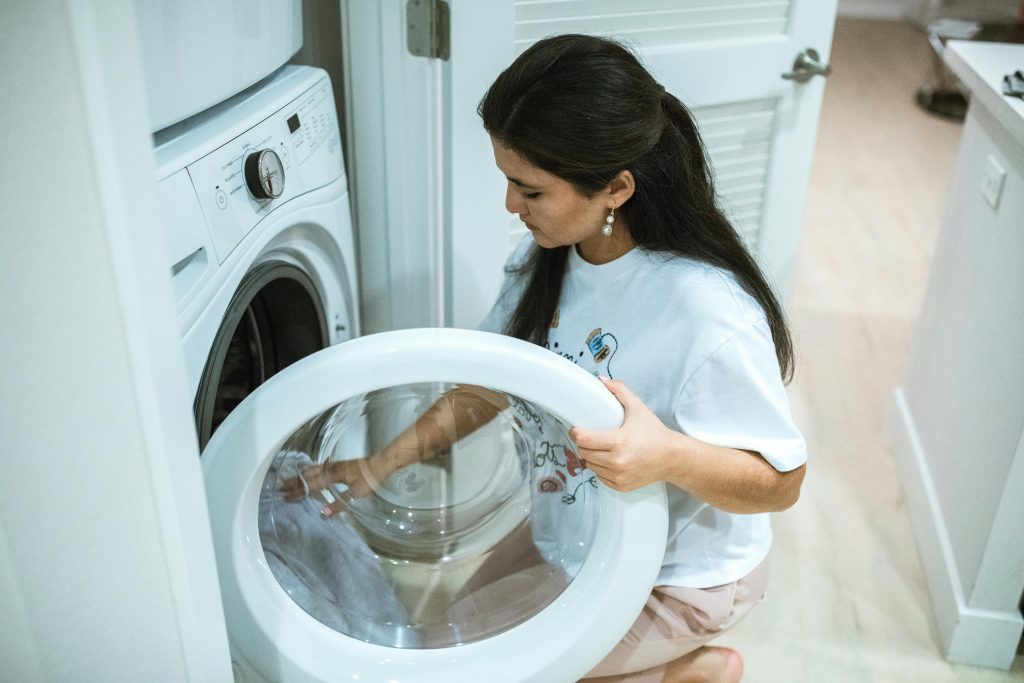
Your washing machine and dishwasher, for instance, both need water and electricity to work. But if you run them with only a few things in them, and do that fairly often, you’re likely wasting both energy and water, and you aren’t gaining much in the way of time saved. Many times, doing lots of almost-empty cycles is a very sneaky way for a house to be inefficient.
People who know about making a home more efficient will often suggest filling them up as much as you reasonably can, because then each cycle is being used to its full potential. Now, this doesn’t mean cramming too much in! It simply means using them more thoughtfully so you get the same level of clean with less of them being turned on and off.
Credit: RDNE Stock project / Pexels
3. Ignoring slow leaks and dripping taps
You usually don’t notice a slow leak immediately because it doesn’t suddenly throw things off with your routine. But those little drips can go on for weeks, even months, and water quietly goes down the drain. In kitchens, bathrooms and at the outside tap, these are really easy to miss.
Experts dealing with water are keen to point out that even small leaks are important because they’re always happening. It’s not a huge rush of water, but it won’t stop by itself. And over a period of time it can waste a surprising amount of water, and also suggest a repair you’ll need to do that is getting bigger.
Because of this, ways of living in a way that doesn’t harm the environment frequently involve simple inspections. If you look under the sink, observe your taps, and fix small problems promptly you can avoid wasting resources and much more serious repairs in the future.
4. Heating or cooling rooms that do not need it
We frequently use more energy and materials for heating and cooling than we have to because we treat the whole house as one zone. Things like empty rooms, doors left open between rooms, not doing a good job with window coverings, and windows that let in cold air all mean our heating and cooling aren’t as good as they could be.
Home improvement experts will tell you you don’t have to choose between being comfortable and being efficient. Shutting off areas you aren’t using, using curtains thoughtfully, and thinking about how air moves through the house will keep things cozy and reduce energy waste. Usually, making a few little changes will help your heating or cooling system, not make it struggle more.
When people actually think about which rooms they’re in and what temperatures are needed, they’ll realize that a single room or maybe two are causing the bulk of the energy increase.
5. Throwing away food that could have been used
When we throw food away, we’re also wasting all the things that went into getting it to us: water, the land it was grown on, how it was shipped, its packaging, and all the people involved. So if food goes bad in the fridge or cupboard, a lot of those earlier resources are effectively lost too.
Those who study how food gets to us frequently say that leftovers we ignore, buying too much fruit and vegetables, and not being sure how to store things are what usually cause food to be wasted. Many families think of wasting food as just a money problem, but it’s also about looking after the planet and is connected to how you run your home each day.
You can cut down on this waste with a better idea of what you have, easier planning for meals, and very obvious places for storing food, and you don’t need to change your usual cooking style to do it.
6. Using disposable items where repeat use would work easily
Even in homes where people are generally conscientious, paper towels, plastic bottles, food containers, and cleaning wipes that are only used once add up to a lot of trash. Surprisingly, swapping to things you can use multiple times isn’t hard if you keep them where you’ll actually use them.
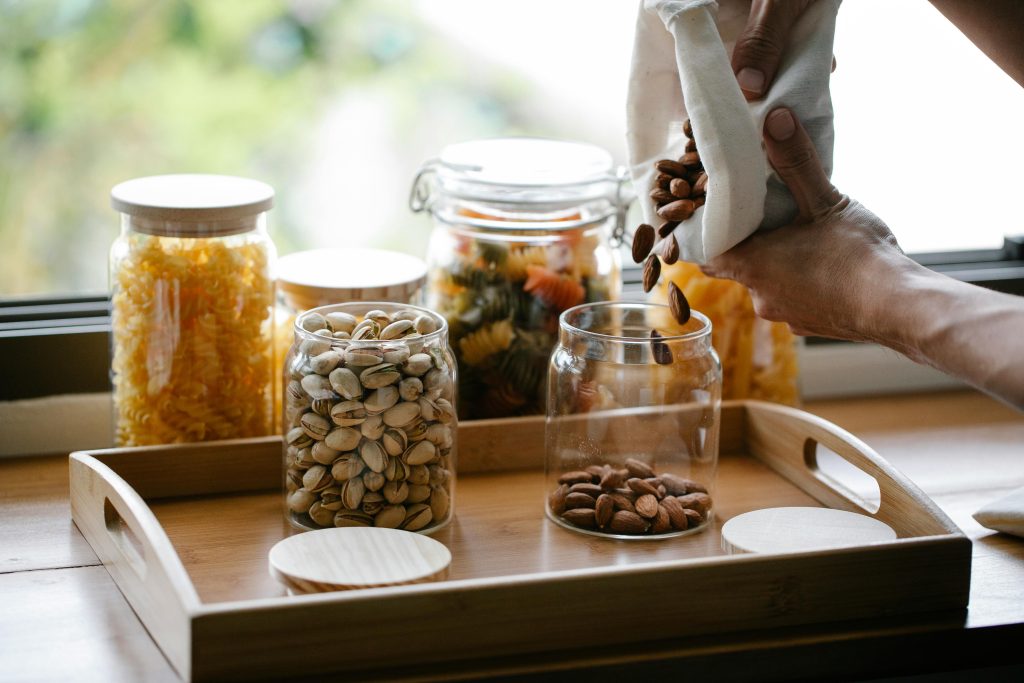
People who teach about cutting down on waste frequently say that the best reusable thing to do is one that easily becomes part of what you already do. A cloth you wash and leave by the kitchen sink, or a bottle for drinks you have filled and waiting for tomorrow, will get used far more often than a perfect system that’s awkward.
It’s really one of the easiest ways to make less garbage at home as it concentrates on the many items we all use over and over.
Credit: Sarah Chai / Pexels
7. Letting clutter create duplicate buying
People usually think of clutter as just a matter of being disorganized, but it can also quietly use up energy and materials. Because we can’t locate things we already have, we tend to buy them again. This happens with food, cleaning supplies, batteries, containers, and little tools for around the house.
What organization experts will tell you is that being able to see things and keeping things simple cuts down on this type of wasting. A neat shelf or a way of organizing with clear containers will stop you from purchasing what you don’t need and will help you to completely use items before they go off or are left to be forgotten.
So being organized actually helps with being environmentally sustainable. It lowers waste by making your home easier to understand and handle.
8. Treating maintenance as something to delay
Things like filters, seals, vents, and hoses, plus just generally looking after your appliances, are things we tend to put off since they don’t shout at us to be done. However, if you don’t do these tasks, your appliances will likely run less well, use more water or energy, and won’t last as long. In fact, a house will commonly be wasting energy and materials for quite a while before something actually stops working.
Maintenance experts frequently suggest doing quick checks each season; it’s generally a lot easier to prevent something going wrong than to fix it when it has. A grimy filter, a blocked vent, or a seal that’s getting old can all make a system gradually less efficient for months. If you pay attention regularly, your things will both last longer and run more cleanly.
This is a major reason why being environmentally friendly with your home is so often linked to maintenance.
Frequently Asked Questions
Q: What are the most common ways homes waste energy and resources?
A: Common examples include leaving lights on, running small appliance loads, ignoring leaks, wasting food, and delaying maintenance.
Q: Do small daily habits really make a difference?
A: Yes. Experts often explain that repeated small habits can create a larger effect over time than one-time mistakes.
Q: Is reducing household waste always expensive?
A: No. Many useful improvements involve using what is already available more carefully and efficiently.
Q: Why is food waste also a resource issue?
A: Food waste reflects wasted water, energy, transport, packaging, and labor used before the food reached the home.
Key Takeaway
It’s usually little things we do over and over that cause homes to be wasteful with energy and resources, not big, glaring errors. Professionals suggest looking at lights, how much your appliances use, drips and leaks, what you do with food, if you use things again, and keeping on top of repairs. These are where waste happens to us most noticeably each day. And most of the time the improvements you can make are straightforward and something you’ll do without thinking. Basically, if you get a sense of all the ways a house squanders energy and materials, your family can start a sensible, efficient way of living.