
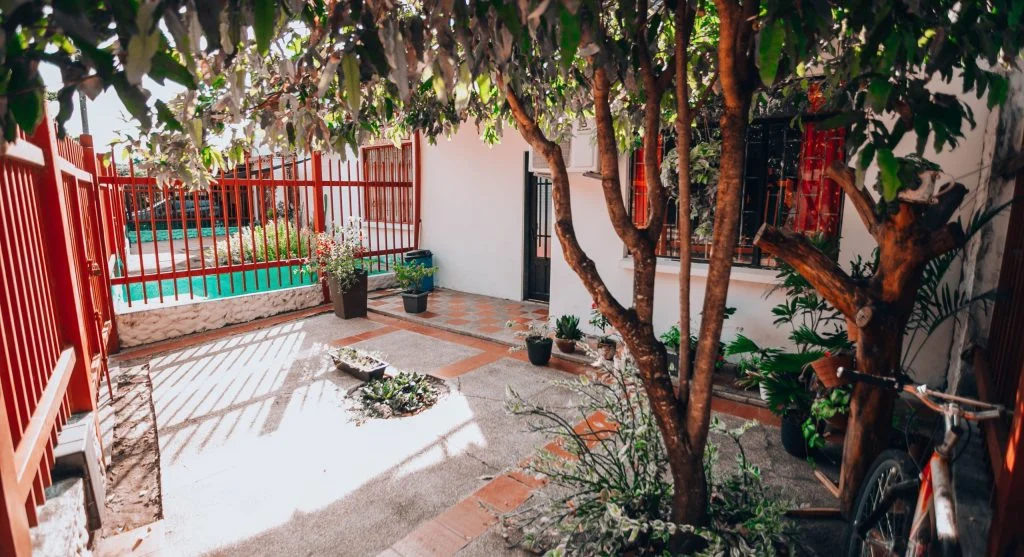
People often imagine that only large trees or fully shaded streets can make a real difference in hot weather. In practice, even a small patch of shade over pavement can noticeably change how a space feels. A narrow band of shadow from a wall, fence, awning, shrub, or young tree may cover only part of a walkway, driveway edge, or patio, but that change can still affect surface temperature, walking comfort, and the feel of the air close to the ground.
Climate researchers, landscape planners, and outdoor comfort specialists often explain that summer heat is not experienced only through air temperature. It is also shaped by the surfaces people stand beside, walk across, and sit near. That is why a small patch of shade over pavement can matter more than many households expect. It interrupts heat where people feel it most directly.
Why pavement feels harsher than the weather report suggests
Weather reports tell people what the air temperature is, but they do not fully describe how a paved surface changes the experience of a place. Pavement absorbs sunlight for hours and often becomes far hotter than the surrounding air. Once it does, it can make nearby spaces feel more intense than the forecast alone would suggest.
Outdoor environment specialists often explain that this is why one side of a yard, path, or street can feel much more uncomfortable than another even when they are only a few steps apart. The paved surface itself is contributing to the heat load. People are not only feeling the day’s weather. They are also feeling what the ground beneath them has stored and is giving back.
This is one reason shaded pavement matters. It changes the surface behavior that helps make ordinary summer places feel so draining.
How a small patch of shade over pavement changes the surface first
The first thing shade changes is the pavement itself. When direct sun is blocked, even partially, the surface no longer absorbs heat at the same rate. This does not make the shaded area cold, but it often keeps it from reaching the same intense level as the pavement around it. That difference can become noticeable surprisingly quickly during hot parts of the day.
Landscape researchers often note that this surface effect matters because the ground is one of the closest heat sources in everyday outdoor life. People walk on it, stand over it, and place chairs or bins beside it. If a small part of that ground remains less heat-loaded, the comfort benefit often spreads beyond the exact outline of the shadow itself.
This is why a small patch of shade over pavement does more than alter the color of the ground. It changes how strongly that patch participates in local heat.
Why the benefit often feels bigger than the shade looks
Shade often seems visually small but physically meaningful. A narrow shaded strip may not cover the whole path or patio, yet it can still provide a place to pause, stand, step, or pass through with less direct heat. In hot weather, even brief contact with a less intense surface can change how manageable a space feels.
Outdoor comfort advisers often explain that people respond strongly to contrast. If the difference between the sunlit pavement and the shaded patch is clear, the body notices relief even when the shaded area is modest. That is why people often gravitate toward partial shade automatically. They are responding to a real change in heat exposure, not only to the appearance of shadow.
This helps explain why small shaded areas attract so much use. The comfort value is often larger than the square footage suggests.
How shaded pavement affects nearby air and movement
When pavement is cooler, the air just above it often feels less punishing too. A fully shaded sidewalk may not transform the neighborhood climate, but it can soften the heat people feel while walking, entering a home, carrying groceries, watering plants, or standing near a door. The effect is especially noticeable where people stay close to the ground and the paved area would otherwise radiate warmth upward.
Urban heat specialists often explain that local comfort depends on these small interactions. A cooler patch of ground can make a path feel more usable. A shaded strip at an entrance can make arriving home less harsh. A partly shaded seating area may feel more inviting simply because the surrounding pavement is not amplifying heat so strongly.
This is why shade does not need to be complete to matter. It only needs to interrupt the places where heat is being most intensely experienced.
Why early shade can matter more than late shade
Shade that reaches pavement before the hottest part of the day often has a bigger impact than shade that arrives only after the surface has already spent hours absorbing sunlight. Once pavement is deeply heated, it may continue giving off warmth even after shadow begins to move across it. Earlier shade prevents some of that buildup from happening in the first place.
Climate and landscape experts often explain that this timing issue is one reason morning and midday shadow patterns deserve attention. A small patch of shade that appears during strong sun hours can be more useful than a larger patch that arrives only when the surface has already stored much of the day’s heat. Preventing heat buildup usually works better than trying to cool overheated pavement later.
This makes shade timing a practical factor, not just a visual one. The hour of the shadow can matter almost as much as the size of it.
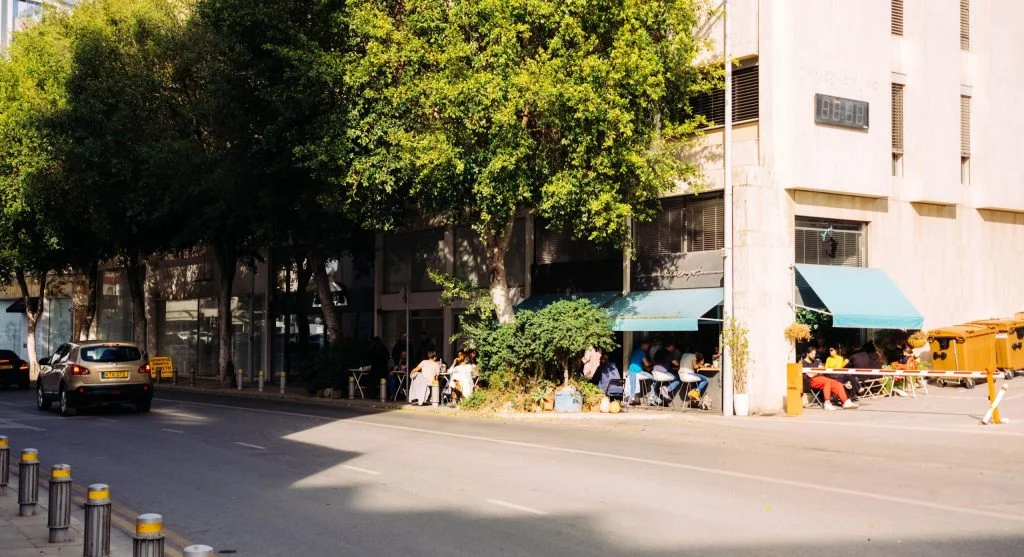
Where small shaded pavement areas often matter most
These patches matter most where people interact with the ground repeatedly. Entry paths, front steps, driveway edges, patio corners, mailbox areas, bin storage spots, and garden walkways are strong examples. A little shade in these places often changes daily life more than a larger shade area in a less-used part of the property.
Landscape planners often explain that shade works best when it overlaps with routine movement. If a person crosses the same hot path several times each day, even a short shaded section may become one of the most appreciated parts of the yard. The same is true near entrances where people naturally pause, unload, or wait.
This is why practical shade is often about placement rather than scale. The most useful patch is usually the one that meets the most repeated daily need.
What experts recommend households notice first
Experts usually recommend observing where the hottest paved spots are during the day and which ones people avoid most. If a path feels too hot to linger on, if a front step area seems harsher than nearby ground, or if one patio section is consistently ignored until evening, those are useful clues. The next step is noticing whether any existing shadow already changes the feel of those places, even slightly.
They also suggest comparing how shaded and unshaded pavement feel at the same hour. This often reveals the value of small shade much more clearly than looking at the yard from a distance. What seems minor visually may feel significant in practice once the household stands in both areas during the same hot period.
These observations matter because surface heat is easiest to understand through use, not only through appearance.
Why this fits practical local heat awareness
Practical local heat awareness often grows from paying attention to the small ways ordinary materials shape daily comfort. A small patch of shade over pavement fits that idea because it shows how even modest interruptions to direct sun can reduce heat intensity where it matters most. It does not require a huge landscape change to teach the household something important about local heat.
Environmental planners often explain that small-scale comfort improvements often build better spaces over time. A shaded strip here, a tree canopy there, a better-protected path near an entrance, and a less exposed patio edge can all work together. Understanding the value of one small shaded patch is often the first step toward seeing how local outdoor comfort is really formed.
That is why a small patch of shade over pavement can change summer comfort more than people expect. It reduces heat at ground level where the day is often felt most sharply and where even modest relief can make a space easier to use.
Frequently Asked Questions
Q: Why does a small patch of shade over pavement matter?
A: It matters because even partial shade can reduce how much heat pavement absorbs and gives back during hot weather.
Q: Can a small shaded area really change comfort?
A: Yes. Experts often explain that even modest patches of shade can make walking, standing, or pausing near hot pavement feel easier.
Q: Does shade need to cover all the pavement to help?
A: No. A smaller shaded section can still provide meaningful relief, especially in places people use often.
Q: Why does early shade matter more?
A: Earlier shade often prevents part of the day’s heat buildup from happening, which can be more useful than shade that arrives after the pavement is already very hot.
Key Takeaway
A small patch of shade over pavement can change summer comfort more than people expect because pavement often stores and releases heat exactly where people walk, stand, and pause. Experts often explain that even modest shade can reduce local heat intensity and make daily outdoor spaces feel easier to use. The benefit is often larger than the shadow looks. Understanding this helps households see how small shade patterns shape real comfort at ground level.