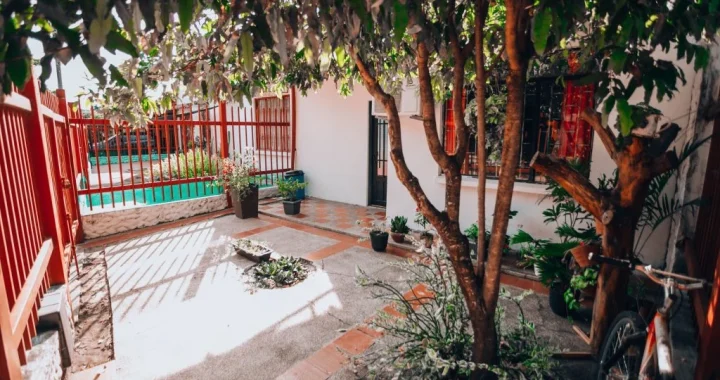

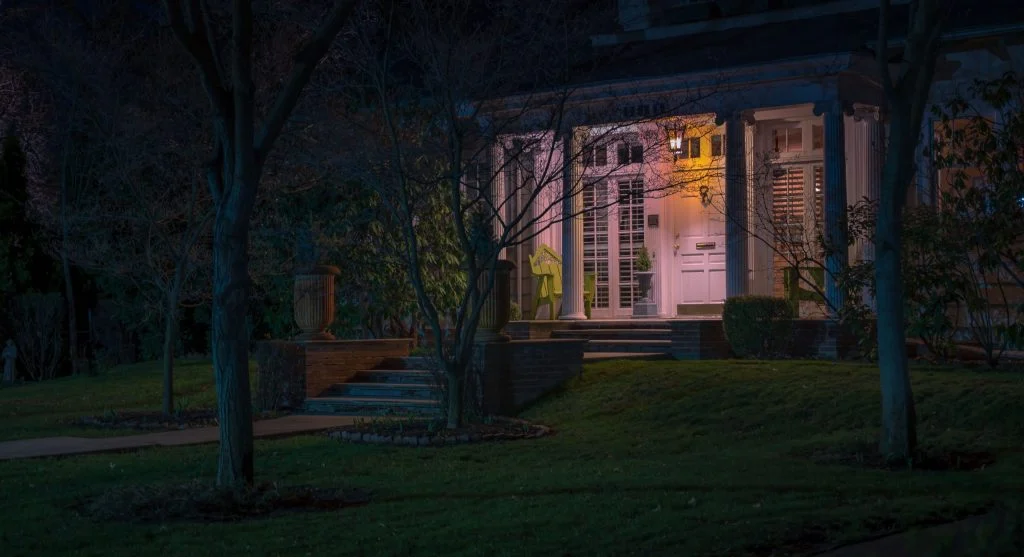
Turning off unnecessary outdoor lights can make a real difference for night insects and the wildlife that depends on them because darkness is an essential part of how many species navigate, feed, and survive. In many neighborhoods, outdoor lighting has become part of the background, with porch lights, garage lights, decorative garden lighting, and side-yard fixtures left on for hours whether they are needed or not. While this often seems harmless to people, it can significantly alter the nighttime environment for insects.
Ecologists, insect researchers, and habitat specialists often explain that darkness is not simply the absence of light—it is an important ecological condition. When artificial lighting fills gardens and neighborhood edges throughout the night, many flying insects become disoriented, change their normal behavior, or experience additional stress. Because countless other animals depend on these insects for food, the effects can spread throughout the local ecosystem.
Why Night Insects Matter More Than Many People Think
Most people naturally notice bees and butterflies because they are active during the day. Once the sun sets, however, another wave of insect activity begins. Moths, beetles, lacewings, midges, and many other species move through gardens, hedgerows, and residential landscapes. Some pollinate flowers, others help break down organic matter, and many become an important food source for bats, birds, amphibians, and spiders.
Insect researchers often explain that these nighttime insects receive far less attention simply because their work happens while most people are indoors. Their gradual decline can easily go unnoticed, even though the garden may still appear healthy during daylight hours.
This is important because ecosystems remain active long after sunset. They simply become less visible to us.
How Outdoor Lighting Changes Insect Behavior
Artificial lighting can interfere with the natural cues insects use to navigate the landscape. Some species become attracted to lights and spend long periods circling them instead of feeding, resting, or reproducing. Others avoid brightly lit areas altogether, reducing the amount of habitat they use. In either case, their normal nighttime patterns become disrupted.
Ecologists often point out that lights do more than briefly attract insects they can keep them occupied for much of the night. A moth that would normally travel between flowers and sheltered areas may spend hours around a single light fixture instead. As a result, it not only changes where the insect spends its time but also prevents it from carrying out important behaviors elsewhere in the garden.
This is why switching off unnecessary outdoor lighting can have such a positive effect. It allows insects to move through their environment more naturally rather than forcing them into altered patterns of activity.

Why Local Wildlife Depends on Nighttime Insects
Night-flying insects are valuable not only for their own ecological roles but also because they support many other forms of wildlife. Bats rely heavily on flying insects for food. Many bird species depend on insect-rich habitats while raising their young. Frogs, toads, spiders, and numerous other animals also benefit from healthy nighttime insect populations.
Wildlife specialists often explain that when insect numbers or behavior change, the effects ripple through the food web. A yard may still appear lively during the day, but if it becomes less suitable for insects after dark, it may also provide fewer resources for the animals that depend on them. These changes are often gradual rather than dramatic, quietly reducing biodiversity over time.
That is why lighting choices affect much more than visibility they influence how well a yard supports wildlife throughout the night.
Why Darker Yards Are Not the Same as Unsafe Yards
Some homeowners worry that reducing outdoor lighting could compromise safety. In reality, turning off unnecessary lights simply means using lighting more thoughtfully rather than eliminating it altogether. Entryways, pathways, and other areas where visibility is genuinely important can still be illuminated. The goal is to avoid flooding the entire property with light when it serves no practical purpose.
Home planning advisers often explain that functional lighting and excessive lighting are not the same. A motion-activated light by the front door serves a very different purpose than decorative landscape lighting left on until sunrise. Many homes can balance safety and wildlife support by identifying where light is truly needed and where it has simply become a habit.
This distinction matters because wildlife-friendly lighting is based on thoughtful restraint rather than complete darkness.
How Even Small Dark Areas Support Local Ecology
A garden does not need to be completely dark to benefit local wildlife. Even one or two dimly lit areas can make a meaningful difference. A hedge, fence line, shrub border, or flower bed protected from constant artificial light can provide a safer movement corridor for insects. These darker sections become small nighttime refuges within otherwise brightly lit neighborhoods.
Habitat planners often explain that wildlife frequently survives through networks of small habitat patches. While residential areas cannot usually recreate fully natural landscapes, a few protected dark spaces can still provide valuable support. Allowing insects to travel through parts of the yard without constant exposure to bright lighting often makes the entire garden more welcoming.
That is why even modest lighting changes can improve how a landscape functions after dark.

Which Outdoor Lights Usually Have the Greatest Impact
The lights that tend to matter most are those that remain on for the longest periods and illuminate large planted areas. Porch lights, garage floodlights, decorative uplighting, fence lights, and always-on side-yard fixtures can all influence nearby habitats. A bright light shining across shrubs, flowers, or tree edges throughout the night often has a greater ecological impact than a focused light used briefly near an entrance.
Environmental lighting researchers often explain that brightness, direction, and duration all play important roles. A light used occasionally for a practical purpose is very different from one that continuously illuminates a garden. The first step is often not removing every outdoor light but identifying which ones stay on the longest without providing much benefit.
Once those habits become clear, making better lighting decisions becomes much easier.
What Experts Recommend Homeowners Notice First
Experts often suggest starting with one simple question: Which outdoor lights are actually being used after dark? If only a few serve an active purpose, the others may simply be operating out of routine. Homeowners can begin by identifying lights that stay on automatically, illuminate planted areas unnecessarily, or would hardly be missed if they were switched off.
They also recommend looking for any genuinely dark sections of the yard. If every flower bed, shrub, and fence line remains brightly lit throughout the night, the property may offer very little refuge for nocturnal wildlife. Observations like these often reveal simple opportunities to support insects without changing the overall design of the landscape.
Recognizing these patterns is important because lighting habits are much easier to improve once they become visible.
Why This Fits Practical Backyard Habitat Care
Supporting local wildlife is often most successful when it involves small, realistic changes. Turning off unnecessary outdoor lights fits perfectly within that approach because it requires no major investment, new planting, or large-scale redesign. It simply encourages people to recognize darkness as an important part of a healthy environment rather than something to eliminate entirely.
Ecologists often explain that neighborhoods become more wildlife-friendly when many households allow at least part of the night to remain naturally dark. One darker yard may seem insignificant on its own, but many small improvements across an entire street or neighborhood can create far better nighttime habitat. This is often how meaningful ecological change happens not through one dramatic action, but through many thoughtful choices.
That is why turning off unnecessary outdoor lights can help night insects and the wildlife that depends on them. It gives part of the night back to the species that need it most.
Frequently Asked Questions
Q: Why do outdoor lights affect night insects?
A: Outdoor lights can affect night insects by attracting, distracting, or disrupting their normal movement and feeding behavior after dark.
Q: Does turning off some lights really help local wildlife?
A: Yes. Experts often explain that darker yard areas can make a space more usable for insects and for the animals that depend on them.
Q: Do all outdoor lights need to be turned off?
A: No. The main benefit usually comes from turning off lights that are unnecessary, overly bright, or left on for long periods without a clear purpose.
Q: Can a small yard still make a difference?
A: Yes. Even a small yard with a few darker sections can provide better nighttime habitat conditions than one that is brightly lit everywhere.
Key Takeaway
Turning off unnecessary outdoor lights helps night insects and the wildlife that depends on them by restoring more natural conditions for feeding, movement, and habitat use after dark. Experts often explain that even small patches of darkness can strengthen local ecosystems when artificial lighting is used more thoughtfully. The goal is not to eliminate outdoor lighting altogether, but to use it where it is truly needed while allowing nature to benefit from the darkness it depends on.