
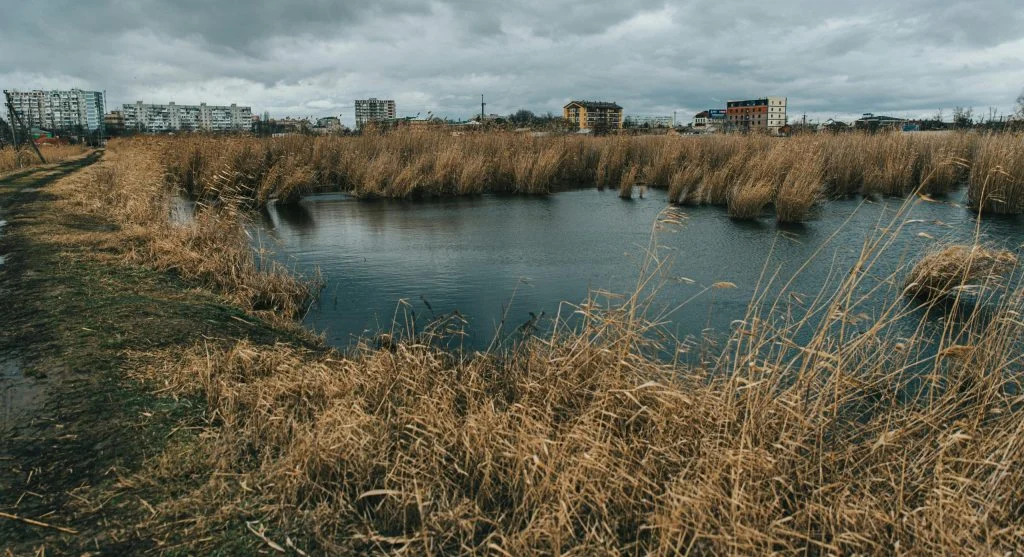
Urban wetland edges are some of the most overlooked habitats in towns and cities, yet they often do important work for wildlife and water quality. These edges are the shallow, plant-rich margins where ponds, marshes, drainage wetlands, and other wet areas meet surrounding land. Even when the main wetland looks small, the edge zone often supports a surprising amount of life.
Wetland ecologists, city planners, and wildlife biologists often explain that urban wetland edges matter because they connect water, soil, plants, insects, birds, and amphibians in one active space. They can help support cleaner local water while also creating city wildlife habitat for frogs and birds that depend on shallow cover and steady food sources.
Why urban wetland edges matter in city environments
Urban spaces often have more hard surfaces than natural ground. Roads, paths, buildings, walls, and drains shape how water moves through the environment. In that setting, wetland edges become especially important because they provide one of the few places where water can slow down and interact with living vegetation before moving onward.
City habitat researchers often explain that urban wetland edges matter because they are transition zones. They are not fully open water and not fully dry land. That mix allows many small species to use the space in different ways. Some hide in low plants, some feed in shallow water, and others use the damp edge for breeding or nesting nearby.
This is why a wetland edge often supports more everyday ecological activity than people first notice. It may look quiet from a distance, but it is usually working in many ways at once.
How urban wetland edges help support cleaner local water
Cleaner local water is one of the clearest benefits linked to healthy wetland margins. As water moves toward or through a wetland, the plants and soft ground at the edge can help slow that flow. When water moves more slowly, sediment often has more time to settle instead of remaining suspended and moving quickly through the system.
Water quality researchers often note that urban wetland edges also matter because vegetation at the margins can help trap some material carried by runoff. This does not fix every pollution problem, but it can support cleaner local water than a bare, hardened edge would. The living border helps the wetland function more like a natural filter zone.
This is one reason wetland edges are often treated as active infrastructure rather than empty fringe space. Their value begins right at the shoreline.
Why frogs often depend on wetland edges
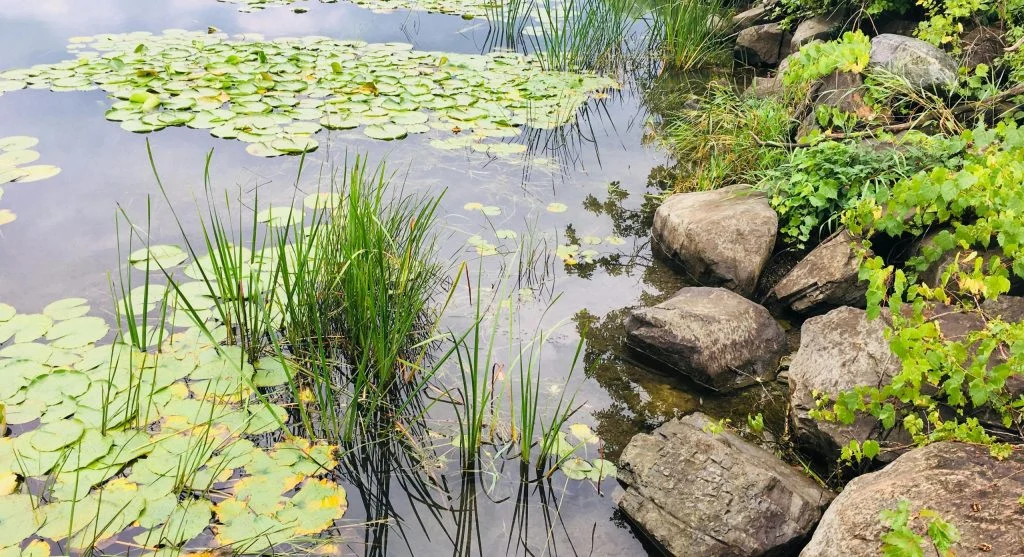
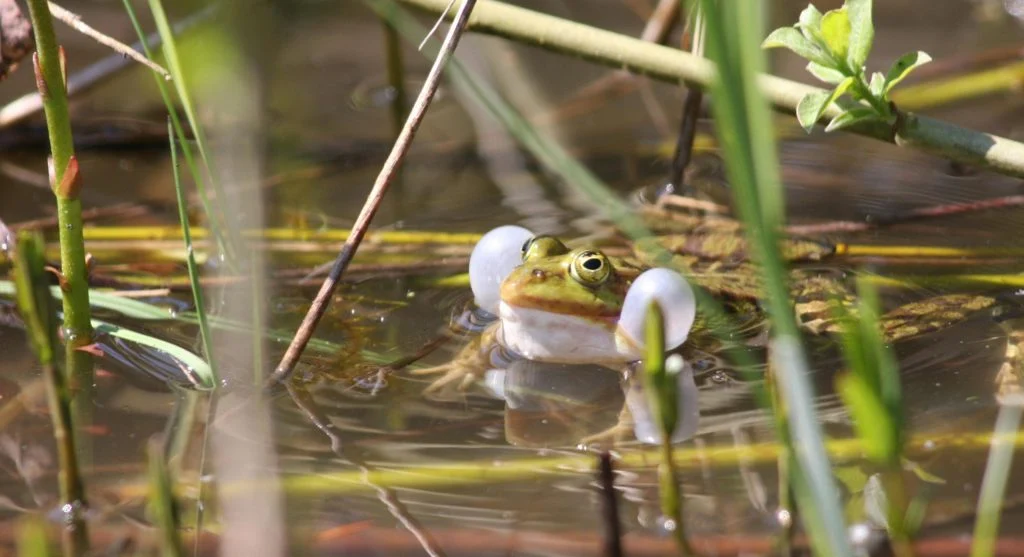
Frogs often depend on wetland edges because these shallow zones provide moisture, cover, and access to food. Deep open water is not the only part of a wetland that matters to amphibians. In many cases, the damp grassy margin is where frogs shelter, hunt insects, and move more safely between water and nearby land.
Wildlife biologists often explain that frogs need stable edge conditions because they are sensitive to drying, disturbance, and changes in water quality. Wetland edges with low plants, soft mud, and shallow pools can be especially valuable during breeding periods or after rain, when amphibian activity tends to increase.
This makes wetland margins especially important in cities, where fewer natural damp areas may remain. A healthy edge can provide a small but meaningful amphibian refuge in a much harder surrounding landscape.
How birds use urban wetland edges through the day
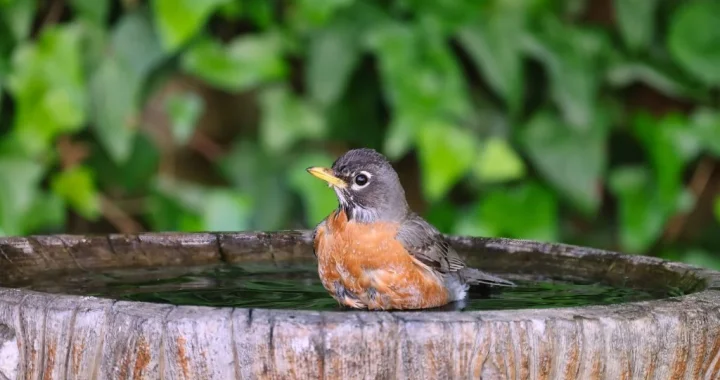
Birds use urban wetland edges in several ways. Some feed on insects around the waterline. Others rest in reeds and grasses, search for seeds, or move through the edge while traveling between larger green spaces. In shallow wetlands, the edge often provides more shelter and feeding opportunity than open water alone.
Bird researchers often note that these margins are especially useful because they offer both visibility and cover. A bird can feed along the wet edge while staying close to vegetation that offers protection. This can be important in urban environments, where open exposed ground may feel riskier and less useful for wildlife.
This is one reason frogs and birds often appear in the same wetland edge zones. The habitat supports many small food-web connections at once.
Why city wildlife habitat often depends on edge spaces
City wildlife habitat is often built from smaller spaces than people expect. In rural areas, large forests, marshes, and river corridors may carry more of the ecological system. In cities, however, wildlife often depends on edges, patches, and connections between developed areas. Wetland margins are a strong example of this pattern.
Urban ecologists often explain that edge spaces matter because they allow species to survive in landscapes that are otherwise highly fragmented. A pond with a healthy margin, a drainage wetland with vegetation, or a marshy corner in a park may each support more life than a tidier but less natural-looking alternative.
This means urban wetland edges are not just leftovers between land uses. They are often some of the most important habitats available in the local area.
What threatens urban wetland edges over time
Urban wetland edges can be weakened by mowing too close to the water, hard landscaping, polluted runoff, trampling, litter, and construction pressure. Because these edge spaces are narrow, they can lose function quickly when the plant cover is removed or the waterline is hardened. Even small changes may reduce habitat value for wildlife.
Wetland specialists often explain that the decline may be gradual. A bare edge may erode more easily, support fewer insects, and offer less cover for frogs or birds. Once vegetation is simplified, the wetland can become less effective for cleaner local water as well. This is why protection often matters before visible damage becomes severe.
Healthy wetland edges usually need both plant cover and space to function properly. Without those two things, the habitat can become much weaker.
What experts recommend for protecting urban wetland edges
Experts usually recommend allowing vegetation to remain around wetland margins wherever possible and avoiding overly neat treatment of every water edge. A buffer of reeds, grasses, low shrubs, or other wetland plants often supports far more life than a sharply cut border. Protecting runoff quality and reducing repeated disturbance also matters.
City planners and ecologists often emphasize that urban wetland edges should be treated as part of local green infrastructure. They support cleaner local water, reduce habitat loss, and help keep wildlife present in developed areas. Their importance is practical as well as ecological.
Urban wetland edges matter because they give cities one of the most valuable combinations in local nature: water quality support, amphibian habitat, bird activity, and a living transition zone that still works under pressure from surrounding development.
Frequently Asked Questions
Q: What are urban wetland edges?
A: Urban wetland edges are the shallow, plant-rich margins where city ponds, marshes, or wetlands meet nearby land.
Q: Why do urban wetland edges help cleaner local water?
A: They help slow runoff and support vegetation that can trap some sediment and improve how water moves through the wetland.
Q: Why are frogs often found at wetland edges?
A: Frogs often use wetland edges for moisture, shelter, shallow breeding areas, and access to insects.
Q: Do birds benefit from urban wetland edges too?
A: Yes. Birds often use these edges for feeding, cover, resting, and movement through urban green spaces.
Key Takeaway
Urban wetland edges matter because they support cleaner local water, frogs and birds, and valuable city wildlife habitat in one narrow but highly active zone. Experts often explain that these margins do much of the real ecological work in urban wetlands by slowing runoff and providing living cover where water meets land. Their role is easy to overlook, but it is often essential. Understanding urban wetland edges helps show why small habitat spaces can carry large environmental value in cities.