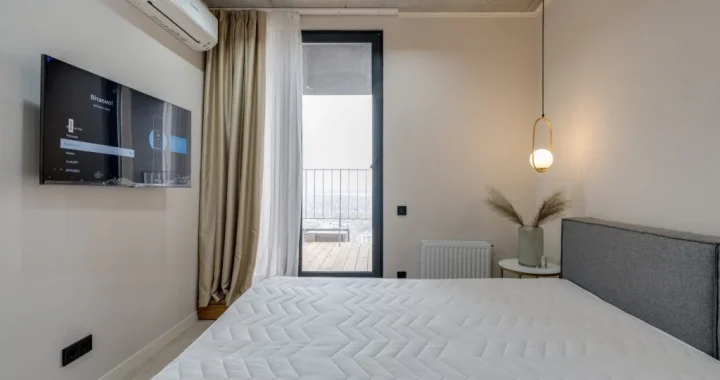


Using hallway doors well can help cooler air stay where it matters because not every part of a house needs the same level of comfort at the same time. In warm weather, hallways often connect cooler rooms to hotter ones, allowing air to move freely whether that helps the home or not. A door left open by habit may quietly let cooler air spread into spaces that are not being used while warmer air drifts back toward the main occupied rooms.
Building advisers, indoor comfort researchers, and home efficiency specialists often explain that room boundaries matter more in summer than many households realize. A hallway is not only a passage space. It is also part of how air and heat move through the home. That is why using hallway doors well can support better indoor air control without requiring any new equipment.
Why using hallway doors well matters in warm weather
Warm weather makes room differences more noticeable. One bedroom may stay shaded and manageable, while another room at the end of the hall heats up under afternoon sun. A hallway connecting several rooms can either help or hurt comfort depending on which spaces are open and which ones are closed during the hottest part of the day.
Home comfort experts often explain that using hallway doors well matters because air does not stay neatly in one room. It drifts between connected spaces, especially where doors, hall openings, and stairways allow warmer and cooler zones to mix. If the household is trying to keep one useful area comfortable, open hallway connections may weaken that effort more than expected.
This is one reason summer room comfort often depends on simple room management. The house works more effectively when cooler spaces are not always forced to share their air with hotter ones.
How using hallway doors well helps cooler air stay where it matters
Using hallway doors well helps cooler air stay where it matters by slowing unnecessary air exchange between rooms with very different heat conditions. If one part of the house is being used heavily and staying relatively comfortable, a hallway door can help protect that space from warmer rooms farther down the corridor. This does not create perfect isolation, but it often improves stability.
Building researchers often note that the effect is strongest when there is a clear difference between room temperatures. A sunny guest room, a little-used office, or a hot upper bedroom may keep feeding warmth into the hallway if everything stays open. Once the hallway door is used more intentionally, the main living area may feel easier to manage.
This is why using hallway doors well is often part of practical summer room comfort. It helps the home keep useful air where people actually need it most.
Why hallways often become hidden mixing zones for warm and cool air
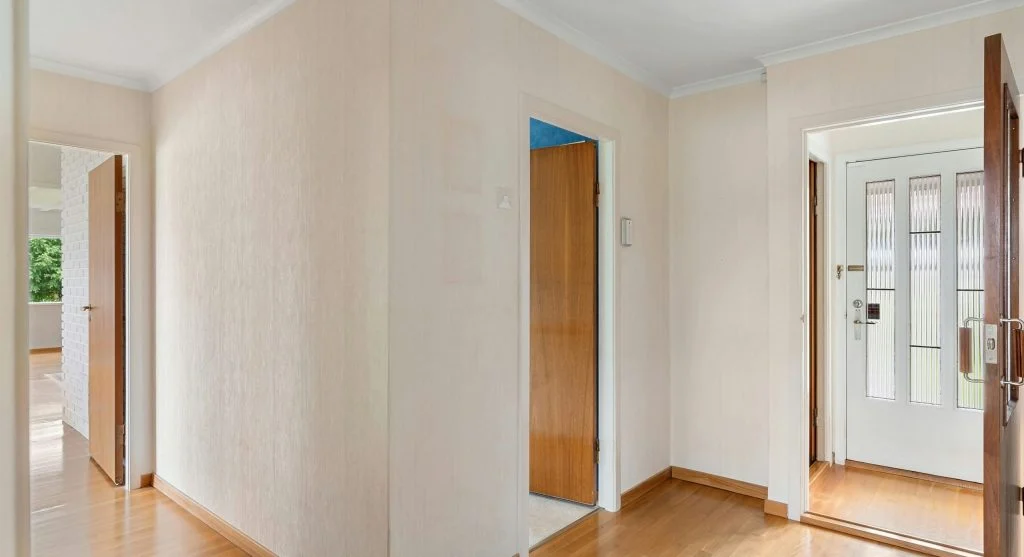
Hallways may seem neutral, but they often act as mixing zones where air from several rooms combines. A cooler bedroom, a sunlit study, and a warmer stair landing may all feed into the same narrow space. Once that happens, the hallway can spread those conditions back toward other rooms, even if nobody is spending much time there.
Indoor climate specialists often explain that this makes hallways more important than they appear. Because people think of them mainly as passages, they often leave every connected door in the same position all day. Yet the hallway may be redistributing heat in ways that directly affect the rooms people are actually using for work, rest, or family time.
This helps explain why some homes feel less comfortable even when the main room itself seems reasonably managed. The problem may be coming from connected spaces through the hall.
How hallway doors affect better indoor air control
Better indoor air control does not always mean moving more air. Sometimes it means moving less of the wrong air at the wrong time. A hallway door can help by reducing how much hotter air from a bright room or upper space spreads toward a cooler zone. In some homes, this makes fans, shading, and other comfort habits feel more effective because the room is not constantly losing its advantage.
Home efficiency advisers often explain that indoor air control works best when it reflects how the house is being used hour by hour. If the family is gathered in one room during the afternoon, controlling hallway connections may matter more than keeping every room equally open. The goal is not to shut the house down completely. The goal is to match air movement to real comfort needs.
That is why using hallway doors well is often a supportive habit rather than a stand-alone fix. It strengthens other summer comfort choices by helping them last longer.
Why hotter rooms at the end of a hall can change the whole floor
Rooms at the end of a hallway often experience stronger sun, weaker airflow, or greater heat buildup from roof exposure. If these rooms stay open during peak heat hours, their conditions may influence more than the room itself. Warm air can drift back into the hall and begin shaping the feel of the entire floor, especially in smaller homes or upper levels.
Building specialists often note that this can be easy to miss because the hottest room is obvious, but its effect on connected spaces is slower and less direct. A household may focus on how uncomfortable the bright room feels without noticing that it is also weakening comfort in nearby bedrooms or in the hall leading to a main living space.
This is one reason using hallway doors well can matter more than expected. It helps stop one difficult room from quietly changing the whole level of the house.
What experts recommend households notice first
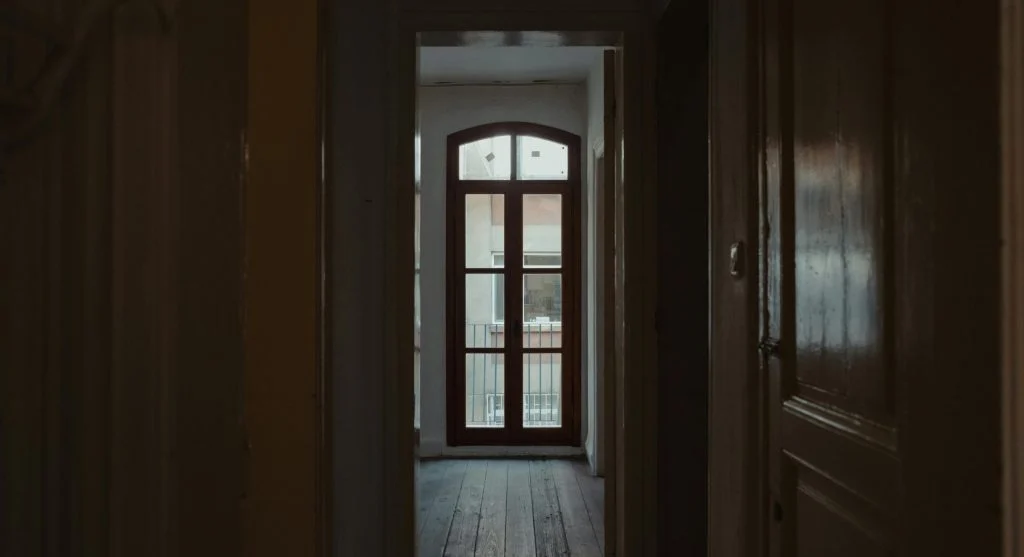
Experts usually recommend paying attention to which rooms stay hottest and how that affects nearby spaces. If the hall feels warmer after one room heats up, or if a cooler area loses comfort once a hallway connection remains open, those are useful signs that the boundary needs more attention. The strongest clues often appear at the same time each warm day.
Indoor comfort researchers also suggest asking which rooms truly need comfort at that hour and which ones can be treated more flexibly. A room that no one uses until night may not need to stay fully connected to the rest of the house during a hot afternoon. A hallway door can help reflect that difference in real use.
These observations matter because the best room-control habits are usually simple. They follow the daily heat pattern instead of fighting it blindly.
Why using hallway doors well fits practical summer comfort
Practical summer comfort often depends on small boundary decisions that cost nothing but make existing habits work better. Using hallway doors well fits that pattern because it helps cooler air stay where it matters, supports better indoor air control, and makes it easier for occupied rooms to remain useful through the hottest part of the day.
Climate and housing experts often explain that homes are easier to manage when they are treated as a set of connected zones rather than one uniform air space. Some rooms need protection. Some rooms need separation. A hallway door is one of the simplest tools for managing those differences when heat is building across the house.
That is why using hallway doors well can help cooler air stay where it matters. It is a small action, but it can change how heat and comfort move through the home during summer.
Frequently Asked Questions
Q: Why does using hallway doors well help summer comfort?
A: It helps by slowing the movement of warmer air from hotter rooms into cooler rooms that people are actively using.
Q: Should all hallway doors stay closed in hot weather?
A: Not always. Experts often explain that the best setup depends on which rooms are hottest, which rooms are in use, and when heat is building.
Q: Why do hallways affect room comfort so much?
A: Hallways connect several rooms, so they often become mixing zones where warm and cool air spread between spaces.
Q: What kinds of rooms benefit most from better hallway door use?
A: Busy living areas, shaded bedrooms, or cooler work spaces often benefit when hotter, less-used rooms are separated during peak heat hours.
Key Takeaway
Using hallway doors well helps cooler air stay where it matters because hallways often spread warm and cool conditions between rooms more than households realize. Experts often explain that better indoor air control in summer depends on managing those room connections thoughtfully. The strongest benefits usually come when hotter, less-used rooms are separated from the spaces people need most. Understanding the value of using hallway doors well helps households support more practical summer room comfort with a very simple daily habit.