
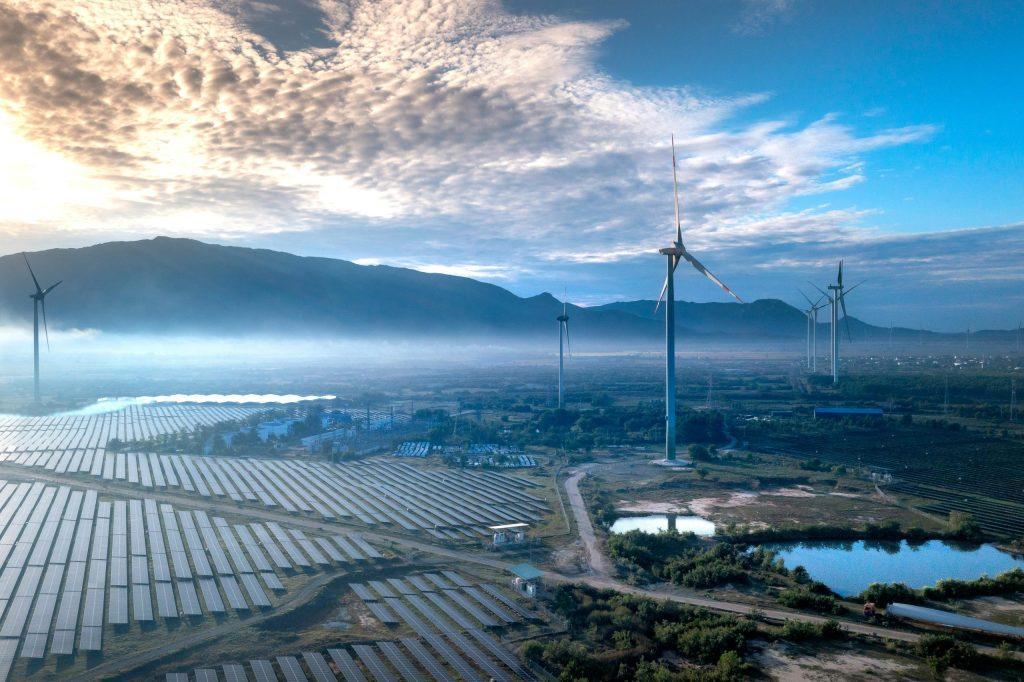
Because more and more towns and cities are getting their electricity from solar and wind, storing that energy in batteries is now a really big deal. We can certainly make lots of renewable power, but it isn’t consistently produced exactly when we require it.
Those who study energy, plan the electricity grid, and investigate new clean tech say storage is the way to get the amount of power available to fit with how much people are using. This gives renewable energy a lot more give, and stops energy from being lost when there’s more of it than is currently needed.
Why battery storage for clean energy matters
When the sun is out, solar panels make electricity and wind turbines need windy weather to work. As a result, how much power they generate will change throughout the day. Batteries are useful because they hold onto electricity when there’s plenty of it, and then give it back when we need more.
People who work on keeping the power grid running steadily always say that the system must have a matching amount of supply and demand at every moment. We’ll have blackouts if there isn’t enough electricity, and some energy might be wasted or shut down if a lot of it all arrives at once and isn’t immediately used. Storage systems help to lessen these sudden changes.
How battery storage works in simple terms
Battery systems gather electricity and save it for when you need it. Then, if your house, a company, or the whole electrical grid requires more energy, that electricity is given out. Because of this, batteries are frequently called a way to connect creating clean power with actually using it.
Experts in the field point out that battery sizes and what they’re for aren’t identical. Some will only power a single structure, whereas others are for the entire grid. However, the core concept is consistent: put energy in reserve during times of plenty, and employ it during times when it’s needed most.
Credit: Kindel Media / pexels
Battery storage for clean energy supports grid reliability
Because of how our electricity use goes up and down throughout the day as we get up, prepare food, cool our homes, and power our phones, and because what renewable sources actually produce doesn’t always match this, having storage is really important for a steady electricity grid. It smooths out the difference.
When demand for electricity suddenly increases, or if the amount of electricity being made falls, companies running the power lines frequently use batteries to respond almost instantly. Batteries are a lot quicker to kick in than older types of systems and are therefore very good for very short-term balancing of the grid and keeping the frequency of the power steady.
And in certain places, storage provides emergency power if the electricity goes out or there are problems with the local supply. This is particularly valuable in areas that have a lot of hot weather, bad storms, or pressure on the grid because of wildfires.
How storage helps solar and wind power grow
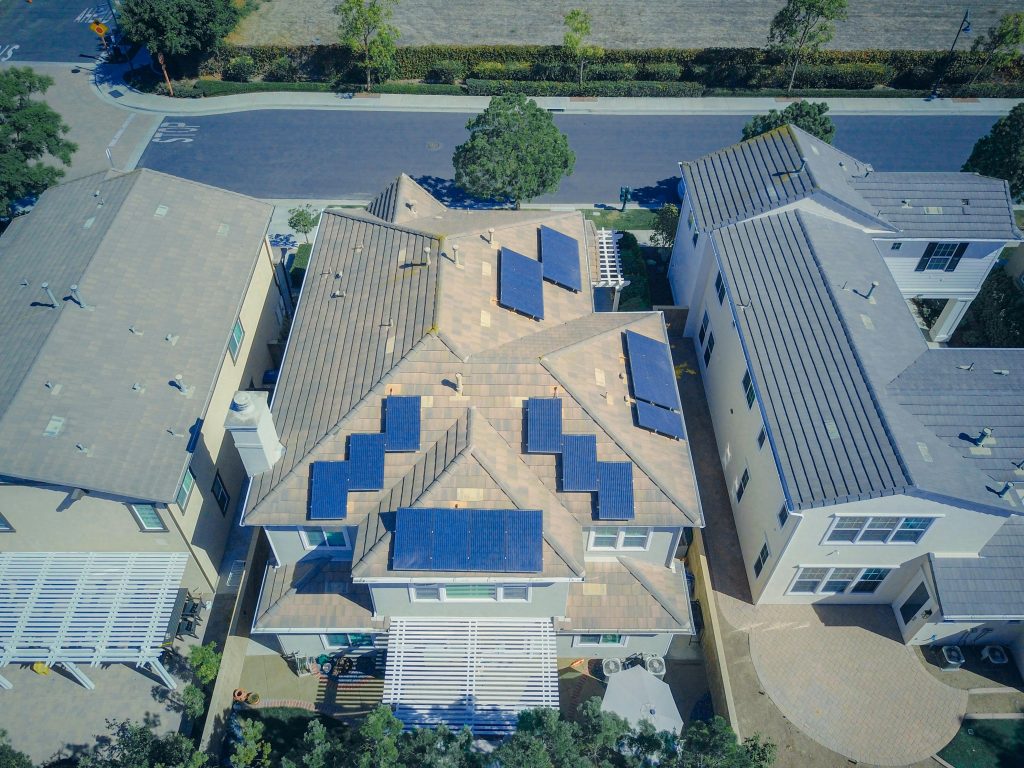
Solar and wind energy frequently produce the most power at times that don’t perfectly coincide with when we use the most electricity. Solar, for instance, is at its best around lunchtime, yet most homes need power later on in the evening. Renewable energy storage can move some of that energy to a time when it’s more applicable.
Researchers in the field of clean energy will say this doesn’t fix everything, however it does make things much more adaptable. A system’s ability to hold onto extra renewable energy makes depending on environmentally friendly electricity for a larger portion of the day significantly simpler.
Limits and challenges still exist
Having batteries to store clean energy is helpful, but it won’t solve all our electricity problems. The price of batteries, how much of the materials to make them we have, how long they last, and how to reuse them when they’re finished are all still important things to consider. And with very long-lasting storage, most of the ways to do it are still getting better.
What people who design and think about eco-friendly energy, like engineers and sustainability specialists, frequently say is that clean energy systems are at their best when using lots of different methods. Energy storage, improvements to the electrical grid, controlling how much power people use, and using less energy in the first place are all necessary. Actually, careful planning is just as crucial as the latest equipment.
Credit: Enrique / pexels
What experts expect in the years ahead
People who plan for our energy future believe we’ll continue to need a lot more energy storage for our electricity – it’s important for making sure the power stays on and for helping us use more environmentally friendly energy. With more and more power coming from renewable sources, it gets trickier to have power when you want it and to have a system that isn’t overloaded.
Those who work with green technologies think storage will improve thanks to better computer programs, a more tightly connected national power grid and batteries that are built in a better way. However, most people in the business don’t think storage will solve the whole problem of changing how we get energy, it’s going to be a piece of a much larger shift.
Frequently Asked Questions
Q: What is battery storage for clean energy?
A: It is a system that stores electricity from sources like solar and wind so it can be used later when demand is higher or generation is lower.
Q: Why is renewable energy storage important?
A: Renewable energy storage helps balance changing supply and demand, improves grid reliability, and makes better use of clean electricity.
Q: Does battery storage replace the power grid?
A: No. It supports the grid by improving flexibility and stability, but it works best as part of a broader energy system.
Q: Can storage help during outages?
A: In some cases, yes. Certain systems can provide backup support during local power disruptions, depending on design and connection.
Key Takeaway
When lots of clean, renewable energy is being generated, battery storage lets power systems keep that electricity for using when people need more of it. This makes the electricity grid more dependable, gets more from your solar panels or wind turbines, and stops a lot of energy from being thrown away. Many in the field think of storage as a key part of getting to cleaner energy, though not the only thing we’ll need. Getting a sense of how battery storage works with clean energy explains its usefulness at both individual homes and across the entire power network.