
Yard shade can make a practical difference during hot weather because soil loses moisture faster when it sits in direct sun for long periods. Even a well-maintained yard can dry out quickly if the ground is exposed during the hottest hours of the day. Shade helps slow that process and can make the soil easier to manage between one watering or rainfall event and the next.
Soil specialists, landscape planners, and water conservation experts often explain that yard shade matters because it affects both temperature and evaporation at ground level. When the surface stays cooler, the soil usually holds moisture longer and supports healthier conditions for grass, plants, and roots.
Why yard shade matters during hot weather
Hot weather puts pressure on both the ground and the plants growing in it. Sunlight warms the soil surface, dries exposed areas more quickly, and can leave lawns or garden beds needing water sooner than expected. If this continues over several days, the yard may start to feel harder, drier, and less able to recover between watering cycles.
Landscape experts often explain that shade helps interrupt this daily heat buildup. A shaded area typically stays cooler than nearby exposed soil, especially in the afternoon. That lower surface temperature can reduce how quickly moisture evaporates.
This is why shaded areas often behave differently during summer. They don’t avoid heat entirely, but they tend to respond more steadily.
How yard shade helps soil hold moisture longer
Yard shade helps soil retain moisture by reducing direct exposure to sunlight. With less sun hitting the surface, the soil warms more slowly and evaporation decreases. As a result, moisture already present in the soil can remain available for a longer period.
Soil researchers often note that the effect is most noticeable near the surface. Topsoil in full sun can dry out quickly, especially when heat and wind combine. In contrast, shaded topsoil tends to stay more stable, which supports root health and beneficial soil activity.
This doesn’t mean shade replaces watering altogether. Instead, it helps the yard use existing moisture more efficiently before additional watering is needed.
Credit: Pixabay / Pexels
Why exposed ground dries faster than shaded ground
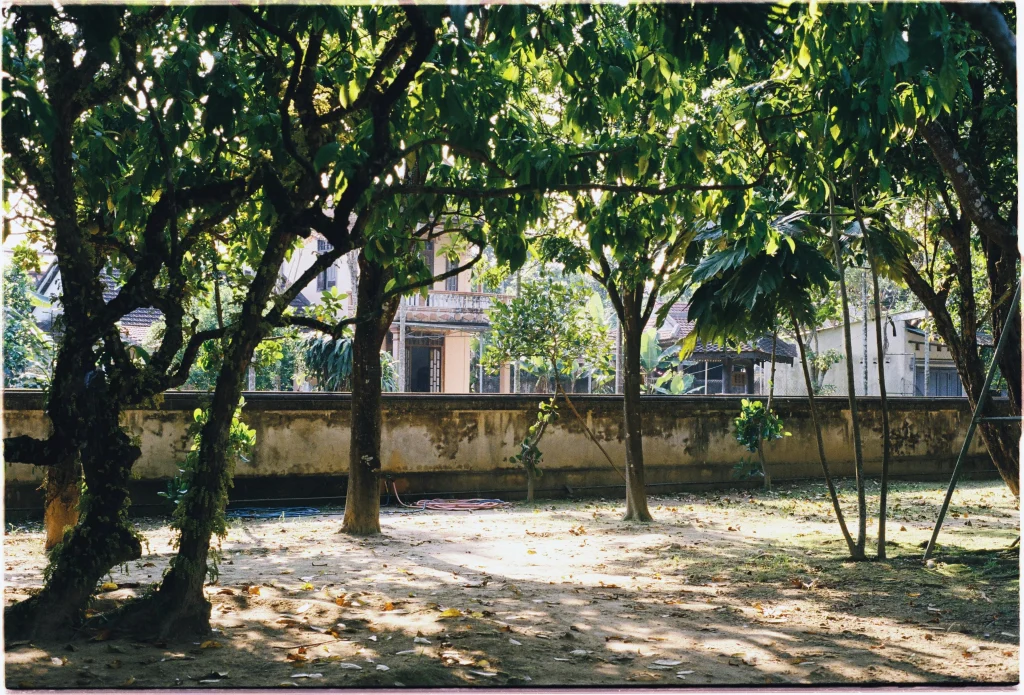
Exposed ground receives stronger sunlight, which raises surface temperature and speeds up drying. In many yards, the difference can be seen clearly between one open patch and a nearby area under a tree or beside taller planting. The exposed section often becomes harder and lighter in color sooner, while the shaded section stays darker and cooler longer.
Water conservation specialists often explain that direct sun is not the only factor. Open ground may also be more affected by air movement and reflected heat from nearby walls, fences, or paving. These combined conditions make moisture loss more likely in exposed areas.
This helps explain why some parts of the yard seem to need water far more often than others. The issue may not be poor soil alone. It may also be the amount of shade the soil receives each day.
How yard shade supports healthier ground conditions
Healthier ground conditions depend on more than moisture alone. Soil structure, surface temperature, microbial activity, and root health all respond to how hot the ground becomes. When the yard stays cooler, these systems often work in a steadier way, especially during longer dry or warm periods.
Soil educators often explain that yard shade can support life below the surface as well as above it. Cooler, less exposed ground may be more welcoming for roots and small organisms that help keep soil active. Over time, this can support better texture and more balanced moisture handling in the yard.
This is one reason shade is often treated as part of soil care, not only plant care. The ground itself benefits when heat pressure is reduced.
Why yard shade can help reduce watering pressure
Yards that hold moisture longer often do not need the same watering frequency as yards that lose moisture quickly from the surface. This can make outdoor care feel more manageable during hot weather, especially in periods when households are already trying to use water carefully and avoid unnecessary waste.
Water management experts often explain that shade does not remove the need for thoughtful watering. It simply supports better timing by slowing how fast the yard dries out. A shaded area may still need water, but it often stays usable and healthier for longer between watering events.
This matters because practical water use depends on making existing moisture last. Yard shade helps do that without requiring extra equipment or constant intervention.
Credit: Pixabay / Pexels
What experts say households should notice first
Experts usually recommend comparing one shaded area of the yard with one exposed area after a hot afternoon. If the shaded soil feels cooler, darker, or less compacted, that often shows how much shade is influencing moisture. These simple observations can reveal why one part of the yard stays healthier longer than another.
Landscape specialists also suggest watching where plants wilt first, where the soil surface becomes hard, and where watering seems to disappear most quickly. These are often clues that the area lacks enough protection from daily heat. In some yards, even partial shade at the hottest time of day can make a visible difference.
These patterns matter because they show how local conditions shape water use. A yard does not respond to weather evenly. Some areas lose moisture much faster simply because they are more exposed.
Why yard shade fits practical local environment care
Practical local environment care often starts with making better use of natural conditions already present in the yard. Yard shade fits that idea because it helps the ground stay cooler, supports soil moisture, and can reduce pressure on plants and watering routines during hot weather. It does this quietly through daily exposure patterns rather than through a complex system.
Environmental planners often explain that shade is one of the most useful small-scale tools in residential landscapes. It supports comfort above the ground and better water behavior below it. In that sense, yard shade is not only about appearance or summer comfort. It is also part of how a yard stays functional and resilient during heat.
Understanding yard shade helps households see that healthier ground conditions often begin with simple environmental balance. Cooler soil, slower moisture loss, and steadier outdoor care are closely connected.
Frequently Asked Questions
Q: Why does yard shade help soil hold moisture longer?
A: Yard shade reduces direct sunlight on the ground, which helps keep the soil cooler and slows evaporation.
Q: Does shaded soil always need less water?
A: Not always, but experts often explain that shaded soil usually loses moisture more slowly than soil in full sun.
Q: How can households tell if yard shade is helping?
A: A useful sign is when shaded ground feels cooler, stays darker longer after watering, or becomes less hard during hot afternoons.
Q: Is yard shade only helpful for plants?
A: No. It also supports healthier ground conditions by reducing surface heat and helping the soil manage moisture more steadily.
Key Takeaway
Yard shade matters because it helps soil hold moisture longer, reduces surface heat, and supports healthier ground conditions during hot weather. Experts often explain that shaded soil usually dries more slowly and can make outdoor water use easier to manage over time. Even partial shade can affect how the yard responds to summer heat. Understanding yard shade helps households care for soil more effectively with simple local environment habits.