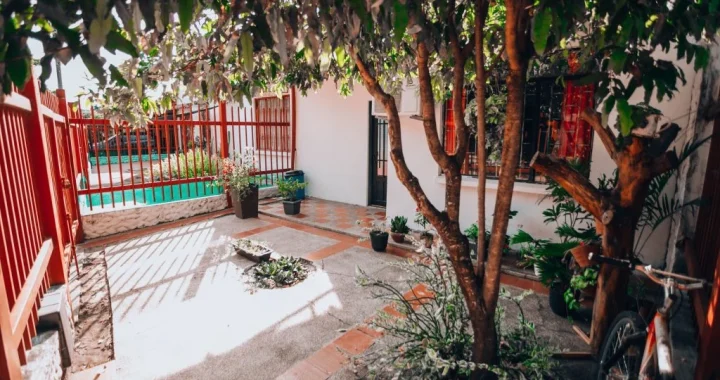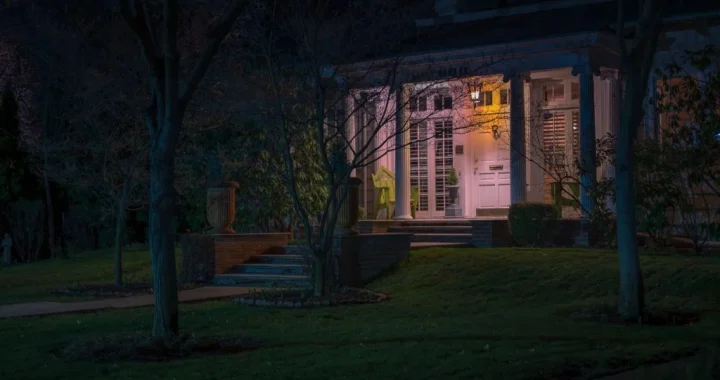

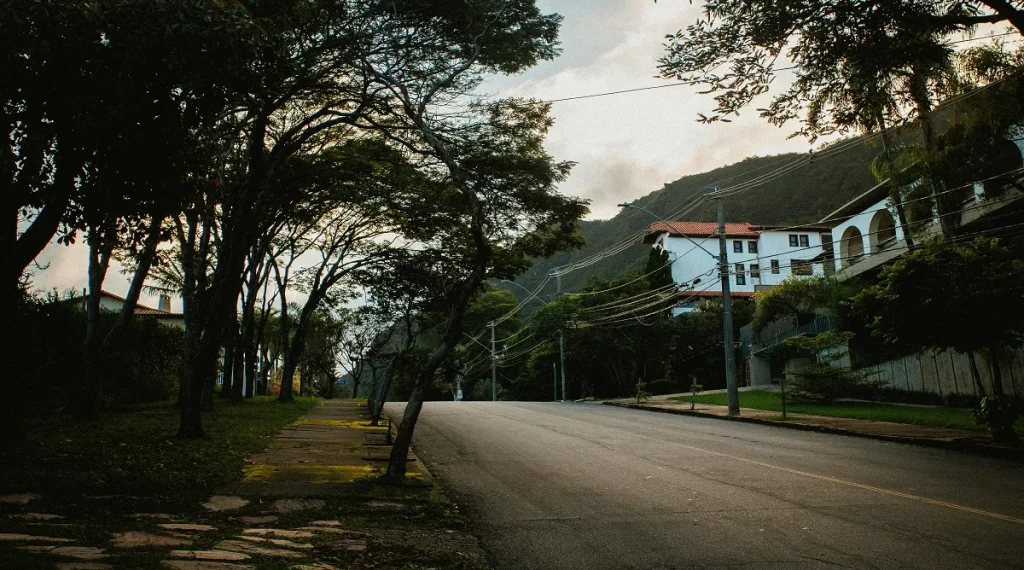
Evening cooling doesn’t feel the same in every neighborhood. After a hot day, some areas become comfortable soon after sunset, while others stay warm, heavy, and slow to cool down. This difference usually comes from how streets, buildings, paved surfaces, and nearby vegetation absorb and release heat throughout the day.
Urban climate researchers, building specialists, and environmental planners often explain that evening cooling depends on more than just the sun going down. Heat retention in the neighborhood, surface materials, airflow, and tree cover all influence how quickly an area releases warmth once direct sunlight is gone.
Why evening cooling matters in daily life
Evening cooling plays an important role because many households rely on nighttime relief after a hot day. People open windows, spend time outside, go for walks, and expect indoor spaces to feel more comfortable before sleep. When that relief is limited, the day can feel longer and more exhausting.
Environmental comfort specialists often note that nighttime conditions affect more than just comfort. They influence sleep quality, outdoor activity, cooling needs at home, and how ready people feel for the next day. In areas that cool slowly, discomfort can last much longer than expected.
This is why evening cooling has become a practical concern, not just a weather detail it shapes how the entire evening feels.
Why some neighborhoods hold heat longer after sunset
Some neighborhoods stay warmer because they contain more surfaces that absorb and store heat during the day. Roads, buildings, rooftops, sidewalks, and parking areas can all collect solar heat and release it gradually after sunset. When many of these surfaces are clustered together, the whole area may remain warm well into the evening.
Urban heat experts often explain that heat retention is strongest in areas with limited greenery and a high concentration of built or paved surfaces. If airflow is also restricted, that stored heat can linger near the ground and around buildings for hours.
This helps explain why two nearby neighborhoods can feel very different after the same hot afternoon. One may cool quickly due to shade and open space, while another stays warmer because the heat has fewer ways to escape.
Credit: Sami TÜRK / Pexels
How pavement and walls affect evening cooling
Pavement and building walls play a major role in how warm an area feels after sunset. These surfaces absorb heat during the day and release it slowly once the sun goes down. As a result, the air nearby can stay warmer than expected, especially in places where roads and buildings are closely packed.
Building researchers often point out that walls exposed to strong afternoon sun can continue radiating heat into the evening. Pavement around homes can have a similar effect, keeping yards, entryways, and surrounding air warmer even after the day should have cooled.
This helps explain why some streets still feel hot after dark. The warmth people notice often comes from stored surface heat, not just the overall air temperature reported for the area.
Why tree cover and open ground help evening cooling
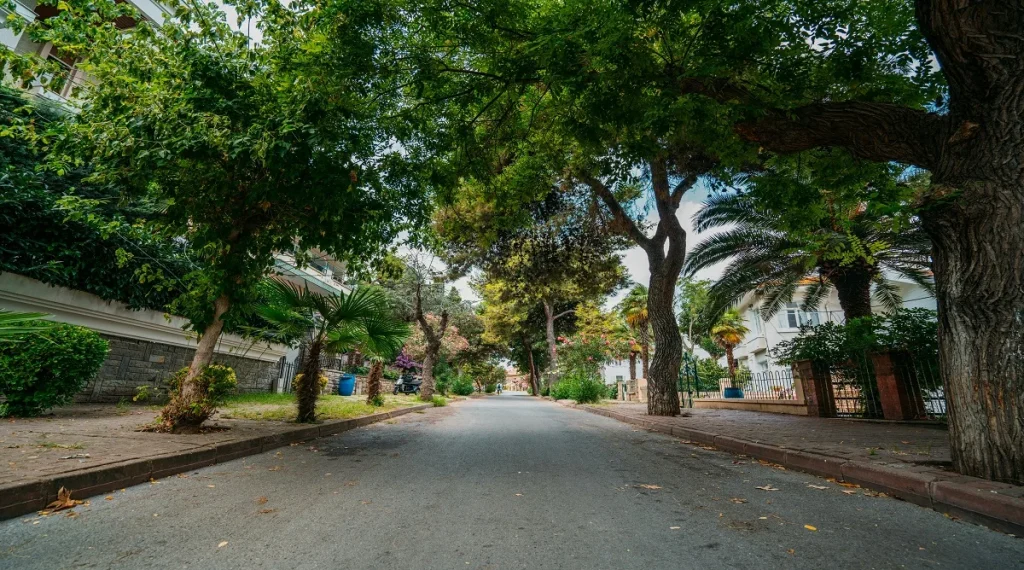
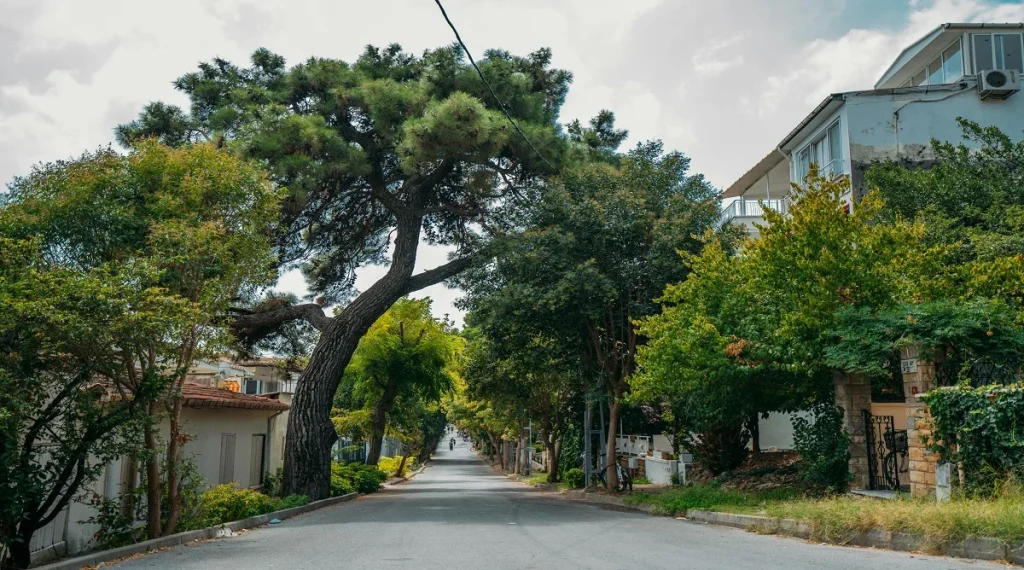
Tree cover can significantly improve evening cooling because shaded surfaces absorb less heat during the day. Open soil and planted areas also behave differently from paved ground, as they don’t store and release heat in the same way.
Landscape and climate specialists often explain that trees support cooler evenings by reducing direct sunlight and lowering how much heat builds up in the first place. This means the area begins cooling from a lower starting point once the sun sets.
Even small amounts of greenery can make a noticeable difference. When shade and planted spaces are spread throughout a neighborhood, the cooling effect tends to be more consistent than when greenery is limited to just a few areas.
How airflow affects warm evening air
Airflow is another key factor. Moving air helps carry heat away from buildings, streets, and outdoor spaces. In areas where airflow is blocked—by walls, fences, parked cars, or tightly spaced structures warm air can become trapped and linger longer.
Local environment specialists often note that cooling depends not just on time, but on air movement. Without circulation, stored heat remains concentrated around homes and walkways, making the environment feel heavier and less comfortable.
This is why two neighborhoods with similar temperatures can feel very different in the evening. Better airflow often makes the air feel lighter and helps the area cool down more quickly.
Credit: Sami TÜRK / Pexels
Why weak evening cooling affects homes and sleep
When a neighborhood cools slowly, homes often follow the same pattern. Opening windows in the evening may not bring relief if the incoming air is still warm. Bedrooms can hold onto heat longer, and cooling systems may need to run later into the night to create a comfortable space. This affects both energy use and sleep quality.
Home comfort experts often point out that this becomes more noticeable during stretches of hot weather. If a home doesn’t release enough heat overnight, the next day starts from a warmer baseline. Over several days, that buildup can make indoor spaces feel increasingly uncomfortable.
This is why evening cooling matters just as much inside the home as it does outdoors. The surrounding environment plays a direct role in how well indoor spaces recover after heat.
What experts recommend households notice first
Experts often suggest starting by observing where warmth lingers most in the evening. A hot patio, a stuffy bedroom, a paved yard that stays warm after sunset, or a street with little shade can all point to areas where heat is being retained.
Urban planners and home advisers often recommend looking at factors like tree cover, surface materials, and airflow before assuming the issue is only the weather. Shade, planted areas, and better air movement can all support improved evening cooling over time.
Evening cooling tends to feel weaker in certain neighborhoods because local design influences how heat is stored and released. Understanding these patterns helps househo
Frequently Asked Questions
Q: Why does evening cooling feel weaker in some neighborhoods?
A: Some neighborhoods hold more heat in roads, walls, and paved surfaces, which release warmth slowly after sunset.
Q: Does tree cover help evening cooling?
A: Yes. Experts often explain that tree shade reduces daytime heat buildup, which helps neighborhoods cool more effectively later.
Q: Can warm evening air affect sleep?
A: Yes. If neighborhoods and homes stay warm after sunset, bedrooms may cool more slowly and feel less comfortable overnight.
Q: Is weak evening cooling only about air temperature?
A: No. Surface heat, local airflow, and neighborhood design all influence how quickly an area actually feels cooler.
Key Takeaway
Evening cooling can feel weaker in some neighborhoods because heat stored in surfaces, combined with limited airflow, keeps warmth close to the ground after sunset. Experts often explain that nighttime comfort depends on factors like tree cover, pavement, building walls, and how easily heat can escape the area.
These local conditions shape both outdoor comfort and how quickly homes cool down after a hot day. In places with more shade, open ground, and better air movement, the evening usually feels lighter and more comfortable. In more built-up areas, heat tends to linger longer.
Understanding how evening cooling works helps households recognize why their surroundings matter so much during warm weather and why two nearby areas can feel very different at night.