
Pavement often stays hot longer than many natural surfaces because it absorbs and stores large amounts of heat during the day, then releases it slowly after the sun goes down. This lingering warmth can affect how a neighborhood feels for hours, especially during extended warm periods when roads, sidewalks, parking areas, and driveways don’t have much time to cool between days.
Urban heat researchers, building specialists, and environmental planners often point out that comfort in a neighborhood depends on more than just air temperature. Surface heat plays a major role because people walk on it, sit near it, and live alongside it. When pavement holds onto heat, entire streets can feel warmer well into the evening.
Why pavement stays hot longer than soil or grass
Pavement is typically made from materials like asphalt or concrete, which absorb sunlight easily and retain that heat. Unlike soil or grass especially when shaded these surfaces don’t cool themselves through moisture or natural ground processes. As a result, they tend to hold onto heat more effectively during sunny conditions.
Surface temperature experts often explain that pavement builds up heat throughout the afternoon and releases it slowly over time. In contrast, grass, gardens, and tree-covered soil cool more quickly because they benefit from shade, moisture, and better airflow at the surface.
This difference shows up in everyday experience. Two nearby areas can have the same weather, yet a paved space can feel noticeably hotter than a planted one simply because of how each surface handles heat.
How heat-retaining materials change neighborhood comfort
What people feel at ground level often shapes their sense of comfort more than the air temperature alone. Even if the air begins to cool, areas where pavement, walls, and parking lots are still releasing heat can feel heavy and uncomfortable.
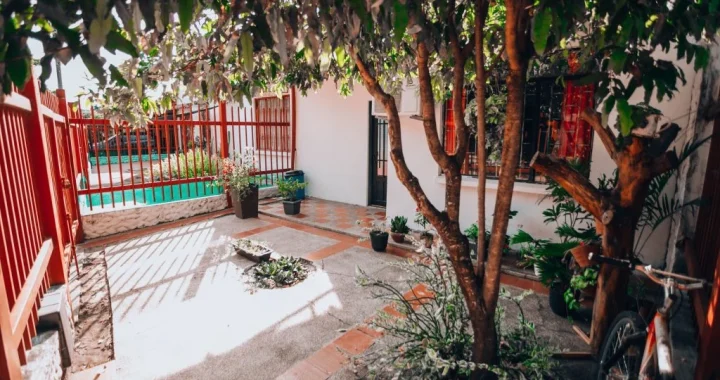
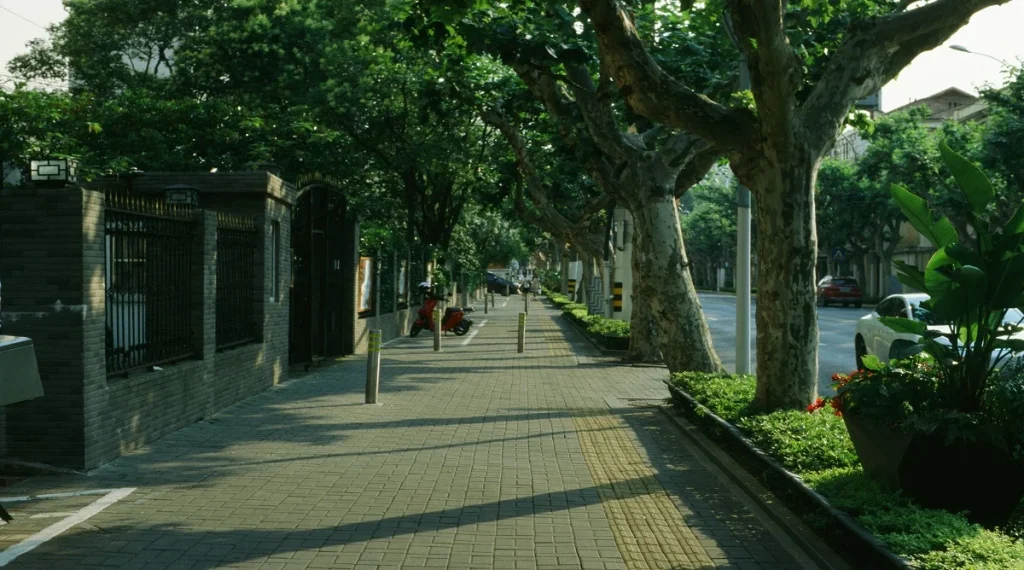
Environmental planners often note that pavement tends to stay hotter longer in places with limited shade and little exposed soil. In these areas, heat builds from multiple sources at once. Roads warm the air near the ground, nearby buildings reflect sunlight, and there are fewer cooler surfaces to offset the effect.
That’s why some neighborhoods stay warm well into the evening. It’s not just the weather overhead—it’s also the stored heat in the surfaces that surround everyday life.
Credit: Johnny Song / Pexels
Why pavement stays hot longer after sunset
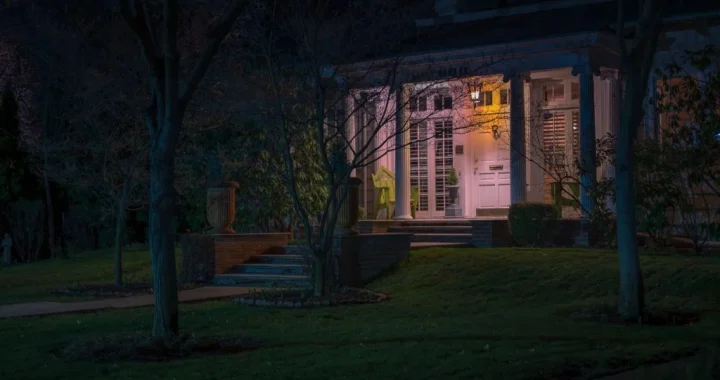
Many people expect things to cool down once the sun goes down, but paved surfaces often keep releasing heat well into the evening. That’s because materials like asphalt and concrete don’t shed warmth quickly they release it gradually over time. As a result, the air and nearby surfaces can stay warmer even after direct sunlight is gone.
Heat researchers often point out that this effect becomes more noticeable during long stretches of warm weather. If nights don’t cool much, pavement may not fully release its stored heat before the next day begins. Each afternoon then starts from a warmer baseline, and over several days, neighborhoods can begin to feel progressively hotter.
This slow release of heat helps explain why evenings in built-up areas often feel warmer than in nearby green spaces.
How pavement affects walking, waiting, and outdoor use
When pavement holds heat, everyday activities can feel more tiring. Walking to a nearby shop, waiting at a bus stop, standing at a crossing, or letting children play outside can all become less comfortable when the ground is still radiating warmth. This is especially noticeable in areas with little shade or where seating is close to paved surfaces.
Public health specialists often emphasize that outdoor comfort isn’t optional for everyone. Many people rely on walking, public transportation, or outdoor work. Others live in neighborhoods with limited access to green space. In these situations, hot pavement becomes a constant part of daily life rather than a temporary inconvenience.
That’s why surface heat is often seen as a quality-of-life issue, not just a design concern.
Why paved areas can affect homes nearby
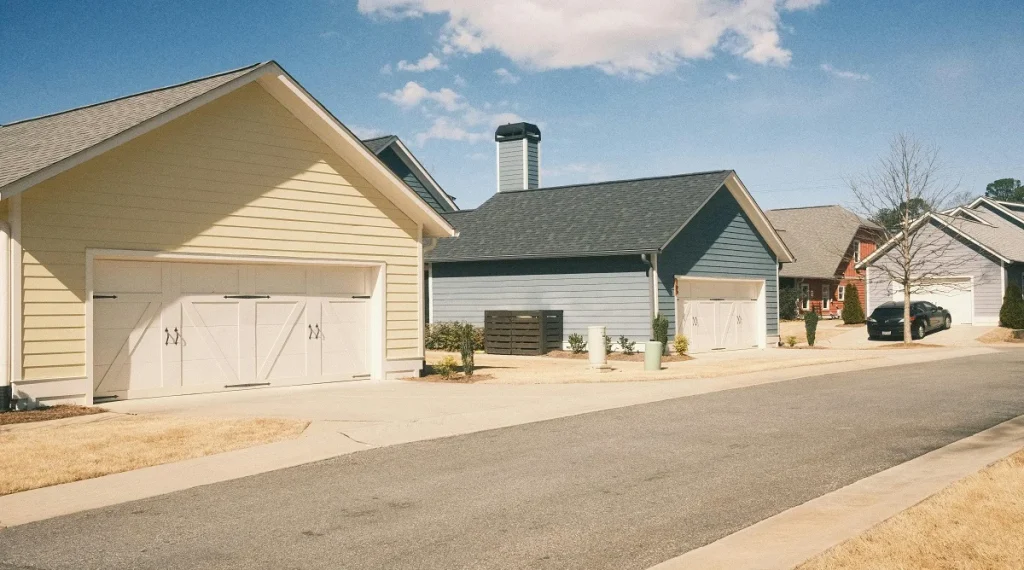
Paved surfaces around homes can also influence indoor comfort. Driveways, patios, parking areas, and nearby roads can release stored heat toward walls, windows, and entryways. In some cases, this can make certain rooms feel warmer especially those already exposed to strong afternoon sun.
Building advisers often explain that this effect is more noticeable in areas with little tree cover or limited planting. Without shade or the cooling effect of vegetation, the space around a home can hold more heat. This can make evening ventilation less effective if the incoming air is still warm from surrounding surfaces.
In this way, the materials outside the home can have a bigger impact on indoor comfort than many people expect.
Credit: Ian Ramírez / Pexels
What experts say can reduce surface heat effects
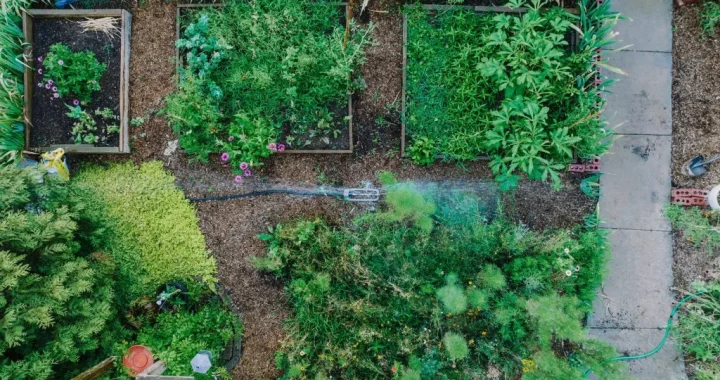
Experts often recommend combining increased shade with more thoughtful use of surfaces. Trees, planted edges, exposed soil, and limiting unnecessary paving can all help reduce surface heat over time. Urban planners frequently point out that neighborhoods feel more comfortable when paved areas are broken up by cooler elements instead of stretching continuously across the landscape.
Environmental design specialists also emphasize the importance of timing and exposure. A paved surface in shade can behave very differently from one sitting in full afternoon sun. The goal isn’t to eliminate pavement altogether roads and walkways are necessary but to reduce how much heat these surfaces absorb and how long they retain it.
That’s why features like tree cover, planting strips, and intentional outdoor design are often seen as practical cooling strategies rather than simple decoration.
Why pavement stays hot longer matters during extended heat
On a single warm day, hot pavement may feel uncomfortable but manageable. During several hot days in a row, the effect becomes more significant because there’s less time for heat to dissipate. If nights stay warm and surfaces continue storing heat, the discomfort can build quickly, making relief harder to find.
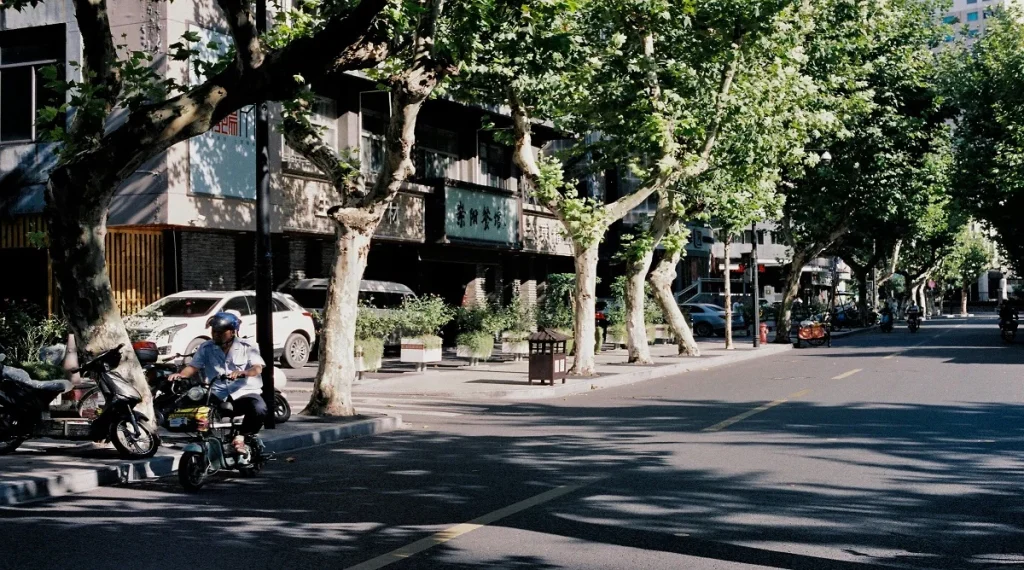
Urban climate researchers often explain that the way pavement holds heat influences how well a neighborhood cools down between hot afternoons. Streets with little shade and large paved areas tend to retain heat longer than those with more greenery. This can affect not just how people feel outdoors, but also how well they sleep, commute, and cool their homes.
Understanding why pavement stays hot longer helps highlight the importance of local design choices during warm weather. Surface heat isn’t separate from daily life it’s part of the environment people experience every day.
Frequently Asked Questions
Q: Why does pavement stay hot longer than grass?
A: Pavement absorbs and stores more heat, while grass and soil usually cool more naturally through shade, moisture, and plant activity.
Q: Can hot pavement affect neighborhood comfort after sunset?
A: Yes. Experts often explain that paved surfaces release stored heat slowly, which can keep streets and nearby areas warmer into the evening.
Q: Does pavement near homes affect indoor comfort too?
A: It can. Paved areas near walls and windows may add warmth around the home, especially where shade is limited.
Q: What helps reduce pavement heat?
A: Trees, shade, planted ground, and limiting unnecessary paved space are among the most common ways to reduce surface heat.
Key Takeaway
Pavement stays hot longer because materials like asphalt and concrete absorb heat throughout the day and release it slowly after sunset. Experts often point out that this lingering warmth affects neighborhood comfort, making streets, sidewalks, and even nearby homes feel warmer well into the evening. Adding shade, increasing planting, and using more thoughtful surface design can help reduce the impact. Understanding how pavement holds heat highlights how local environmental design plays a meaningful role in daily life during warm weather.