

Heat pumps are getting more attention as households look for ways to heat and cool their homes more efficiently without making everyday comfort harder to manage. With hotter summers, shifting winters, and a growing focus on reducing energy waste, many experts see heat pumps as a key part of modern home comfort planning.
Energy analysts, building specialists, and home efficiency advisers often explain that heat pumps stand out because they move heat rather than generate it in the same way as some older systems. That difference makes them especially relevant for households aiming to maintain comfort while using energy more efficiently.
Why Heat Pumps Matter in Modern Home Energy Use
Most people think of heating and cooling as separate needs, but in reality, they’re part of the same system. A home needs to stay warm in cooler months and comfortable in warmer ones. Heat pumps are designed to handle both, often replacing the need for separate systems.
Building experts often point out that homes are under increasing pressure to manage temperature efficiently. Longer hot periods, higher cooling demand, and greater awareness of energy use have all contributed to this shift. A system that can both heat and cool while helping reduce energy waste naturally becomes more appealing.
This is why heat pumps are often discussed as part of overall home efficiency planning not just as a technical solution, but as something that directly affects daily comfort.
How Heat Pumps Work in Simple Terms
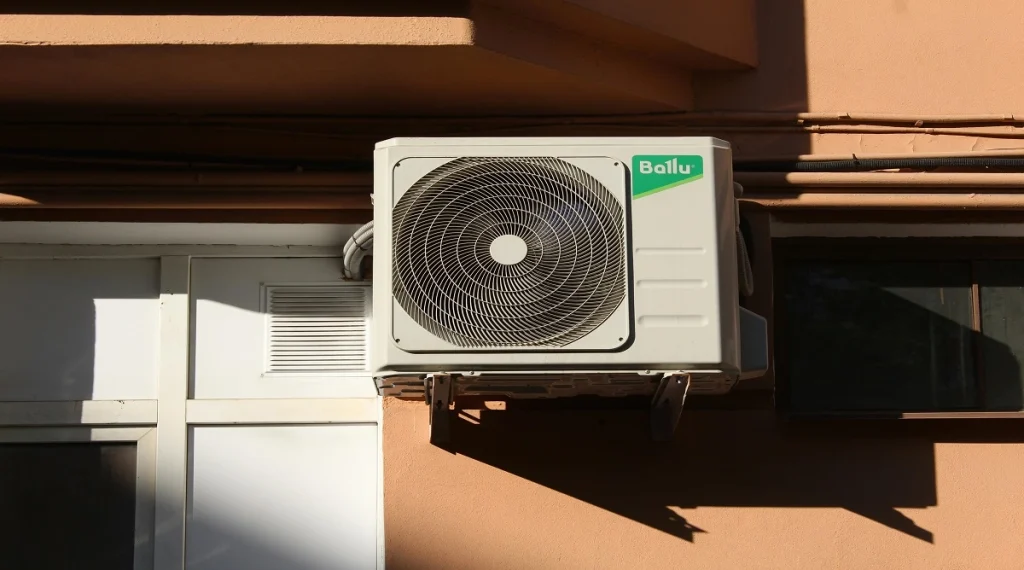
At a basic level, heat pumps work by transferring heat from one place to another. In warm weather, they move heat out of the home to keep indoor spaces cooler. In cooler weather, they pull heat from outside air (or another source) and bring it inside.
Home efficiency specialists often highlight that this method can be more efficient than systems that generate heat directly. Instead of creating heat from scratch, the system reuses available heat and moves it where it’s needed.
While performance can vary depending on factors like climate, insulation, and system setup, the core idea stays simple: a heat pump shifts heat to maintain a comfortable indoor environment.
Credit: Paolo Rossa / Pexels
Why Heat Pumps Are Linked to Lower Energy Waste
Lower energy waste is one of the main reasons heat pumps are often highlighted in sustainable home planning. When heating and cooling are handled more efficiently, homes can reduce unnecessary energy use during peak demand such as very hot afternoons or colder periods when older systems tend to work harder to maintain comfort.
Energy advisers often point out that reducing waste is never about a single device alone. Insulation, air sealing, ventilation, window use, and everyday habits all play a role. Still, heating and cooling usually account for a large share of household energy use, so improving that part of the system can have a meaningful effect on overall consumption.
For this reason, experts usually describe heat pumps as most effective when they’re part of a broader efficiency approach, rather than a stand-alone solution.
How Heat Pumps Fit Into Cleaner Home Comfort Planning
Cleaner home comfort is about maintaining livable indoor conditions while using energy in a more efficient and adaptable way. Heat pumps often fit into this approach because they can work alongside improvements like better insulation, improved airflow, shading strategies, and more thoughtful temperature routines.
Energy system researchers often explain that when homes use energy more efficiently, cleaner electricity sources can go further. If a household reduces unnecessary demand while using equipment designed for better performance, the overall system becomes easier to balance. While results vary from home to home, this helps explain why heat pumps are often included in long-term energy planning.
In this sense, heat pumps matter not only for what they do inside a single home, but also for how they fit into wider efforts to use energy more effectively.
What Affects How Well Heat Pumps Perform
Experts often emphasize that heat pumps don’t work in isolation. The condition of the building has a major impact on performance. A home with poor insulation or significant air leaks may still struggle to maintain comfort, regardless of the system installed. Windows, ventilation, layout, and airflow all influence how well heating and cooling systems perform day to day.
Building specialists often recommend viewing the home as a complete system. If one room overheats in the afternoon or loses warmth quickly, the issue may not be the equipment alone. It could also involve sun exposure, insulation gaps, or uneven airflow.
That’s why heat pumps are usually discussed as part of overall home performance. They tend to work best when combined with improvements that help the home hold and manage temperature more effectively.

Credit: Vitaly Gariev / Pexels
Why Heat Pumps Matter During Changing Weather Patterns
Changing weather patterns are making home comfort less predictable. Many regions now experience longer cooling seasons, warmer nights, and wider temperature swings throughout the year. Homes that once depended on a single seasonal routine may now need more flexible ways to stay comfortable. Heat pumps are often part of this conversation because they can support both heating and cooling within one system.
Climate and building researchers often point out that flexibility is becoming more valuable in residential design. A system that can handle both summer and winter conditions helps households adapt when seasons don’t follow familiar patterns. While this doesn’t replace the need for good building design, it can support a more stable indoor environment as conditions shift.
This is one reason heat pumps are often discussed not just in terms of efficiency, but also resilience. They relate to how well a home can maintain comfort across seasons that may no longer feel as consistent as before.
What Experts Recommend Households Understand First
Experts often suggest starting with two simple questions: Where is the home losing comfort, and what is driving most of the heating and cooling demand? Understanding these basics makes it easier to decide what improvements will have the most impact.
Home efficiency advisers typically recommend looking at drafts, uneven room temperatures, airflow issues, shading, and daily thermostat habits before focusing only on equipment. While heat pumps can offer real benefits, the best results usually come when they are paired with a clear understanding of how the home performs overall.
In that sense, heat pumps matter because they fit into a larger picture a home that uses energy more thoughtfully, adapts better to changing conditions, and maintains comfort without relying solely on increased energy use.
Frequently Asked Questions
Q: What do heat pumps do?
A: Heat pumps move heat from one place to another to help cool homes in warm weather and provide heating in cooler periods.
Q: Why are heat pumps often linked to efficiency?
A: Experts often explain that heat pumps can support efficient home heating and cooling because they are designed around moving heat rather than only generating it directly.
Q: Do heat pumps work best on their own?
A: No. Their performance is usually stronger when the home also has good insulation, useful airflow, and reduced heat loss or heat gain.
Q: Why do heat pumps matter more now?
A: They matter more because homes are trying to reduce lower energy waste, manage changing weather patterns, and support cleaner home comfort over time.
Key Takeaway
Heat pumps matter because they support more efficient heating and cooling while encouraging households to think more carefully about energy use and everyday comfort. Experts often point out that their benefits become clearer when they’re combined with better insulation, improved airflow, and practical efficiency habits.
They’re part of a broader shift toward homes that respond more effectively to changing weather and evolving energy needs. Understanding how heat pumps fit into this picture helps connect comfort, efficiency, and cleaner energy use as part of the same goal rather than separate concerns.