
Lots of people would like to throw away less food, but aren’t sure where to begin. Home composting is actually fairly easy if you take it one step at a time. Get the ingredients in the right proportions and your heap or container of composting material will transform kitchen and garden leftovers into good stuff for your soil.
People who really know about decreasing waste, those in the know about soil, and teachers of gardening will all tell you the important thing isn’t doing it flawlessly, it’s finding the right equilibrium. What usually trips up people who are starting out is using unsuitable items, a pile that’s too soggy or being impatient for finished compost.
Why people choose to start composting at home
When you compost, you’re giving your food leftovers and garden bits a second life. Rather than throwing away things like fruit and vegetable peels, pruned branches, and fallen leaves with the garbage, you can turn them back into good stuff for the earth. This means less trash, and it’s great for anyone who likes to grow things.
Plus, people who teach about the environment say that composting really makes you realize how much “stuff” from nature you actually throw away in a week. Becoming aware of this amount frequently means you’re more careful when you’re deciding on what to cook and you ultimately create less waste.
What to add when you start composting at home
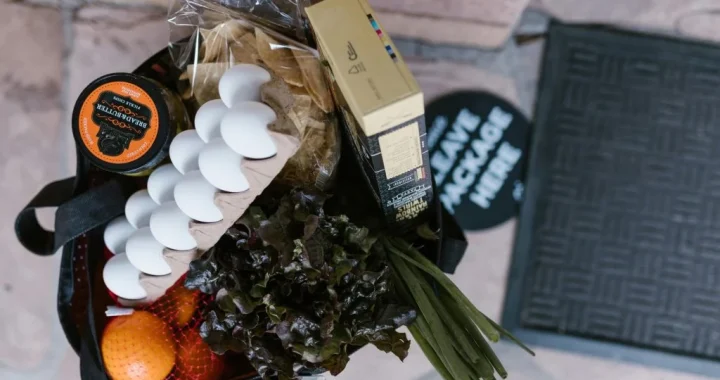
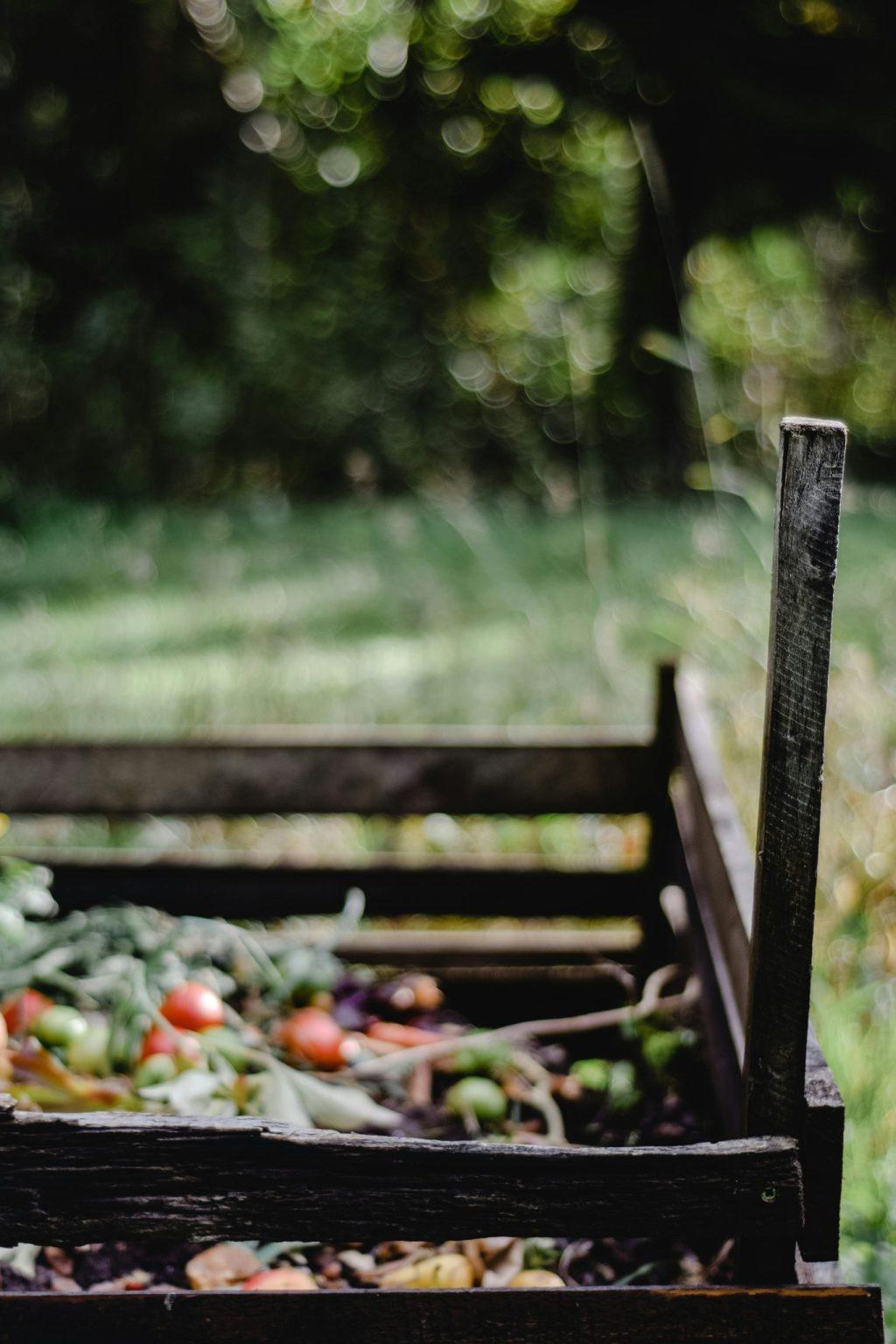
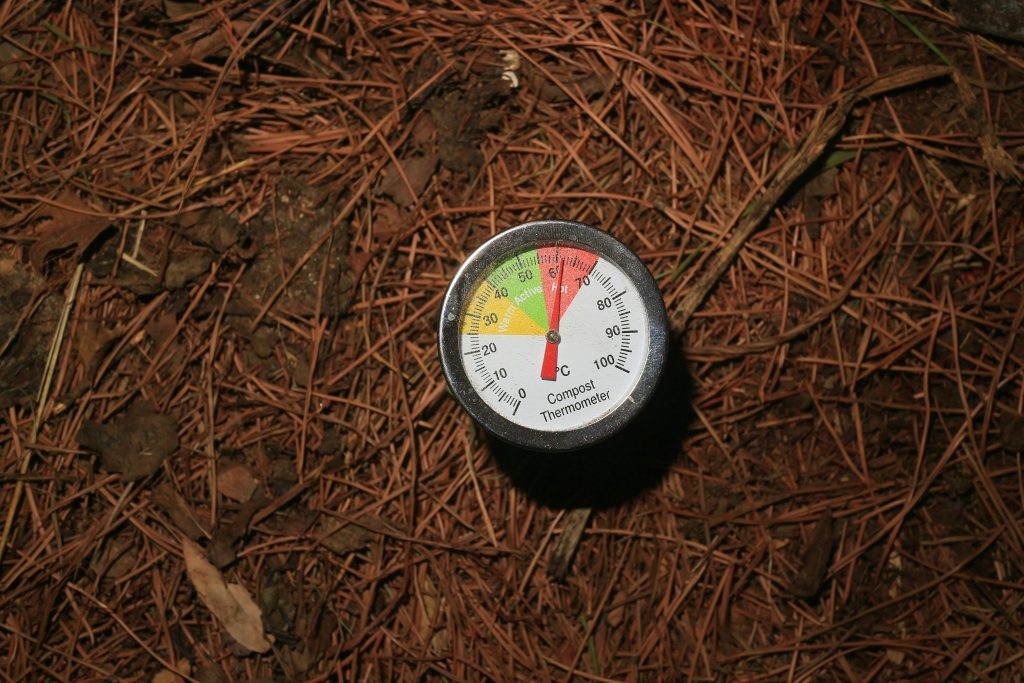
To get a good compost heap going you really need a combination of ‘greens’ and ‘browns’. Fruit and vegetable bits, coffee grounds, and freshly cut plants are all greens. For browns you’d use dry leaves, paper, cardboard or a little bit of wood that hasn’t been chemically treated.
Experts in soil and compost say it’s about getting a good amount of wet, nourishing stuff alongside dry, carbon-rich stuff. If you only have food waste it will get soggy and squashed down. If you have only dry things, it won’t rot fast enough.
Credit: Dino / Pexels
What beginners should avoid adding
You can’t put just anything from the organic category into your home compost. Things like meat, dairy products, very oily foods, and loads of cooked food that’s already been on the table tend to smell and attract animals. And typically, you shouldn’t compost pet poop in a normal home compost setup.
Actually, people who teach about composting suggest finding out what kind of composting you are doing. Some of the more complicated systems can deal with a lot more different things than a simple heap in the garden. For most of us though, sticking to simpler stuff is easier to handle.
How moisture and airflow keep compost moving
Lots of people starting to compost do not pay enough attention to how air moves through the pile, and that’s a pretty common error. Compost absolutely requires oxygen to decompose correctly. If you compress it and it gets too wet, it will begin to smell awful and the decomposition will happen at a slower speed. Conversely, a pile that gets excessively dry won’t really change for quite a long time.
A texture like a sponge you’ve squeezed (so it has moisture but isn’t dripping) is what professionals generally recommend. And, every once in a while mixing it up, or ‘turning’ it, gets air into the compost, distributes the water, and allows all the ingredients to break down at roughly the same rate.
How long a home compost bin usually takes
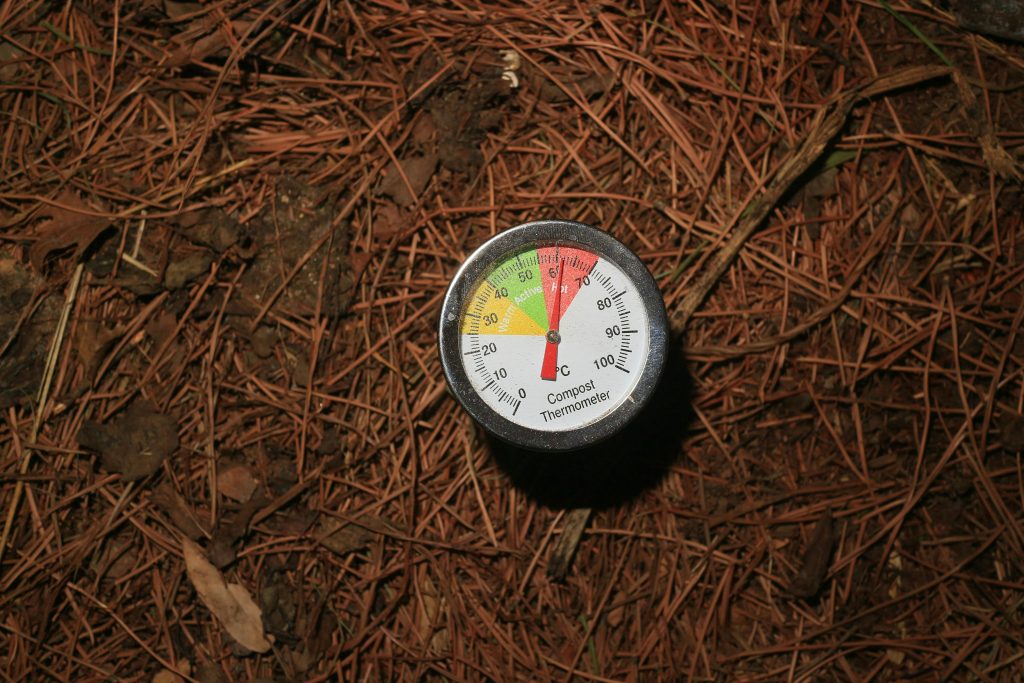
You won’t get lovely, usable compost in a single day. How long it takes is affected by the compost’s dimensions, the kind of materials you’re composting, how frequently you turn it, and the weather in your area. Compost generally happens more quickly when it’s warm, and slows down in colder temperatures.
Garden experts who advise newcomers usually point out that you’ll see changes happening at different speeds. Larger pieces will hang around for some time, but things like fruit and vegetable peelings will decompose much more quickly. Being patient is simply something you need to do!
Credit: Dino / Pexels
How to use finished compost
Good compost will be dark in color, have a lovely earthy smell, and you won’t be able to tell what it used to be. You can dig it into your garden beds, use it as a dressing for plants, or mix it with soil you’re trying to improve. Even if you don’t have a garden, you can use a little in pots or give some to people nearby.
And you’ll get the most from composting if you think of it as something you do all the time. Adding small amounts each week and looking at it fairly regularly is a lot more effective than making a huge effort now and then.
Frequently Asked Questions
Q: What is the easiest way to start composting at home?
A: A basic compost bin with fruit scraps, vegetable peels, dry leaves, and shredded paper is often the simplest place to begin.
Q: Why does a home compost bin smell bad?
A: Odor often means the pile is too wet, too compacted, or filled with materials that do not belong in a basic system.
Q: Can apartment households start composting at home?
A: In many cases, yes. Small indoor systems or community compost programs can help households compost even without a yard.
Q: How long does compost take to finish?
A: It depends on ingredients, temperature, moisture, and airflow, but many home systems take weeks to several months.
Key Takeaway
When you begin composting in your yard, you’ll typically require food waste, things to make it dry, air to circulate, and a bit of time. Most troubles for people just starting out aren’t because composting is difficult, but because the ingredients aren’t properly balanced. Those with more experience suggest you don’t overthink the system, and instead just watch how the compost pile is developing. With a regular routine, learning to compost at home is a great way to throw away less and build good dirt for your garden.