

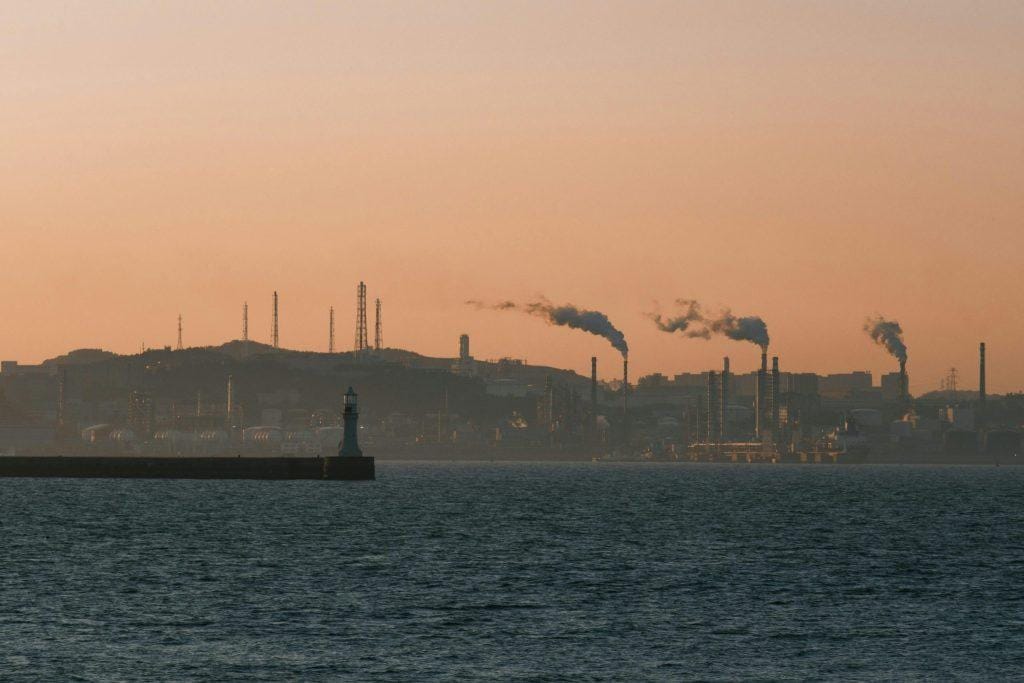
Bad air doesn’t just make cities look gloomy. It really changes the way people live, affecting things like what happens at school, when and how much people exercise, the conditions at work, and even how often we throw open the windows or generally enjoy being outside. Lots of families will realize it when a smoggy blur stays around, it becomes harder to breathe, or the area sends out warnings to be careful.
Those who study the environment and health, monitor the air, and do research in public health all say that pollution in your neighborhood isn’t simply a problem that builds up over years. It quickly puts a strain on day-to-day living, specifically for kids, senior citizens, those whose jobs are outside, and anyone who has trouble with their lungs.
Why poor air quality can change daily routines quickly
People usually start to change what they do before they know exactly what’s making the air bad. For example, families will call off kids’ games outdoors, spend less time on walks or just keep the windows shut. And schools, work and local facilities will also alter what they’re doing when pollution gets to be too much.
According to air quality specialists, pollution can originate from cars, factories, smoke from wildfires, dust, and weather patterns which hold pollution near the surface. In many areas, it gets worse on hot, calm days as the dirty air doesn’t spread around.
Because of this, bad air feels as though it’s a problem right where you are and is affecting you now. Though the reasons for the bad air might be over a wider area or with the seasons, you see the impact in what you do to get to work, how you exercise and simply how much time you spend being outdoors.
How poor air quality affects comfort and health
If you’re exposed to pollution for a short while, your eyes, nose and throat will likely get irritated. Plus, a lot of people get a cough, a headache, a tight feeling in their chest or feel much more tired than usual when they’re outside during very polluted times. Health experts regularly tell people with asthma or other illnesses that make breathing difficult to be especially careful.
Researchers who study health and the environment in cities have also said that when the air is dirty it can disturb sleep and make it harder to focus. And if it’s hot and the air is polluted, it can lower how comfortable you are inside. That’s because you have to decide between letting fresh air in or being exposed to the pollution.
Credit: Riki Risnandar / Pexels
Why some neighborhoods feel local air pollution more strongly
Air pollution doesn’t affect everyone equally. The areas alongside roads, places with lots of factories, spots with few trees and older neighborhoods are often where pollution is at its highest. That’s why actually measuring pollution in specific places is more useful than just making guesses.
To figure out which communities are constantly breathing in the worst air, environmental planners frequently use data from pollution monitoring stations, how much traffic there is, and the weather. Wind direction, hills, and how tightly packed buildings are in an area can all influence where pollutants travel, and therefore also affect local pollution levels.
What experts say households can do during poor air quality events
When air quality is bad, most professionals suggest doing things that will actually help, not just worrying. Families can look at how polluted the air is in their area, cut back on intense exercise outside, improve the air inside their home and save outdoor work for when the air gets better. Schools and businesses might change their hours if pollution is much higher than normal.
Most homes are helped by being a little ready. Having clean air filters, windows that don’t let air in, and knowing what the air quality is in your part of town will lessen how much pollution you are exposed to. These things won’t fix the overall problem, but they will likely decrease your chances of problems each day.
Why better local planning matters
How a city is laid out, how people get around, how much green space there is, how industries are controlled and how we deal with things like wildfires all affect local air pollution. City officials who do planning and the people in charge of the environment generally think about all of these things at once, as what one person does isn’t going to solve the problem of breathing bad air over and over.
Things get better with air pollution when we have a better system for measuring it, when people are warned plainly about dangers and when the roads, public transport and parks are designed to be both cleaner and safer. Essentially, looking after the local environment is a vital part of protecting people’s health.
Frequently Asked Questions
Q: What causes poor air quality in cities?
A: Common causes include traffic emissions, industrial smoke, wildfire haze, dust, and weather conditions that trap pollution near the ground.
Q: Who is most affected by poor air quality?
A: Children, older adults, outdoor workers, and people with asthma or other breathing conditions often face the highest short-term risk.
Q: Can poor air quality affect indoor life too?
A: Yes. Polluted outdoor air can reduce indoor comfort, especially when households need ventilation during warm weather.
Q: How can people check local air pollution levels?
A: Many communities provide local air quality updates through government dashboards, weather apps, or environmental alerts.
Key Takeaway
How good or bad the air is affects what we do each day; we can’t be outside as much, it’s harder to breathe, and our normal habits around town get disrupted. People who know about these things generally think of it as a problem for both the environment and our health. What’s happening in your specific area is important, because pollution levels are almost never consistent throughout a whole city or town. When we grasp what’s going on with the air quality, families can be more cautious and cities can make more effective decisions for the future.