Author: Megan Harlow

  • Why Drought Conditions Affect More Than Water Supply Alone

    Why Drought Conditions Affect More Than Water Supply Alone

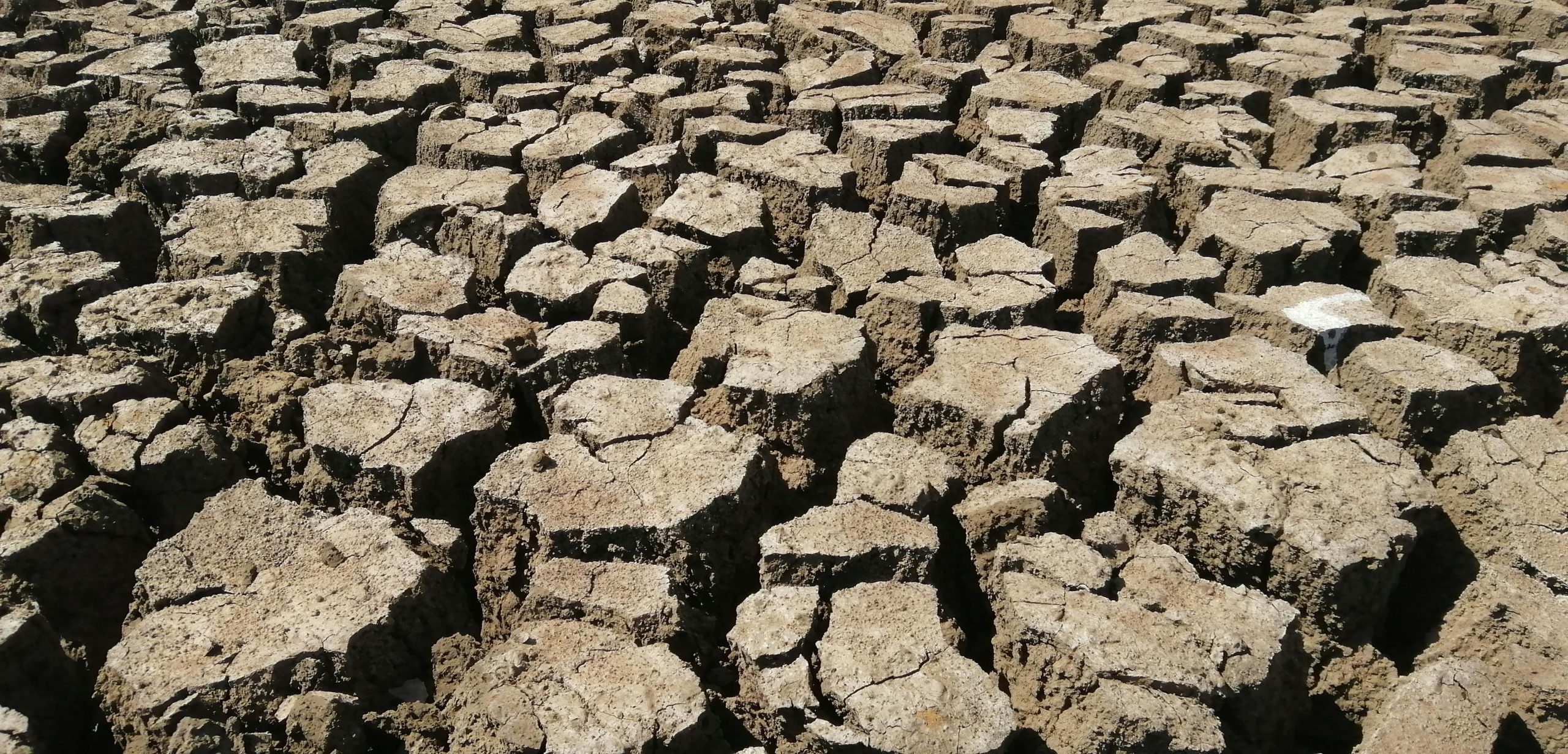
    We usually hear about droughts in relation to how full lakes are, how much it’s rained, and farming, but the impact is much wider than that. They change how people live at home, what cities can afford, how much food costs, what the area around us looks like, and how dependably we get things like water and electricity.

    Scientists who study climate, people who oversee water supplies, and experts in farming will tell you that drought isn’t simply a time without rain. It’s a bigger, everyday problem as the shortage of water impacts our water supply, growing things, work done outside, and a community’s ability to share and deal with the water they have.

    Why drought conditions change daily routines

    As water gets harder to get, the things we normally do start to change. You might not be able to water the grass, washing the car could be limited, and people tend to be more mindful of how long their showers are, how often they do laundry, and cleaning outside. Initially these are little things, but you definitely notice them more when it doesn’t rain for a long time.

    Generally, people in charge of the area, and experts on saving water, describe these changes as sensible ways to adapt, not as dealing with an emergency. They are usually trying to lower the amount of water we don’t need to use before things get really bad with water being short.

    How drought conditions affect food and household costs

    When there isn’t enough rain, farms, animals, and getting food around the country all suffer. This difficulty often pushes up the cost of fruit, cereal, and anything else we eat. You won’t necessarily see this happen instantly, but if things stay dry for a long time, it will eventually affect how much you spend on groceries.

    Farmers will tell you drought doesn’t just impact how much food there is, but how good it is and when it’s available. Some harvests will be smaller, be delayed, or need expensive extra watering. All this changes how much of something there is and you’ll probably begin to see that in the shops weeks or months from now.
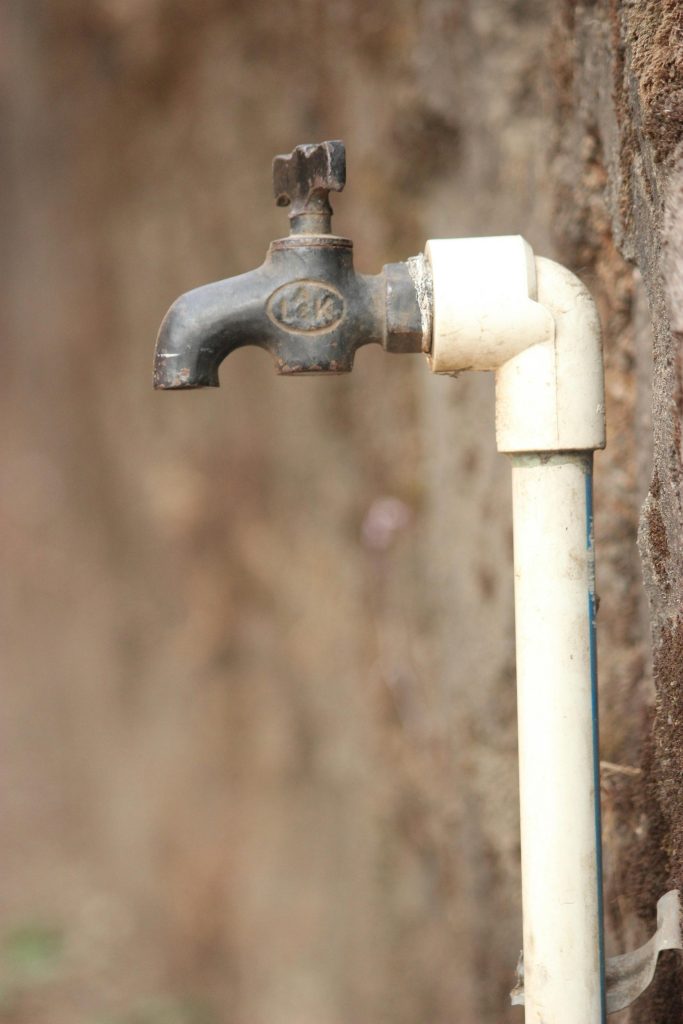
    Drought conditions affecting household water access through a dry outdoor faucet
    Credit: Sanket Photography / Pexels

    Outdoor spaces and local ecosystems feel the pressure too

    When there isn’t enough rain, parks, gardens, trees and other green areas in towns and cities really suffer. The ground gets dry, plants get weaker, and plants are what provide cooling in a location, so if they are doing badly, it gets warmer around there. These green places are important to many neighborhoods because they’re where people feel comfortable, get shade, and where wildlife lives.

    Also, both ecologists and people who plan cities frequently say that drought makes the problem of being too hot in already hot cities even worse. Without as much plant life, pavements and other hard surfaces during the summer will probably be much hotter and much less pleasant to be near.

    Why local services become part of the drought story

    Drought doesn’t just impact how we use water at home. City finances will likely go up as water systems need to be watched more closely, be fixed, have pumping changed, and as the city needs to inform the public. Also in certain areas, wildfires become more likely which increases the burden on those dealing with emergencies.

    Experts who work with water systems are keen to point out that planning for drought is about making sure things keep working, just as much as it is about having too little water. Towns require water supplies that don’t fail for people’s houses, for sewage disposal, for parks and public areas, and for businesses within the town, even if it doesn’t rain for a long time.

    What experts recommend during water scarcity impacts

    Instead of just using water as you normally do, specialists say it’s best to be more thoughtful about how you use it. Fixing drips, not watering your lawn for quite as long, using mulch, installing water-saving showerheads and toilets, and watering outside at the right time of day are all ways to make a difference. Because many of us get our water from the same place, we all need to be careful with it, or the whole system suffers.

    And a single rainy week won’t get rid of a drought. Because of this, experts say we should be looking ahead and planning for the future, not just dealing with things as they happen.

    Frequently Asked Questions

    Q: What are drought conditions?
    A: Drought conditions happen when an area experiences extended dryness that affects water supply, soil moisture, ecosystems, or daily water use.

    Q: Do drought conditions only affect farms?
    A: No. They can also affect household routines, food prices, parks, city budgets, and wildfire risk.

    Q: Why does drought make cities feel hotter?
    A: Dry soil and stressed vegetation reduce cooling effects, which can make built areas feel warmer during hot weather.

    Q: What can households do during drought?
    A: Households can reduce leaks, use water more efficiently, and follow local restrictions designed to protect shared supply.

    Key Takeaway

    Drought doesn’t just mean there’s less water; it slowly changes how we live, how much our food costs, our parks and gardens, and how much our towns and cities have to cope with. In fact, professionals frequently say drought is as much about how we live each day as it is about the climate changing. And when communities grasp how bad the drought is, they can start to plan more intelligently and use water in a better way.

    [INTERNAL LINKING SUGGESTIONS]
    – What Poor Air Quality Means for Daily Life in Urban Areas
    – How Water-Saving Habits Support Homes During Dry Seasons
    – Why Heat Waves and Drought Often Happen Together
  • How to Start Composting at Home Without Common Beginner Mistakes

    How to Start Composting at Home Without Common Beginner Mistakes

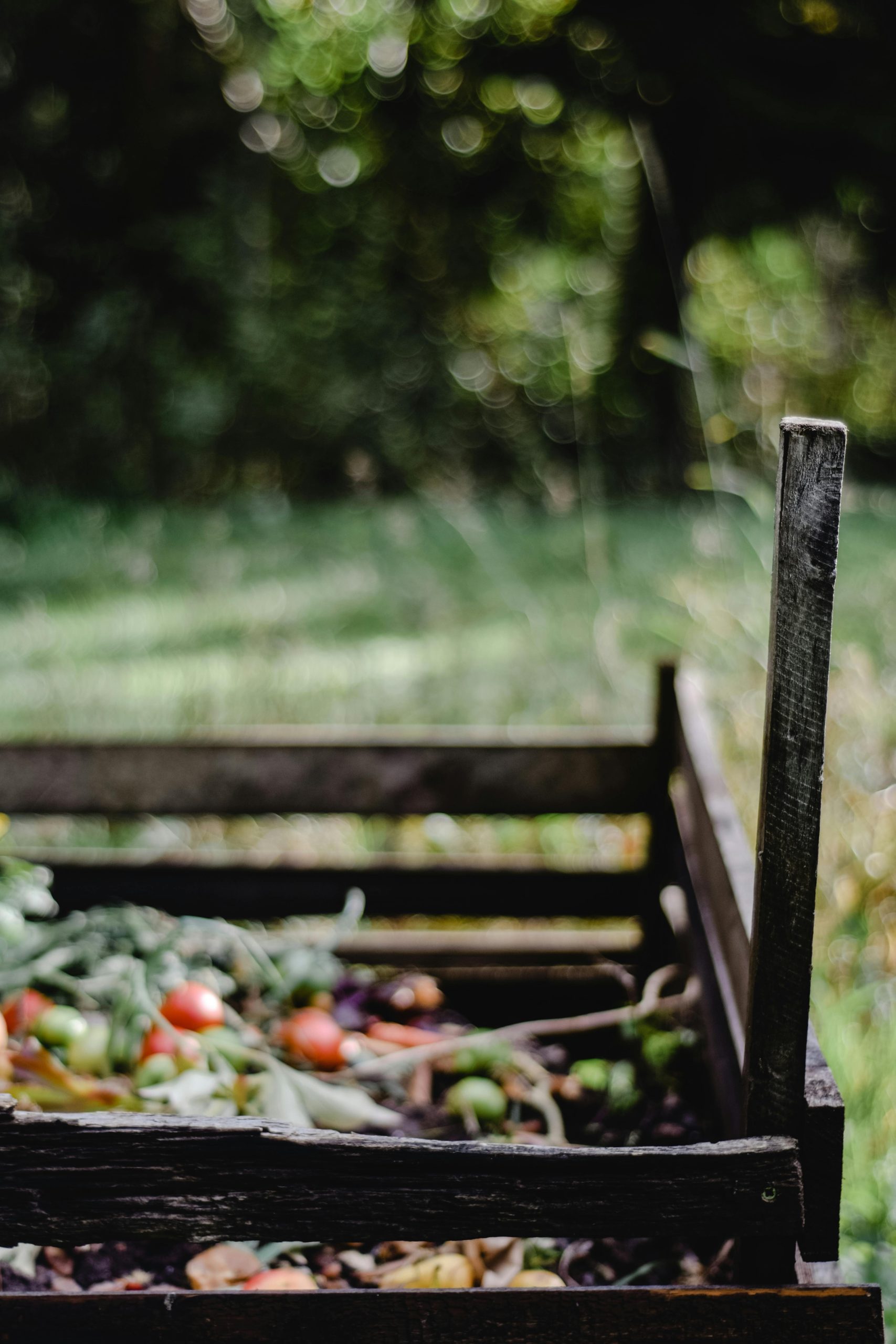
    Lots of people would like to throw away less food, but aren’t sure where to begin. Home composting is actually fairly easy if you take it one step at a time. Get the ingredients in the right proportions and your heap or container of composting material will transform kitchen and garden leftovers into good stuff for your soil.

    People who really know about decreasing waste, those in the know about soil, and teachers of gardening will all tell you the important thing isn’t doing it flawlessly, it’s finding the right equilibrium. What usually trips up people who are starting out is using unsuitable items, a pile that’s too soggy or being impatient for finished compost.

    Why people choose to start composting at home

    When you compost, you’re giving your food leftovers and garden bits a second life. Rather than throwing away things like fruit and vegetable peels, pruned branches, and fallen leaves with the garbage, you can turn them back into good stuff for the earth. This means less trash, and it’s great for anyone who likes to grow things.

    Plus, people who teach about the environment say that composting really makes you realize how much “stuff” from nature you actually throw away in a week. Becoming aware of this amount frequently means you’re more careful when you’re deciding on what to cook and you ultimately create less waste.

    What to add when you start composting at home

    To get a good compost heap going you really need a combination of ‘greens’ and ‘browns’. Fruit and vegetable bits, coffee grounds, and freshly cut plants are all greens. For browns you’d use dry leaves, paper, cardboard or a little bit of wood that hasn’t been chemically treated.

    Experts in soil and compost say it’s about getting a good amount of wet, nourishing stuff alongside dry, carbon-rich stuff. If you only have food waste it will get soggy and squashed down. If you have only dry things, it won’t rot fast enough.

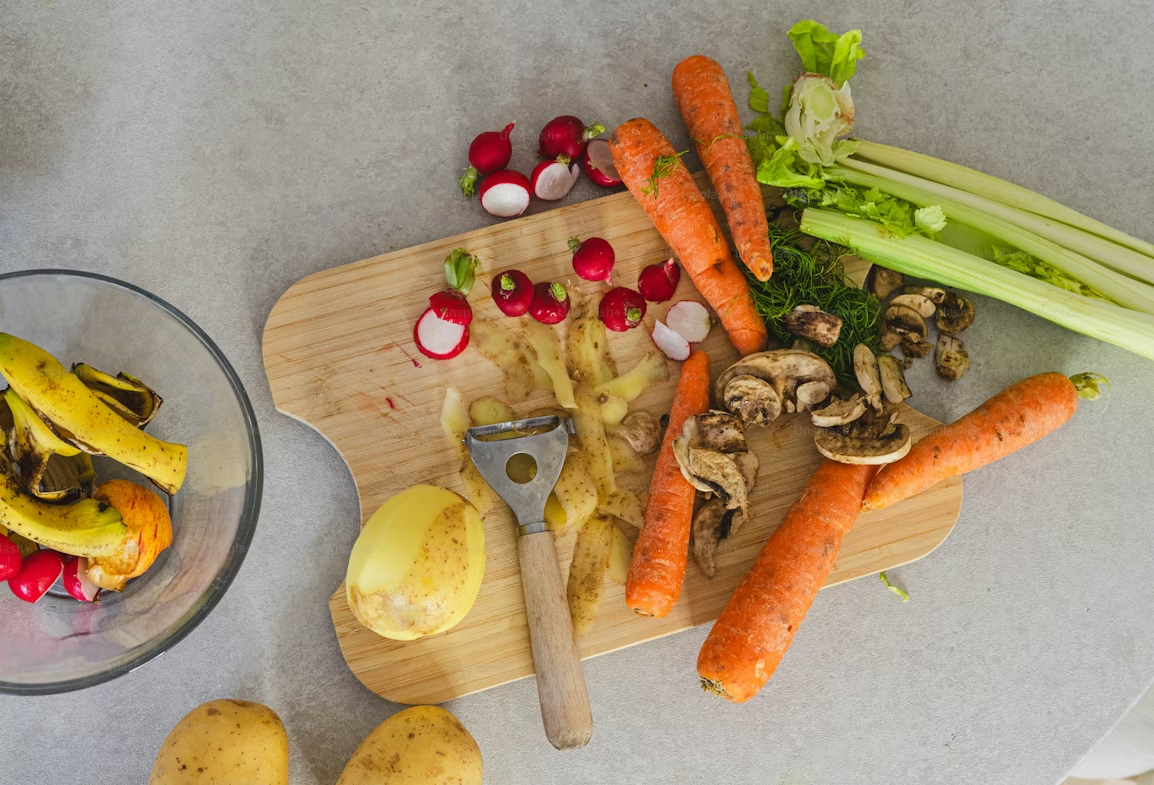
    Kitchen scraps composting as part of learning how to start composting at home
    Credit: Dino / Pexels

    What beginners should avoid adding

    You can’t put just anything from the organic category into your home compost. Things like meat, dairy products, very oily foods, and loads of cooked food that’s already been on the table tend to smell and attract animals. And typically, you shouldn’t compost pet poop in a normal home compost setup.

    Actually, people who teach about composting suggest finding out what kind of composting you are doing. Some of the more complicated systems can deal with a lot more different things than a simple heap in the garden. For most of us though, sticking to simpler stuff is easier to handle.

    How moisture and airflow keep compost moving

    Lots of people starting to compost do not pay enough attention to how air moves through the pile, and that’s a pretty common error. Compost absolutely requires oxygen to decompose correctly. If you compress it and it gets too wet, it will begin to smell awful and the decomposition will happen at a slower speed. Conversely, a pile that gets excessively dry won’t really change for quite a long time.

    A texture like a sponge you’ve squeezed (so it has moisture but isn’t dripping) is what professionals generally recommend. And, every once in a while mixing it up, or ‘turning’ it, gets air into the compost, distributes the water, and allows all the ingredients to break down at roughly the same rate.

    How long a home compost bin usually takes

    You won’t get lovely, usable compost in a single day. How long it takes is affected by the compost’s dimensions, the kind of materials you’re composting, how frequently you turn it, and the weather in your area. Compost generally happens more quickly when it’s warm, and slows down in colder temperatures.

    Garden experts who advise newcomers usually point out that you’ll see changes happening at different speeds. Larger pieces will hang around for some time, but things like fruit and vegetable peelings will decompose much more quickly. Being patient is simply something you need to do!

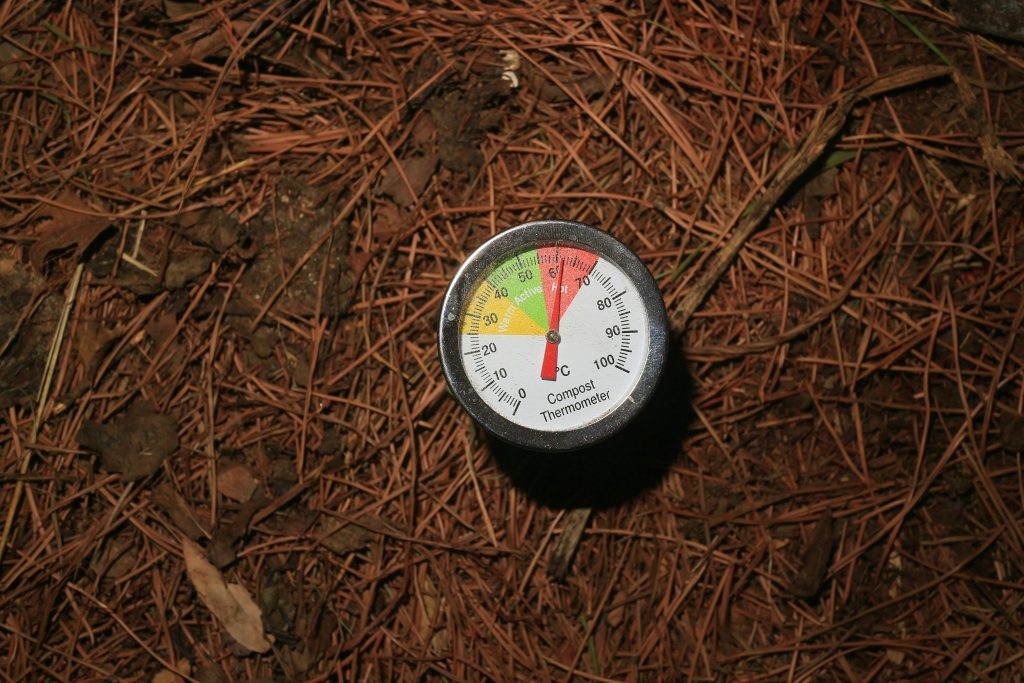
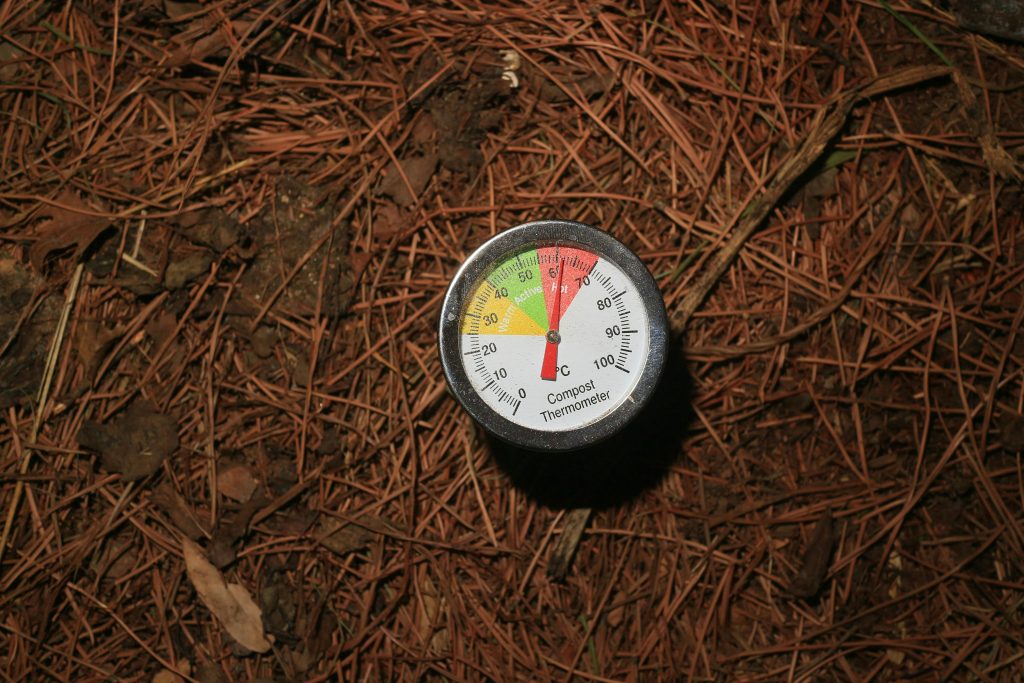
    Composting basics shown with a compost thermometer in active material
    Credit: Dino / Pexels

    How to use finished compost

    Good compost will be dark in color, have a lovely earthy smell, and you won’t be able to tell what it used to be. You can dig it into your garden beds, use it as a dressing for plants, or mix it with soil you’re trying to improve. Even if you don’t have a garden, you can use a little in pots or give some to people nearby.

    And you’ll get the most from composting if you think of it as something you do all the time. Adding small amounts each week and looking at it fairly regularly is a lot more effective than making a huge effort now and then.

    Frequently Asked Questions

    Q: What is the easiest way to start composting at home?
    A: A basic compost bin with fruit scraps, vegetable peels, dry leaves, and shredded paper is often the simplest place to begin.

    Q: Why does a home compost bin smell bad?
    A: Odor often means the pile is too wet, too compacted, or filled with materials that do not belong in a basic system.

    Q: Can apartment households start composting at home?
    A: In many cases, yes. Small indoor systems or community compost programs can help households compost even without a yard.

    Q: How long does compost take to finish?
    A: It depends on ingredients, temperature, moisture, and airflow, but many home systems take weeks to several months.

    Key Takeaway

    When you begin composting in your yard, you’ll typically require food waste, things to make it dry, air to circulate, and a bit of time. Most troubles for people just starting out aren’t because composting is difficult, but because the ingredients aren’t properly balanced. Those with more experience suggest you don’t overthink the system, and instead just watch how the compost pile is developing. With a regular routine, learning to compost at home is a great way to throw away less and build good dirt for your garden.

    [INTERNAL LINKING SUGGESTIONS]
    – What Food Scraps Households Should Never Add to Compost
    – Recycling Myths That Create More Household Waste
    – Easy Low-Waste Habits for Kitchens and Small Homes

  • How Climate Change Is Affecting Daily Life in Small but Clear Ways

    How Climate Change Is Affecting Daily Life in Small but Clear Ways

    You don’t need to see studies or political arguments to understand climate change is impacting things; lots of families are finding it in their everyday lives. Days are getting hotter, storms are getting more intense, food costs are fluctuating and the ways we keep cool at home, get around, and spend time outside are all different.

    Actually, scientists who study the environment, doctors concerned with public health, and meteorologists all say the clearest effects of a changing climate are in the things we do regularly. Because the weather is much harder to forecast and severe weather is becoming much more common, families are altering what they buy, how much power they use, and what they do on weekends.

    Why climate change is affecting daily life more often now

    Climate change used to be something many of us thought of as happening to glaciers, the ocean, or in places very far away. But now we’re feeling its effects in what we do every day. Evenings are warm for more of the time, lots of rain can block streets near where we live, and the seasons don’t happen when we expect them to.

    Climate scientists say that even a little bit of warming of temperatures overall, will create much bigger changes in extreme weather. A warmer atmosphere can hold a lot more water, meaning heavier rainfall in certain areas. And in other places, longer periods of dryness can cause water shortages and a higher chance of wildfires.

    All of these changes are important because we rely on things being pretty much the same. We organize getting the kids to school, travelling to work, paying for things, and buying food based on what is usual. When that usual isn’t as dependable, climate change is beginning to influence our daily lives and, frequently, is becoming expensive.

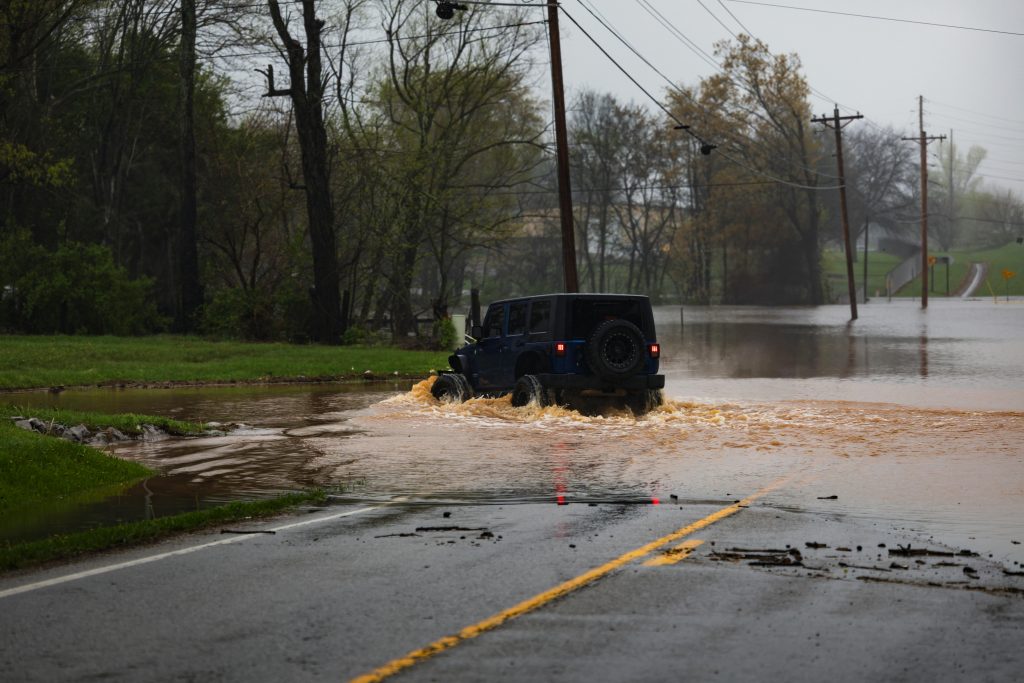
    Everyday climate impacts shown by heavy rainfall and local flooding on a suburban street
    Credit: Owen.outdoors / Pexels

    How climate change is affecting daily life at home

    We usually notice the environment changing at home. When it’s hotter than usual, our air conditioning has to work for longer, and this means a bigger electricity bill. And in the winter, when the temperature keeps jumping around, it’s harder to know how much heating you’re going to need. This all strains the family finances.

    According to those who know about buildings, older houses are likely to have a harder time in really hot spells. They weren’t built with enough insulation, proper airflow, or shade to cope with this repeated intense heat. Families might end up buying fans, blackout blinds, air purifiers, or generators, just to be comfortable and safe.

    Insurance people have also said that costs are going up in places where storms, wildfires or floods are a problem. Even if a home isn’t actually damaged, the general price of things goes up because of costs for repairs, building supplies and how insurers calculate risk, and these affect all of us.

    Food prices and supply are part of everyday climate impacts

    You can definitely see how climate change is impacting what we eat. Extreme heat, droughts, floods and changes in when things grow all mess with how much food we get and how we get it to you. And if we get a smaller harvest or it takes longer for food to be delivered, prices can go up surprisingly fast.

    Scientists who study farming point out that climate problems don’t just mean less food. They alter its quality, how you have to keep it, and when you get it. For example, fruit can become ripe too soon, some vegetables will be harder to cultivate in certain areas, and crops needing lots of water will be in a really tough spot during dry spells.

    We as shoppers will likely find this in more expensive trips to the supermarket, seasonal foods being available at different times, or finding particular things are out of stock more often. In fact, even if you don’t read about environmental issues, the price of your food each week will show you what’s going on.

    Health and routine planning are changing too

    Because of increasingly hot days, smoky conditions, worse air, and allergy seasons that last much longer, our usual activities at work, school and when we’re trying to be active get disrupted. This is particularly true for kids, senior citizens, and those with any issues with their lungs or heart.

    When the air becomes polluted or it gets extremely hot, things like playing sports outside, gatherings with family, and trips get adjusted. Mum and Dad might have to get the kids to stay in during the hottest or smokiest times. People who work outside will likely require more breaks and more to drink.

    And it’s not just our plans that are changing; our sleep suffers too. Warm evenings can prevent some of us from getting a good night’s rest and when you don’t sleep properly, it makes it harder to concentrate and affects your temperament. These are subtle, yet important, ways climate change is impacting how we live each day, beyond the big, scary disasters.

    Climate change is affecting daily life through poor air quality and indoor routine changes
    Credit: Kampus Production/ Pexels

    Travel, work, and local services face climate-related lifestyle changes

    The environment being stressed by climate change also impacts how we get around and get to work. Some places might have restrictions on flying because of the heat. Streets in towns and cities are becoming more prone to flooding. And public transport will be slower in really bad storms or when it gets very hot. These kinds of issues throw a wrench into how much people get done, and how they organize their day.

    People who work in local government, along with those who plan and build infrastructure, point out that things like roads, railways, systems for getting rid of water, and electricity supplies were originally built to cope with the kind of weather we used to have. As the weather changes, towns and cities will likely need to fix and improve these things more frequently, leading to hold-ups and the public having to pay more.

    For those doing jobs like building, delivering things, farming, or repairs, the weather can mean they can’t work for as long safely.

    What experts say households can do about everyday climate impacts

    Instead of getting upset, people who specialize in adjusting to climate change suggest things we can actually do. To make a house more comfortable, you could add shade, improve the insulation, and allow for more ventilation. Families should have a stock of essential items for when the power goes out, if it gets incredibly hot, or if there’s a lot of rain. And if you live somewhere that doesn’t get much water, conserving it is a good idea.

    Those who plan for towns and cities and those focused on sustainability emphasize doing things where you are. Neighborhoods become safer from risk through more trees, locations to go to get cool, thoughtful stormwater systems, and planning for flooding. These actions won’t eliminate the worldwide effects of climate change, but they will lessen the problems in our day to day lives.

    Climate change is already changing how we live and will probably continue to do so.

    Frequently Asked Questions

    Q: How is climate change affecting daily life at home?
    A: It can raise cooling and heating costs, increase storm-related repair risks, and change how households manage water, air quality, and indoor comfort.

    Q: Why do food prices rise during climate stress?
    A: Drought, flooding, and heat can reduce crop yields and disrupt transport. That can limit supply and increase grocery costs.

    Q: Are everyday climate impacts only about extreme weather?
    A: No. Everyday climate impacts also include poor sleep during heat, longer allergy seasons, smoke exposure, and higher insurance or utility costs.

    Q: Which groups are most affected by climate-related lifestyle changes?
    A: Children, older adults, outdoor workers, and lower-income households often face greater risk because they may have fewer options to adapt quickly.

    Key Takeaway

    Because of climate change, our everyday experiences are changing. We’re seeing this in the increased heat, more frequent storms, the cost of groceries, how much it costs to run a home, and even adjustments we make to our normal health habits. These shifts usually happen slowly over time, but they really do influence the way families are living now and what they’re thinking about for the future. People who know a lot about this say getting ready for the effects, at your place and in your town, can make things less dangerous. And when you realize how climate change impacts things you do every day, you can make sensible, well-considered decisions to deal with it.

    [INTERNAL LINKING SUGGESTIONS]
    – How Heat Waves Are Changing Energy Use in Modern Homes
    – Why Seasonal Weather Patterns Feel Less Predictable Today
    – Simple Household Habits That Reduce Climate Risk

  • What Poor Air Quality Means for Daily Life in Urban Areas

    What Poor Air Quality Means for Daily Life in Urban Areas

    Bad air doesn’t just make cities look gloomy. It really changes the way people live, affecting things like what happens at school, when and how much people exercise, the conditions at work, and even how often we throw open the windows or generally enjoy being outside. Lots of families will realize it when a smoggy blur stays around, it becomes harder to breathe, or the area sends out warnings to be careful.

    Those who study the environment and health, monitor the air, and do research in public health all say that pollution in your neighborhood isn’t simply a problem that builds up over years. It quickly puts a strain on day-to-day living, specifically for kids, senior citizens, those whose jobs are outside, and anyone who has trouble with their lungs.

    Why poor air quality can change daily routines quickly

    People usually start to change what they do before they know exactly what’s making the air bad. For example, families will call off kids’ games outdoors, spend less time on walks or just keep the windows shut. And schools, work and local facilities will also alter what they’re doing when pollution gets to be too much.

    According to air quality specialists, pollution can originate from cars, factories, smoke from wildfires, dust, and weather patterns which hold pollution near the surface. In many areas, it gets worse on hot, calm days as the dirty air doesn’t spread around.

    Because of this, bad air feels as though it’s a problem right where you are and is affecting you now. Though the reasons for the bad air might be over a wider area or with the seasons, you see the impact in what you do to get to work, how you exercise and simply how much time you spend being outdoors.

    How poor air quality affects comfort and health

    If you’re exposed to pollution for a short while, your eyes, nose and throat will likely get irritated. Plus, a lot of people get a cough, a headache, a tight feeling in their chest or feel much more tired than usual when they’re outside during very polluted times. Health experts regularly tell people with asthma or other illnesses that make breathing difficult to be especially careful.

    Researchers who study health and the environment in cities have also said that when the air is dirty it can disturb sleep and make it harder to focus. And if it’s hot and the air is polluted, it can lower how comfortable you are inside. That’s because you have to decide between letting fresh air in or being exposed to the pollution.

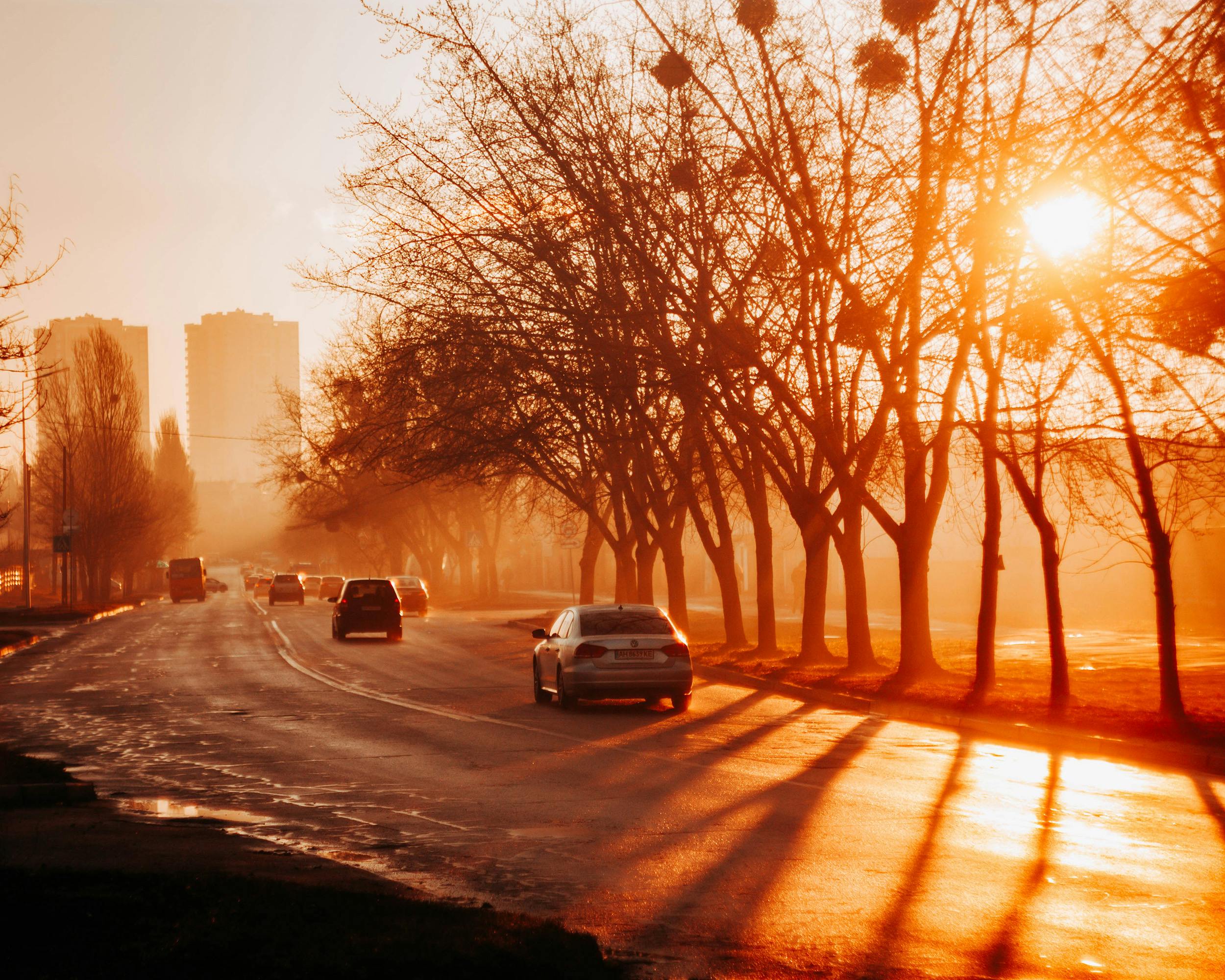
    Poor air quality and visible haze over an urban area
    Credit: Riki Risnandar / Pexels

    Why some neighborhoods feel local air pollution more strongly

    Air pollution doesn’t affect everyone equally. The areas alongside roads, places with lots of factories, spots with few trees and older neighborhoods are often where pollution is at its highest. That’s why actually measuring pollution in specific places is more useful than just making guesses.

    To figure out which communities are constantly breathing in the worst air, environmental planners frequently use data from pollution monitoring stations, how much traffic there is, and the weather. Wind direction, hills, and how tightly packed buildings are in an area can all influence where pollutants travel, and therefore also affect local pollution levels.

    What experts say households can do during poor air quality events

    When air quality is bad, most professionals suggest doing things that will actually help, not just worrying. Families can look at how polluted the air is in their area, cut back on intense exercise outside, improve the air inside their home and save outdoor work for when the air gets better. Schools and businesses might change their hours if pollution is much higher than normal.

    Most homes are helped by being a little ready. Having clean air filters, windows that don’t let air in, and knowing what the air quality is in your part of town will lessen how much pollution you are exposed to. These things won’t fix the overall problem, but they will likely decrease your chances of problems each day.

    Why better local planning matters

    How a city is laid out, how people get around, how much green space there is, how industries are controlled and how we deal with things like wildfires all affect local air pollution. City officials who do planning and the people in charge of the environment generally think about all of these things at once, as what one person does isn’t going to solve the problem of breathing bad air over and over.

    Things get better with air pollution when we have a better system for measuring it, when people are warned plainly about dangers and when the roads, public transport and parks are designed to be both cleaner and safer. Essentially, looking after the local environment is a vital part of protecting people’s health.

    Frequently Asked Questions

    Q: What causes poor air quality in cities?
    A: Common causes include traffic emissions, industrial smoke, wildfire haze, dust, and weather conditions that trap pollution near the ground.

    Q: Who is most affected by poor air quality?
    A: Children, older adults, outdoor workers, and people with asthma or other breathing conditions often face the highest short-term risk.

    Q: Can poor air quality affect indoor life too?
    A: Yes. Polluted outdoor air can reduce indoor comfort, especially when households need ventilation during warm weather.

    Q: How can people check local air pollution levels?
    A: Many communities provide local air quality updates through government dashboards, weather apps, or environmental alerts.

    Key Takeaway

    How good or bad the air is affects what we do each day; we can’t be outside as much, it’s harder to breathe, and our normal habits around town get disrupted. People who know about these things generally think of it as a problem for both the environment and our health. What’s happening in your specific area is important, because pollution levels are almost never consistent throughout a whole city or town. When we grasp what’s going on with the air quality, families can be more cautious and cities can make more effective decisions for the future.

    [INTERNAL LINKING SUGGESTIONS]
    – Why Drought Conditions Affect Cities and Water Use
    – How Tree Cover Can Improve Local Urban Conditions
    – What Heat and Air Pollution Together Mean for Daily Life

  • 10 Simple Sustainable Home Habits That Lower Waste and Save Resources

    10 Simple Sustainable Home Habits That Lower Waste and Save Resources

    It’s usually simpler than you think to get into sustainable ways of living at home. You can cut down on rubbish, use less gas and electricity and just generally make things run more smoothly around the house, all with little adjustments to what you do each day and without costing a fortune to change.

    People who advise on energy in the home, reducing waste, and saving water are pretty much all on the same page. Lasting improvements are generally born from things you do over and over, not from huge, all-at-once transformations. A sensible eco-friendly way of running your house is likely to continue because it’s a part of your usual life.

    1. Start with sustainable home habits in the kitchen

    You can really minimize what your family throws out in the kitchen. Using containers you use again, tea towels instead of paper ones, making a list before you go to the store, and keeping food in a good way all decrease the number of things you use once and throw away, and reduce how much food goes bad. They aren’t difficult to do, but they’ll make a difference as time goes on.

    In fact, people who study wasted food say a lot of us bin food simply because we forget what we’ve already bought. If you use clear containers, keep everything in sight, and decide each week what you’ll eat, you’re much less likely to have this happen. And that means more money in your pocket and less harm to the environment from all that wasted food.

    2. Use water more carefully every day

    Water-saving habits do not need complex tools. Shorter showers, full laundry loads, and prompt leak fixes can make a noticeable difference. Faucets and hoses should not run longer than needed, especially during cleaning or gardening tasks.

    Water management professionals often explain that household water waste is not always dramatic. Slow leaks and careless routines can add up over months. Sustainable home habits that protect water supply are especially helpful in regions facing drought or seasonal shortages.

    Sustainable home habits that save water through mindful kitchen use
    Credit: Helena Lopes / pexels

    3. Cut energy use without changing comfort too much

    Saving energy is a really good thing to do for a home that’s going to last, and it will lower how much you’re sending to the energy company each month, and it’s better for the environment. You can do it pretty easily by switching off lights when you’re not in the room, moving your thermostat a little up or down, stopping drafts of air, and making the most of sunlight.

    According to experts in energy, a lot of heat and air conditioning gets lost because of a house not being well insulated, with open blinds when it’s sunny and hot outside, or equipment continuing to use electricity while technically off. Luckily, you can deal with most of these things without completely changing your house.

    4. Choose reusables where they make sense

    What works as a good swap for disposables is different for each of us, but some things are popular for a reason. Over a long period of time, shopping bags, water bottles you can fill up, lunch boxes and washable wipes will get rid of needing a lot of things you throw away.

    People who teach about being sustainable usually say to think about the things you use all the time. It’s a lot better to do that instead of getting loads of unusual items that you won’t actually use. Being steady with your choices is more important than trying to do everything perfectly.

    5. Reduce clutter before buying new organizers

    Lots of people trying to be greener with their homes make a typical error: they get more containers and organizing stuff before they’ve gotten rid of what they already have. Getting rid of clutter stops you from buying things you don’t need and also makes the things you do have simpler to use and look after.

    Those who champion a circular economy say that it’s generally a good idea to continue using things that are working well, instead of swapping them for new versions so speedily. Repairing something broken, finding a new use for an old thing, or giving items to charity all decrease rubbish, and at the same time, free up room in your house.

    6. Wash smarter, not just more often

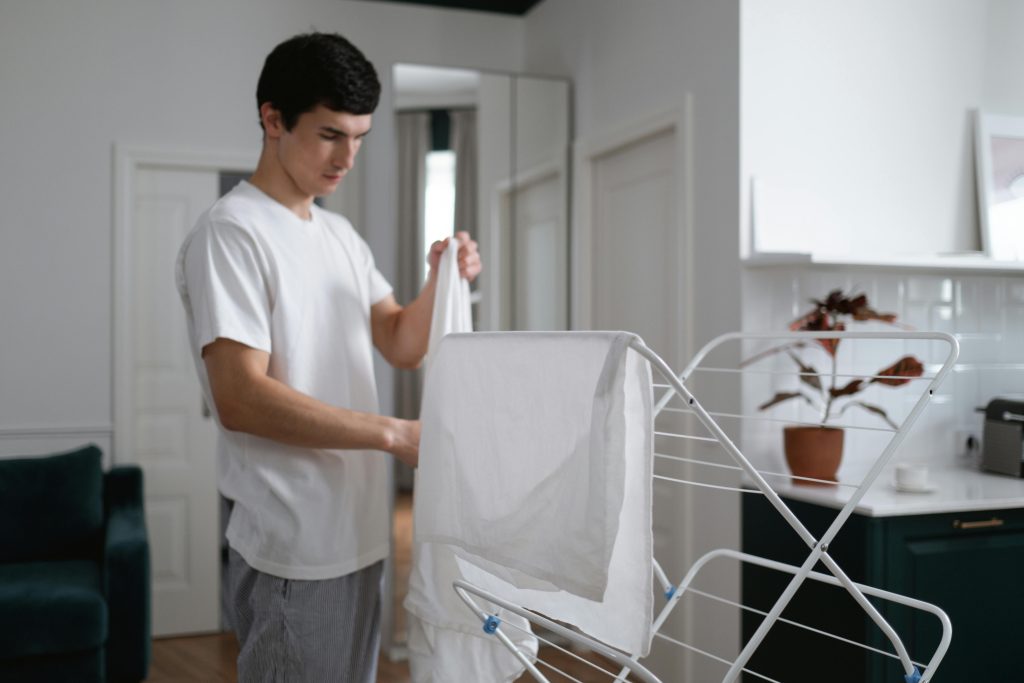
    How you do your laundry impacts how much water and energy you use. Energy experts usually suggest washing full loads, using cold or cool water, and hanging clothes to dry whenever you can. You can save on resources with these options, and they won’t significantly change how you normally do laundry.

    And people who really know about clothes (textile care specialists) say washing more gently will make your clothing last for a longer time. This is important because if you don’t need to replace clothes as often, you’ll ultimately create less waste.

    Sustainable home habits that reduce energy use by air drying clothes indoors
    Credit: cottonbro studio / pexels

    7. Keep cleaning routines simple and low-waste

    Lots of ways to be more environmentally friendly at home are most effective when they don’t make your cleaning harder. Switching to bottles you can fill up, using cloths you wash, and being careful about how much cleaning product you actually use all mean less packaging and you won’t use as much stuff.

    In fact, cleaners generally say that piling on more product won’t necessarily get things cleaner. Instead, a straightforward, regular cleaning schedule is better for you and for reducing how much gets thrown away.

    8. Make small outdoor choices count

    What you do with the space around your house has a big effect on how sustainable your home is. Using plants that are originally from the area, watering at the best times of day, and applying mulch to your garden will all use less water. Outside lights ought to be on only when you actually require them, particularly if you’re looking to save energy.

    Experts in land and water management say that your garden and yard can help with sustainability by decreasing the amount of water that flows away as runoff, improving the condition of the soil, and easing the strain on your town or city’s water supply.

    9. Build habits around maintenance

    Looking after your home in a basic way helps it work better. You can make things last longer and waste less energy by cleaning the air vents, looking at the seals around windows and doors, changing old, drafty weather stripping, and making sure your appliances are okay.

    Home system professionals generally say to focus on stopping things going wrong in the first place, as when equipment is broken or hasn’t been cared for, it will likely use up a lot more energy, and you won’t realize anything is wrong right away.

    10. Focus on progress that lasts

    The best eco-friendly things to do at home are the ones your family can actually continue doing. People who know a lot about lessening waste generally say to begin with three or four things you do regularly, and then add more later. This builds a pattern that is manageable, not overly difficult.

    And a home that’s trying to be sustainable doesn’t have to be flawless. In fact, it’s more successful when the habits fit the house, how much money is available, and the needs of everyone in the family.

    Frequently Asked Questions

    Q: What are the easiest sustainable home habits to start first?
    A: Reusable bags, full laundry loads, shorter showers, and better food storage are among the easiest habits to begin with.

    Q: Do sustainable home habits actually save money?
    A: Many do. Lower energy use, less food waste, and reduced water waste can help cut regular household costs.

    Q: Is an eco-friendly home routine expensive?
    A: Not always. Many of the most effective changes involve using less, wasting less, and maintaining what is already in the home.

    Key Takeaway

    Sustainable home habits work best when they are simple, repeatable, and practical. Kitchens, laundry areas, water use, and household maintenance all offer easy ways to reduce waste and save resources. Experts often recommend starting small and building routines that fit normal life. Over time, sustainable home habits can support both lower costs and a lower environmental impact.

    [INTERNAL LINKING SUGGESTIONS]
    – Common Home Energy Mistakes That Waste Electricity
    – How to Reduce Food Waste Without Complicated Meal Plans
    – Water-Saving Habits That Work in Small Households

  • 8 Recycling Myths That Make Household Waste Harder to Manage

    8 Recycling Myths That Make Household Waste Harder to Manage

    Lots of things people believe about recycling aren’t actually true, and while they don’t seem to be a big deal, they can actually reduce how well recycling works in your town. If people aren’t sure what can go in the recycling bin, more of the recycling gets messed up with things that shouldn’t be there and then more of it gets thrown out at the recycling facility.

    People who work in trash and recycling, city recycling leaders, and people who study ‘stuff going round and round’ (the circular economy) all say recycling is most successful when everyone at home follows the simple recycling directions for their area. Simply wanting to recycle isn’t enough to avoid contamination or pointless work, so having accurate details is important.

    Recycling myths often begin with oversimplified advice

    Lots of things people believe about recycling aren’t actually true, and while they don’t seem to be a big deal, they can actually reduce how well recycling works in your town. If people aren’t sure what can go in the recycling bin, more of the recycling gets messed up with things that shouldn’t be there and then more of it gets thrown out at the recycling facility.

    People who work in trash and recycling, city recycling leaders, and people who study ‘stuff going round and round’ (the circular economy) all say recycling is most successful when everyone at home follows the simple recycling directions for their area. Simply wanting to recycle isn’t enough to avoid contamination or pointless work, so having accurate details is important.

    Myth 1: Every plastic item belongs in recycling

    This is one of the most common recycling myths. Plastic packaging comes in many forms, and local systems may only accept certain types. Flexible wraps, black plastic, foam containers, and mixed-material packaging are often harder to recycle.

    Waste sorting teams say that placing the wrong plastic in the bin can slow processing and increase contamination. Households usually get better results by checking local guidance rather than assuming all plastic is accepted.

    Myth 2: Dirty containers are fine because machines will clean them

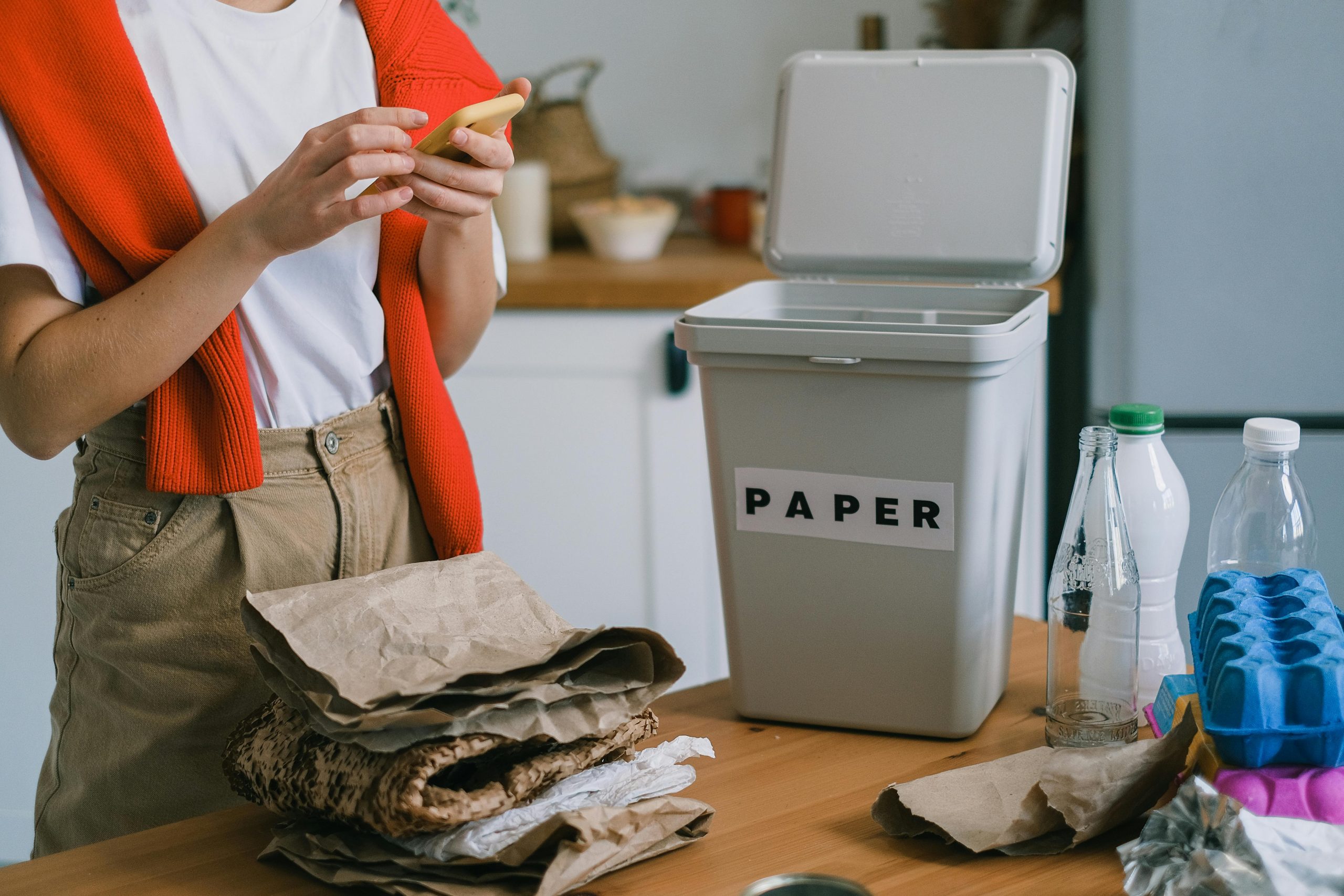
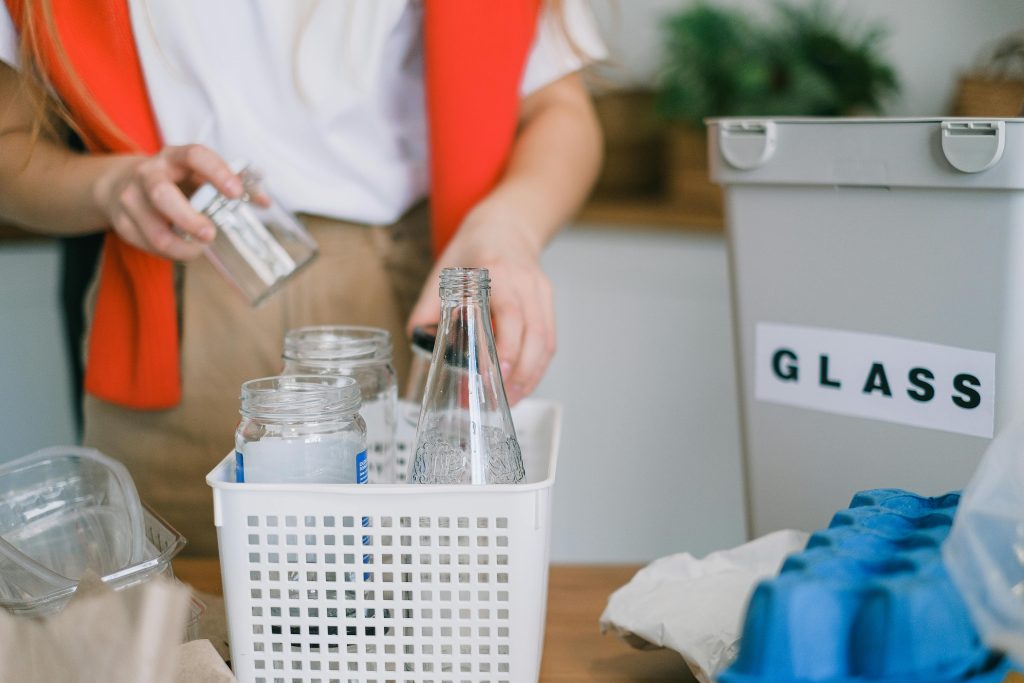
    Your containers don’t have to be perfectly clean, but they do need to be empty and fairly tidy. Food stuck to paper or cardboard makes those things much harder to recycle, and it’s a magnet for bugs when they are being collected and kept before recycling. In fact, lots of recycling gets thrown out because of stuff that shouldn’t be in it. Usually a fast wash is all that’s required. Most of the people who know about this recommend getting rid of any remaining food or liquids, instead of putting really dirty containers with the recycling.

    Reducing recycling contamination by rinsing a food container before recycling
    Credit: SHVETS production/ pexels

    Myth 3: Small items are easy to recycle

    Tiny items such as bottle caps, shredded paper, and very small plastic pieces may fall through sorting machinery. Even if the material itself seems recyclable, the size can make recovery difficult.

    Materials recovery specialists often recommend checking local rules for caps, lids, and small metal pieces. In many systems, size matters nearly as much as material type.

    Myth 4: If something has a recycling symbol, it will be recycled

    The recycling symbol often causes confusion. It may identify a material type, not guarantee local recyclability. This is one of the most misleading recycling myths because it creates false confidence.

    Packaging experts explain that labels can refer to resin types or general material categories. The real question is whether the local system accepts and processes that item. The symbol alone is not enough.

    Myth 5: Wish-cycling helps

    Wish-cycling happens when people place doubtful items in the bin and hope they can be recycled. This usually makes sorting harder. Contaminated loads may cost more to handle and can lower the value of collected materials.

    Municipal waste programs often advise households to leave uncertain items out unless local guidance clearly says yes. In most cases, accurate sorting helps more than hopeful guessing.

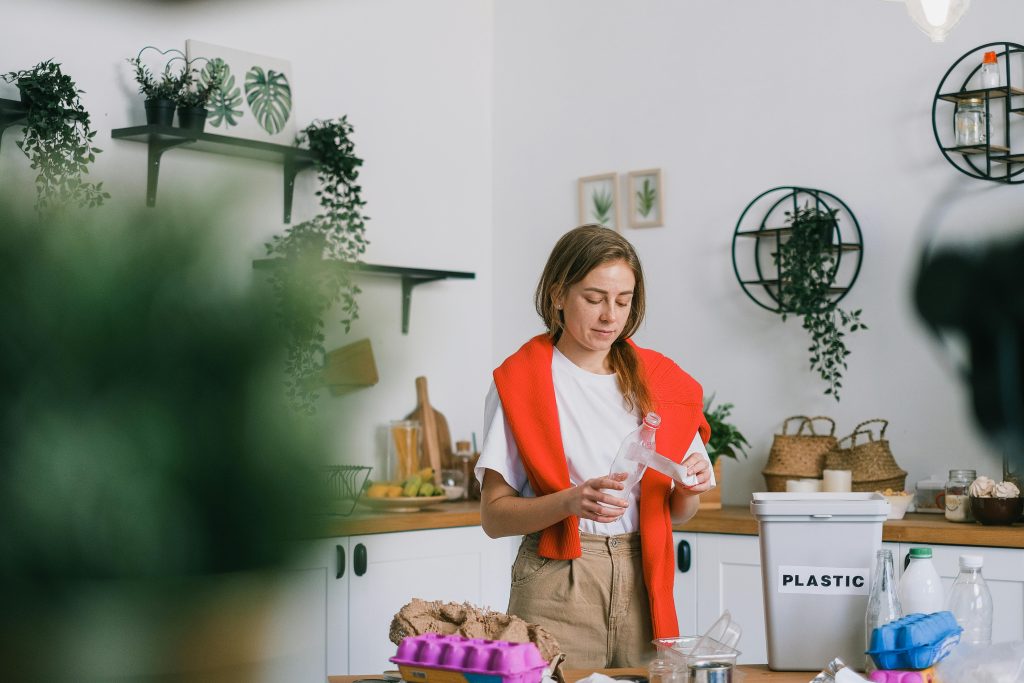
    Myth 6: Recycling matters more than reducing waste

    Recycling is useful, but circular economy basics start higher up the chain. Reduce and reuse often have a bigger effect because they avoid waste before it exists. Refillable containers, longer product life, and repair habits lower material demand at the start.

    Circular systems experts often explain that recycling should be one part of a wider strategy. Households create better outcomes when they buy thoughtfully, use items longer, and recycle only what local systems can manage well.

    Circular economy basics shown through reusable household items that reduce waste

    Credit: SHVETS production/ pexels

    Myth 7: Paper and cardboard are always safe to recycle

    Paper and cardboard are often accepted, but not when they are soaked with food, grease, or other contamination. Pizza boxes, greasy wrappers, and wet paper products may not be suitable for standard recycling streams.

    Fiber recovery experts say clean, dry paper has the best chance of being turned into new products. Once fiber is heavily contaminated, quality drops and recovery becomes harder.

    Myth 8: One household does not make a difference

    It’s easy to get out of good routines, yet how well your local recycling works relies on lots of people doing a few things right. If a lot of homes carefully separate their recycling, then there’s less stuff that shouldn’t be there and it’s much quicker to deal with.

    People who work in reducing waste are always telling us that doing things the same way every day is what’s important. One recycling container doesn’t hold much, but when everyone in the area does this over and over, the whole system gets a good outcome.

    Frequently Asked Questions

    Q: What is wish-cycling?
    A: Wish-cycling means putting doubtful items into recycling and hoping they can be processed. It often increases contamination and makes sorting harder.

    Q: Why are dirty containers a problem for recycling?
    A: Food and liquid residue can damage nearby paper or cardboard and reduce the quality of collected materials.

    Q: Are recycling rules the same everywhere?
    A: No. Local recycling programs vary based on equipment, contracts, and material markets, so households should always follow area-specific guidance.

    Key Takeaway

    When people believe things that aren’t true about recycling, it often means things get mixed with recyclables that shouldn’t be there, people aren’t sure what to do, and all the recycling attempts are for nothing. Recycling works much better if you’re careful about separating things, the materials are clean, and you don’t put things in the bin hoping they’ll be recycled (that’s “wish-cycling”). And those in the know point out that cutting down on how much we use and finding new ways to use things are equally important for solving the problem. Knowing what’s incorrect about recycling means people at home can be far more correct, and need to do a lot less estimating, with their trash.

    [INTERNAL LINKING SUGGESTIONS]
    – What the Circular Economy Means for Everyday Households
    – Composting Basics for Food Scraps and Yard Waste
    – How to Reduce Single-Use Packaging at Home

  • How Battery Storage Helps Clean Energy Work More Reliably

    How Battery Storage Helps Clean Energy Work More Reliably

    Because more and more towns and cities are getting their electricity from solar and wind, storing that energy in batteries is now a really big deal. We can certainly make lots of renewable power, but it isn’t consistently produced exactly when we require it.

    Those who study energy, plan the electricity grid, and investigate new clean tech say storage is the way to get the amount of power available to fit with how much people are using. This gives renewable energy a lot more give, and stops energy from being lost when there’s more of it than is currently needed.

    Why battery storage for clean energy matters

    When the sun is out, solar panels make electricity and wind turbines need windy weather to work. As a result, how much power they generate will change throughout the day. Batteries are useful because they hold onto electricity when there’s plenty of it, and then give it back when we need more.

    People who work on keeping the power grid running steadily always say that the system must have a matching amount of supply and demand at every moment. We’ll have blackouts if there isn’t enough electricity, and some energy might be wasted or shut down if a lot of it all arrives at once and isn’t immediately used. Storage systems help to lessen these sudden changes.

    How battery storage works in simple terms

    Battery systems gather electricity and save it for when you need it. Then, if your house, a company, or the whole electrical grid requires more energy, that electricity is given out. Because of this, batteries are frequently called a way to connect creating clean power with actually using it.

    Experts in the field point out that battery sizes and what they’re for aren’t identical. Some will only power a single structure, whereas others are for the entire grid. However, the core concept is consistent: put energy in reserve during times of plenty, and employ it during times when it’s needed most.

    Home battery storage for clean energy connected to rooftop solar panels
    Credit: Kindel Media / pexels

    Battery storage for clean energy supports grid reliability

    Because of how our electricity use goes up and down throughout the day as we get up, prepare food, cool our homes, and power our phones, and because what renewable sources actually produce doesn’t always match this, having storage is really important for a steady electricity grid. It smooths out the difference.

    When demand for electricity suddenly increases, or if the amount of electricity being made falls, companies running the power lines frequently use batteries to respond almost instantly. Batteries are a lot quicker to kick in than older types of systems and are therefore very good for very short-term balancing of the grid and keeping the frequency of the power steady.

    And in certain places, storage provides emergency power if the electricity goes out or there are problems with the local supply. This is particularly valuable in areas that have a lot of hot weather, bad storms, or pressure on the grid because of wildfires.

    How storage helps solar and wind power grow

    Solar and wind energy frequently produce the most power at times that don’t perfectly coincide with when we use the most electricity. Solar, for instance, is at its best around lunchtime, yet most homes need power later on in the evening. Renewable energy storage can move some of that energy to a time when it’s more applicable.

    Researchers in the field of clean energy will say this doesn’t fix everything, however it does make things much more adaptable. A system’s ability to hold onto extra renewable energy makes depending on environmentally friendly electricity for a larger portion of the day significantly simpler.

    Limits and challenges still exist

    Having batteries to store clean energy is helpful, but it won’t solve all our electricity problems. The price of batteries, how much of the materials to make them we have, how long they last, and how to reuse them when they’re finished are all still important things to consider. And with very long-lasting storage, most of the ways to do it are still getting better.

    What people who design and think about eco-friendly energy, like engineers and sustainability specialists, frequently say is that clean energy systems are at their best when using lots of different methods. Energy storage, improvements to the electrical grid, controlling how much power people use, and using less energy in the first place are all necessary. Actually, careful planning is just as crucial as the latest equipment.

    Battery storage for clean energy supporting wind power and grid reliability
    Credit: Enrique / pexels

    What experts expect in the years ahead

    People who plan for our energy future believe we’ll continue to need a lot more energy storage for our electricity – it’s important for making sure the power stays on and for helping us use more environmentally friendly energy. With more and more power coming from renewable sources, it gets trickier to have power when you want it and to have a system that isn’t overloaded.

    Those who work with green technologies think storage will improve thanks to better computer programs, a more tightly connected national power grid and batteries that are built in a better way. However, most people in the business don’t think storage will solve the whole problem of changing how we get energy, it’s going to be a piece of a much larger shift.

    Frequently Asked Questions

    Q: What is battery storage for clean energy?
    A: It is a system that stores electricity from sources like solar and wind so it can be used later when demand is higher or generation is lower.

    Q: Why is renewable energy storage important?
    A: Renewable energy storage helps balance changing supply and demand, improves grid reliability, and makes better use of clean electricity.

    Q: Does battery storage replace the power grid?
    A: No. It supports the grid by improving flexibility and stability, but it works best as part of a broader energy system.

    Q: Can storage help during outages?
    A: In some cases, yes. Certain systems can provide backup support during local power disruptions, depending on design and connection.

    Key Takeaway

    When lots of clean, renewable energy is being generated, battery storage lets power systems keep that electricity for using when people need more of it. This makes the electricity grid more dependable, gets more from your solar panels or wind turbines, and stops a lot of energy from being thrown away. Many in the field think of storage as a key part of getting to cleaner energy, though not the only thing we’ll need. Getting a sense of how battery storage works with clean energy explains its usefulness at both individual homes and across the entire power network.

    [INTERNAL LINKING SUGGESTIONS]
    – How Smart Grids Help Balance Renewable Power
    – What Solar Energy Can and Cannot Do on Cloudy Days
    – Why Energy Efficiency Still Matters in a Clean Power Future

  • 9 Ways Healthy Forests Protect Wildlife, Water, and Local Communities

    9 Ways Healthy Forests Protect Wildlife, Water, and Local Communities

    Forests that are in good health are about much more than just being pretty to look at or places to go for fun. They are home to animals, safeguard our water supplies, act as a reservoir for carbon, and are a great help to towns and cities close by in dealing with hot temperatures, flooding and eroding earth.

    Experts in forest health, water management and the variety of life, often talk about forests as being all linked together as one, rather than just collections of trees. And if a forest has a lot of different life in it and is doing well, the good effects of that are found well past the edge of the trees themselves.

    1. Healthy forests provide habitat for many species

    Forests are home to birds, insects, mammals, reptiles, fungi and a huge number of tiny creatures, and all of them rely on the forest’s many levels. The tops of the trees, the fallen leaves, the roots below ground, and decaying wood are all important. Various animals use different areas of the forest at different times of the day or year.

    Looking after all the different kinds of life in a forest isn’t just about the number of trees. Importantly, how old the trees are, how many different types of plants are growing, and how long a habitat has been around all influence how much life the forest can hold.

    2. Healthy forests help protect clean water

    Because of their roots, soil is better at soaking up rain, which means less water washes off the land and a more consistent flow of water into streams and rivers. Also, forests act as a natural cleaning system, removing particles and contaminants from the water before it gets to rivers and streams.

    When forests aren’t broken up, the watershed (all the land draining to a certain point) is healthier; there’s less erosion, and the way water travels is more predictable. This is really important for animals, people, and towns further down the river.

    3. They reduce soil erosion

    Roots from trees keep the soil from moving, and leaves and things growing on the ground soften how hard the rain hits. If we didn’t have that to shield it, the rain would wash the soil away much faster in a big storm.

    People who are in charge of looking after the land will tell you erosion is bad for both natural environments and things we’ve built. Specifically, it hurts farms, blocks rivers and streams, and makes flooding more likely.

    Healthy forests protecting soil and reducing erosion on a wet hillside

    Credit: Doan Phuong / Pexels

    4. Healthy forests can lower local heat

    Trees offer shade and put water vapor into the air, and this actually lowers temperatures in the immediate area. Around towns and cities, places with lots of trees are generally cooler than places covered with concrete or where all the trees have been cut down.

    People who work on adjusting to a changing climate frequently emphasize that having enough trees is an easy, yet vital step in lessening the effect of extreme heat. And staying cooler at a local level is important for people, animals, and the health of our streams, lakes and other waterways.

    5. They help store carbon over time

    Forests that are in good shape actually keep carbon inside the trees themselves (in their trunks and branches), in the roots, and in the ground. Because of this, and because well-established forests exist for ages, they are a big factor in how we plan to protect the environment – they can lock up lots of carbon for a very long time.

    However, scientists are quick to point out that the amount of carbon they hold depends on the forests being healthy. If they’re harmed by things like wildfires, insects, or if the land is cleared, that long-term advantage is lessened.

    6. Forests can reduce flood pressure

    While forests cannot stop all floods, they can help slow runoff and increase water absorption. This can lower sudden pressure on nearby streams after rainfall.

    Hydrology experts note that intact land cover matters most when paired with broader watershed planning. Healthy forests are one useful layer of flood resilience.

    7. Healthy forests support pollinators and food webs

    Lots of creatures that pollinate (things like bees and butterflies) need the edges of forests, flowers, and places where nature is left alone. These insects, in turn, provide food for birds and other animals further up the food chain. Because of this, forests are valuable for much more than just the land they actually cover.

    Ecologists will tell you that even little gaps in where things can live can change how food moves through an ecosystem. And a forest that stretches on and on, with lots of different species in it, is generally one that works in a healthier, more robust way.

    Healthy forests supporting biodiversity protection through pollinators and bird habitat

    Credit: Kiril Gruev  / Pexels

    8. They help communities through recreation and recovery

    Forests let us go for walks, learn things in the open air, support local trips and holidays, and really calm our minds. People who work for the government managing public land frequently point out that having parks and woodland around enhances how people live in towns and cities close by.

    You get the most from these good things when forests are looked after to keep animals and plants safe, but with a sensible amount of public access. It’s all about finding the right equilibrium.

    9. Forest health supports long-term environmental stability

    Forests in good shape are linked to our water supply, the animals that live in them, the earth beneath the trees, the weather, and how people do. If one aspect of a forest starts to suffer, other things get harder on it too. Because of this, protecting forests is frequently included in much larger plans for living sustainably.

    Most people who study the environment would say that having good, robust forests isn’t simply about preserving them. It’s about how well they can bounce back, keeping people in the surrounding areas safe, and the health of the whole natural environment over many years.

    Frequently Asked Questions

    Q: Why are healthy forests important for wildlife?
    A: They provide shelter, food, nesting areas, and connected habitat for many species across the food web.

    Q: How do forests protect water quality?
    A: Forest soils and roots help absorb rainfall, reduce erosion, and filter runoff before it reaches streams and rivers.

    Q: Can healthy forests reduce climate risk?
    A: They can help store carbon, lower local heat, and reduce some flood pressure, although they work best as part of broader environmental planning.

    Key Takeaway

    When forests are in good shape, they’re home to animals, provide us with pure water, make areas around them less hot, and create hardier environments overall. They safeguard the earth beneath our feet, hold a lot of carbon, and are useful to towns and people living near them. People who know about these things think of looking after forests as being good for the environment and for people. Appreciating all that healthy forests do makes it clear they’re important for much more than just the trees themselves.

    [INTERNAL LINKING SUGGESTIONS]
    – Why Wetlands Matter for Flood Protection and Wildlife
    – How Coastal Ecosystems Protect Marine Biodiversity
    – What Causes Habitat Fragmentation in Natural Landscapes

  • Why Food Waste Matters More Than Many Households Realize

    Why Food Waste Matters More Than Many Households Realize

    It’s not immediately apparent why chucking food is a problem. Usually food gets thrown away gradually, with a bit of this from a plate, some overlooked veggies, out-of-date milk, or food you bought without thinking about what you’d actually make. But when you add all that up, it affects how much money you have, how much water we use, how much land is needed for farming, and the overall health of the environment.

    When people who study food, those who work on lessening waste, and experts in farming discuss food waste, they’re quick to say it isn’t simply about getting rid of the stuff. It represents all the energy, water, work and moving around of food that happens before it even gets to your kitchen.

    Why food waste matters for household budgets

    Food waste is a problem for a really basic reason: it’s about how much money you have. That bag of salad you didn’t use, the bread that’s gone hard, or that container at the back of the fridge you forgot about? You’ve spent money on all of them and aren’t getting anything for it.

    Financial experts will tell you that it’s easy to overlook little amounts of money disappearing, but if you throw things away every week, it adds up to a large expense over a year. If families actually list what they’re wasting, they generally find that they buy too many vegetables and fruit, make more food than they can eat, or don’t remember what they already have put away.

    Why food waste matters for land and water resources

    Making food requires land to grow on, water to help it grow, fuel for machinery, somewhere to keep it, and people to work on it. So when we toss food in the bin, a lot of those things are wasted too. Foods that need lots of water to make, particularly fruits, vegetables and things from animals, actually have a much bigger impact on our resources.

    Those who know about farming are usually emphatic about the fact that eating food wisely, and not just getting better food, is the first step to being able to continue to have food. If we waste less, we will get more from the land, the water and all the work that goes into growing food, from beginning to end.

    Household food waste also adds pressure after disposal

    Just because food is thrown away doesn’t mean that’s the end of it. Getting it from your place to a landfill, and then dealing with it there, all uses up more stuff. And at the landfill, food that’s rotting, especially if the landfill isn’t run well, can give off dangerous gases.

    People who work in trash and recycling say it’s generally much better to stop food from being wasted in the first place. You get the best outcome by not creating the waste to begin with.

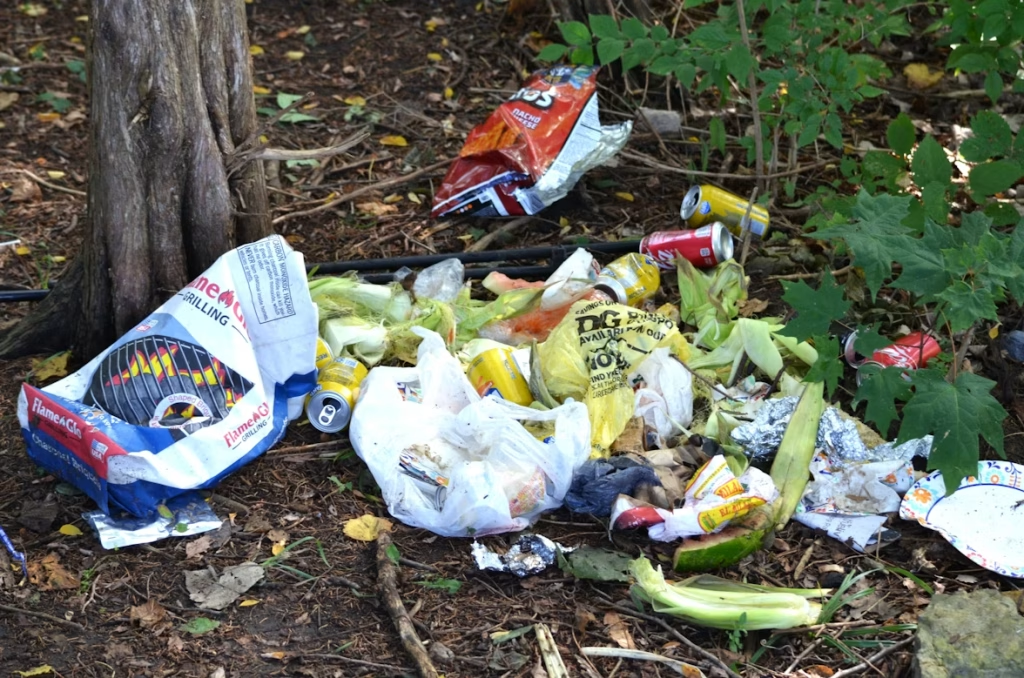
    Why food waste matters when household food waste ends up in trash instead of being managed better
    Credit: Roger Starnes Sr / unsplash.com

    Why food waste matters in a time of rising food costs

    Because of problems with the climate, getting food around, and interruptions to how food is made and delivered, food prices change rapidly. This makes the amount of food we throw away at home even more of a big deal. People are commonly squeezed by increasing costs for groceries and simultaneously end up with food going bad due to not planning well or storing it properly.

    Those who study how we buy things generally suggest keeping track of what you have, shopping for groceries more frequently and in smaller amounts, and keeping food in places where you can actually see it. Doing these things will help you use the food you have on hand before you go out and buy more.

    What causes most household food waste

    We throw food away for a lot of the same reasons: getting too much at the store, not knowing what to make for meals, being unsure of what the dates on the packaging mean, not keeping it properly, and making or serving too much at once. Fruit and vegetables are often binned as they go off quickly when we don’t use them promptly. And we have food that’s already been cooked left to go to waste because we don’t find a way to use the leftovers before they are too old.

    Food safety people will tell you “best by” dates are generally not what people think. Those dates are more about how good the food is, not if it’s safe to eat. But even with that, you should still use your own sense, store food the right way, and follow any advice about food safety in your area.

    How experts recommend reducing waste at home

    Most of the time, professionals recommend building consistent routines, as opposed to following really strict rules. You can cut down on wasted food pretty fast by planning your meals with what you’ve already got, keeping fruits and vegetables in the way they should be stored, putting leftover portions in the freezer, and prioritizing things that are getting on in years.

    Being able to see what you have is a big help. With clear containers and having leftovers at the front, you’re more likely to remember about the food. Plus, for many families, building one meal a week around foods about to expire is a good idea.

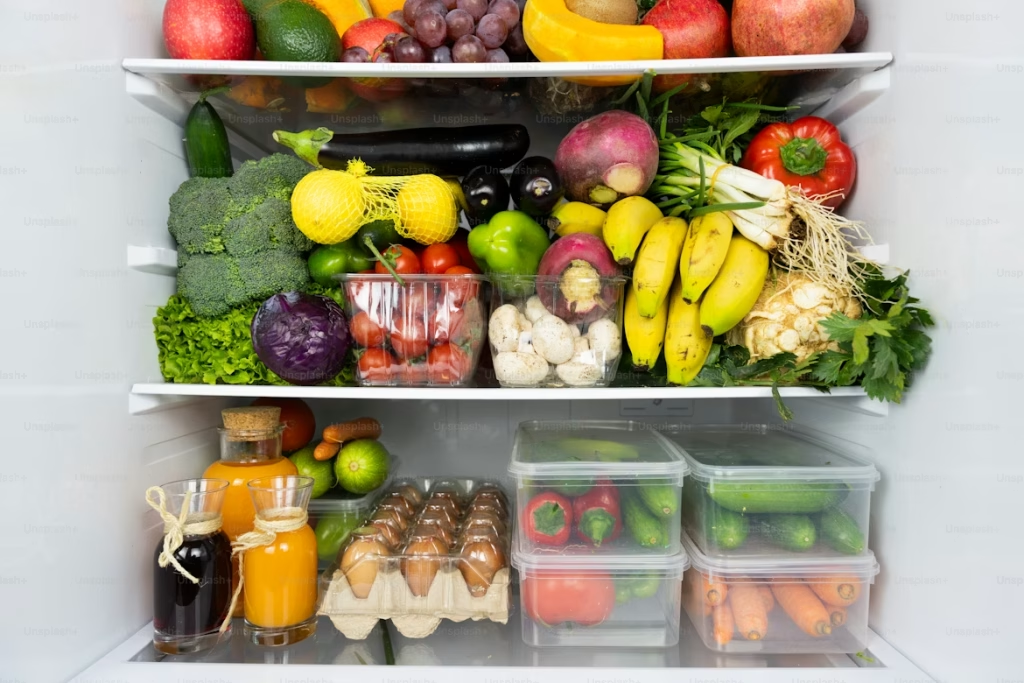
    Reduce food waste at home with organized leftovers and clear storage in the refrigerator
    Credit: Yunus Tuğ / Unsplash.com

    Why food waste matters beyond the kitchen

    We usually think of throwing away food as something we do at home, but it’s really a sign of how we all buy and use things. If we plan our meals better, store food correctly, and don’t serve ourselves too much, then eventually there will be less strain on where our food comes from and on the earth’s resources.

    You don’t have to be perfect to be a more sustainable consumer. In fact, being sustainable is most effective when families steadily choose options that cut down on food being wasted, all while still having meals that are easy to manage and don’t cost the earth.

    Frequently Asked Questions

    Q: Why does food waste matter for the environment?
    A: It wastes the land, water, energy, and labor used to produce food, and it can add disposal-related emissions when thrown away.

    Q: What foods are most often wasted at home?
    A: Fresh produce, leftovers, bread, dairy, and prepared meals are commonly wasted because they spoil quickly or get forgotten.

    Q: How can households reduce food waste at home?
    A: Meal planning, better storage, smaller purchases, freezing extras, and using older items first can make a big difference.

    Q: Are date labels the main reason food gets wasted?
    A: They are one reason, but overbuying, poor visibility, and weak storage habits also play a major role in household food waste.

    Key Takeaway

    It’s pretty easy to see why wasting food is a problem if you think about how much it affects your budget, how much water it takes to grow, the amount of land used for it, and what happens when you throw it away. Those little bits of food we lose each day really add up to a big issue for both the environment and our wallets. Luckily, specialists suggest easy fixes like planning meals, storing food correctly, and being able to actually see what you have. And knowing all of this about food waste makes it easier for families to throw away less, and it won’t even complicate things much in your daily routine.

    [INTERNAL LINKING SUGGESTIONS]
    – Simple Meal Planning Habits That Cut Grocery Waste
    – How Seasonal Eating Supports Sustainable Consumption
    – Composting Basics for Kitchen Scraps at Home